
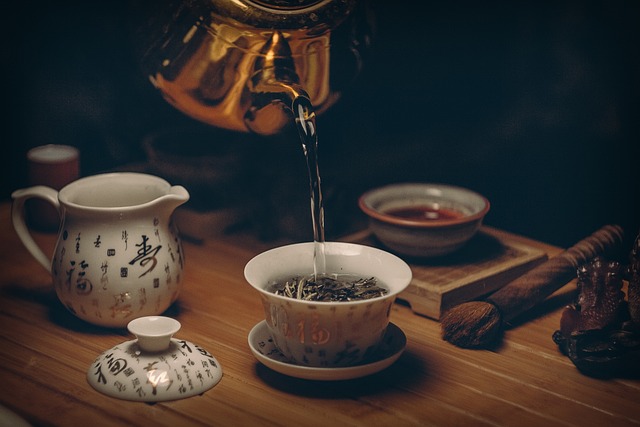
Green Tea: A Powerful Belly Fat Burner
Green tea has gained popularity as a powerful belly fat burner due to its high content of antioxidants called catechins. These catechins have been found to increase the body’s metabolism, leading to greater calorie burn and ultimately aiding in weight loss. Additionally, green tea contains caffeine, which further enhances fat oxidation and promotes the release of stored fat cells for energy.
Several studies have shown that regularly consuming green tea can lead to a reduction in waist circumference and abdominal fat. One study found that individuals who drank green tea and exercised regularly experienced a significant decrease in body weight, body mass index (BMI), and waist circumference compared to those who did not consume green tea. Another study found that green tea extract supplementation led to a decrease in body fat percentage and belly fat in overweight and obese individuals. Overall, incorporating green tea into a balanced diet and active lifestyle may be an effective strategy for targeting stubborn belly fat.
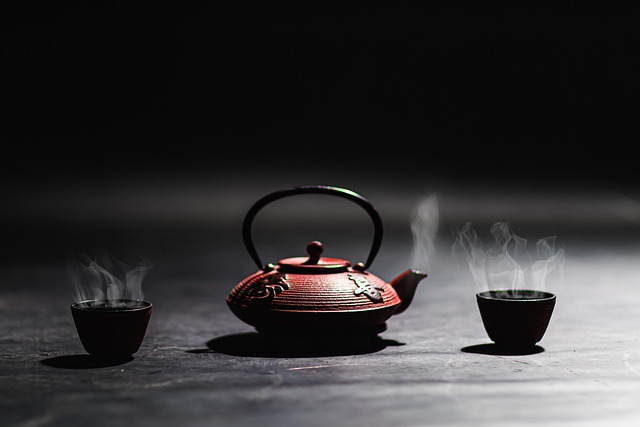
Oolong Tea: Boosting Metabolism for Fat Loss
Oolong tea is widely recognized for its ability to boost metabolism and promote fat loss. This traditional Chinese tea is partially oxidized, giving it a unique combination of rich flavors and health benefits. When consumed regularly, oolong tea can help increase the metabolic rate, thereby enhancing the body’s ability to burn calories and fat.
One of the key components in oolong tea that contributes to its metabolism-boosting effects is catechin. Catechins are a type of antioxidant that can help increase the breakdown of stored fat in the body, leading to weight loss. Moreover, oolong tea contains caffeine, which can further stimulate metabolism and increase energy expenditure. By incorporating oolong tea into a balanced diet and exercise routine, individuals may experience improved fat loss and weight management.
Pu-erh Tea: A Natural Remedy for Stubborn Belly Fat
Pu-erh tea, with its deep, earthy flavor, has long been hailed as a natural remedy for stubborn belly fat. This traditional Chinese tea is made from the leaves of the Camellia sinensis plant, which undergo a unique fermentation process. The result is a rich and distinct brew that not only satisfies the taste buds but also works wonders for weight loss.
One of the key reasons why pu-erh tea is effective in targeting belly fat is its ability to enhance digestion and support healthy metabolism. The tea contains compounds called polyphenols, which are known to boost the breakdown of fats and aid in their elimination from the body. Regular consumption of pu-erh tea can help reduce the accumulation of visceral fat, the type of fat that is stored deep within the abdominal cavity and is linked to various health issues. Additionally, the tea’s natural caffeine content provides a gentle energy boost, increasing calorie expenditure and further aiding in the reduction of belly fat.
White Tea: A Gentle Fat Burner with Multiple Health Benefits
White tea is not only a delicious and soothing beverage but also a gentle fat burner with multiple health benefits. This type of tea is a popular choice for those looking to shed a few pounds as it contains compounds that can boost metabolism and aid in weight loss. Its high antioxidant content helps to eliminate harmful free radicals from the body, promoting overall health and well-being.
In addition to its fat-burning properties, white tea offers a range of other health benefits. It is known to strengthen the immune system, thanks to its rich vitamin C content. Regular consumption of white tea may also help to reduce the risk of heart disease by improving cardiovascular health. Furthermore, this gentle tea is gentle on the stomach, making it an ideal choice for those with sensitive digestive systems. Overall, white tea is a versatile and health-boosting beverage that can be included in a balanced diet for both weight management and overall wellness.
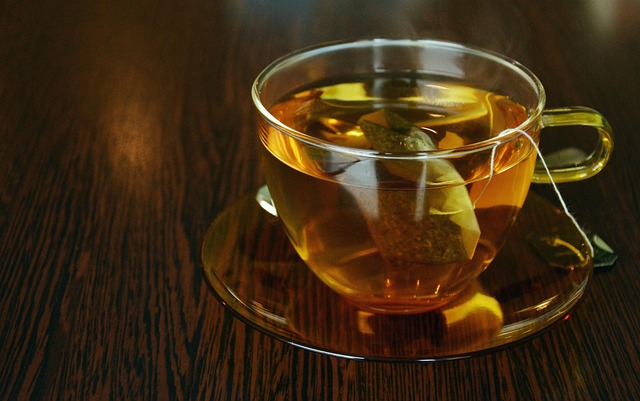
Herbal Teas: Promoting Digestion and Reducing Belly Bloating
Many people struggle with digestive issues and bloating, especially in the belly area. Fortunately, herbal teas can provide relief and help promote better digestion. These teas are made from a variety of natural ingredients, such as peppermint, chamomile, fennel, and ginger, which have been traditionally used for their digestive properties. The soothing and calming effects of herbal teas can help reduce bloating and ease discomfort, making them an excellent choice for those looking to improve their digestion and reduce belly bloat.
In addition to promoting digestion, herbal teas are also known to have diuretic properties. This means that they can help flush out excess water and toxins from the body, which can contribute to bloating. By promoting urine production, herbal teas can help alleviate water retention and reduce the appearance of a swollen belly. It is important to note that herbal teas should be consumed in moderation and as part of a balanced diet and healthy lifestyle for optimal results.
Rooibos Tea: Enhancing Fat Oxidation and Suppressing Appetite
Rooibos tea, also known as red tea, has gained popularity in recent years for its potential to enhance fat oxidation and suppress appetite. This herbal tea comes from the leaves of the Aspalathus linearis plant, native to South Africa. The oxidation process that the leaves undergo gives the tea its distinct reddish color and enhances its health benefits.
One of the main reasons why rooibos tea is believed to support weight loss is its ability to enhance fat oxidation. Research has shown that drinking rooibos tea can increase the production of an enzyme called lipase, which is responsible for breaking down stored fat. By promoting the breakdown of fat cells, rooibos tea may help to reduce overall body fat and contribute to a leaner physique.
Additionally, rooibos tea has been studied for its appetite-suppressing properties. Drinking this tea has been found to help reduce feelings of hunger and curb cravings, making it easier to stick to a healthy diet. This can be especially beneficial for individuals looking to lose weight or maintain a healthy weight. By suppressing appetite, rooibos tea may contribute to a calorie deficit, which is essential for fat loss.
In conclusion, rooibos tea offers the potential to enhance fat oxidation and suppress appetite, making it a beneficial addition to a weight loss or weight management plan. However, it is important to note that no single tea can guarantee significant weight loss on its own. Incorporating rooibos tea into a balanced diet and a regular exercise routine is key to achieving sustainable weight loss goals.
Peppermint Tea: Supporting Weight Loss by Curbing Cravings
Peppermint tea, known for its refreshing and invigorating flavor, offers more than just a delightful beverage experience. This herbal tea has been attributed to supporting weight loss by curbing cravings. The natural compounds found in peppermint, such as menthol, have been suggested to have appetite-suppressing effects, helping to reduce the urge to snack or overeat. By sipping on a warm cup of peppermint tea, you may find yourself less inclined to reach for unhealthy, calorie-laden snacks, making it a helpful addition to any weight loss journey.
In addition to its appetite-curbing properties, peppermint tea may also provide added benefits for weight management. The menthol content in peppermint has been shown to have a soothing effect on the digestive system, potentially reducing bloating and digestive discomfort. This can be particularly beneficial for those struggling with belly fat, as bloating can sometimes make the midsection appear larger than it actually is. By promoting a healthy and comfortable digestive system, peppermint tea assists in creating the optimal conditions for weight loss and a trimmer waistline.

Ginger Tea: Accelerating Metabolism and Reducing Belly Fat
Ginger tea has long been known for its ability to accelerate metabolism and promote weight loss, particularly in the belly area. This aromatic beverage is made by steeping fresh ginger root in hot water, releasing its potent compounds that have a thermogenic effect on the body. By increasing the body’s core temperature, ginger tea helps to boost metabolism, making it easier to burn calories and fat. Additionally, ginger tea contains active compounds such as gingerols and shogaols that have been shown to reduce inflammation and improve digestion, further contributing to its weight loss benefits.
Moreover, research suggests that ginger tea can specifically target stubborn belly fat. Belly fat, also known as visceral fat, is not only unsightly but also associated with an increased risk of various health conditions such as heart disease and diabetes. Ginger tea helps to shrink belly fat by increasing the body’s fat-burning capacity and reducing the production of new fat cells. Additionally, its natural compounds work to suppress appetite and curb cravings, making it an excellent choice for those looking to lose weight and achieve a slimmer waistline. Incorporating ginger tea into your daily routine may be an effective tool in your weight loss journey and help you achieve a healthier and more toned physique.
Matcha Tea: Increasing Fat Burning Potential and Weight Loss
Matcha tea, derived from the leaves of shade-grown green tea plants, has gained popularity as a potent aid in weight loss. Packed with antioxidants, matcha tea has been shown to increase fat burning potential and boost metabolism.
One of the key components in matcha tea is catechins, a type of antioxidant that has been found to have a positive impact on weight loss. Catechins help to stimulate the body’s thermogenic activity, which promotes the burning of calories and fat. Additionally, matcha tea contains an amino acid called L-theanine, which has been shown to enhance the body’s ability to burn fat for energy. These properties make matcha tea a valuable tool in achieving weight loss goals.
The benefits of matcha tea extend beyond its fat burning potential. The high concentration of antioxidants in matcha tea can support overall health and well-being. Antioxidants help to protect the body against free radicals and oxidative stress, which can lead to chronic diseases. Furthermore, matcha tea provides a sustained energy boost without the jitters often associated with caffeinated beverages, making it an excellent choice for individuals looking to lose weight without compromising their energy levels.
Cinnamon Tea: Controlling Blood Sugar Levels and Reducing Belly Fat
Cinnamon tea is a natural beverage that has gained popularity for its potential to control blood sugar levels and reduce belly fat. Studies have shown that the active compounds in cinnamon can help to regulate insulin, a hormone responsible for regulating blood sugar. By improving insulin sensitivity, cinnamon tea may assist in maintaining stable blood sugar levels throughout the day, preventing spikes and crashes that can lead to cravings and overeating.
In addition to its blood sugar benefits, cinnamon tea may also contribute to reducing belly fat. Some research suggests that cinnamon can stimulate thermogenesis, a process in which the body burns calories to produce heat. This increased calorie burning may lead to a reduction in overall body fat, including belly fat. Furthermore, cinnamon has been found to have anti-inflammatory properties, which can help to reduce inflammation in fat cells and potentially prevent weight gain.
What is cinnamon tea?
Cinnamon tea is a beverage made from the infusion of cinnamon bark or cinnamon powder in hot water.
How does cinnamon tea help in controlling blood sugar levels?
Cinnamon tea contains compounds that can enhance insulin sensitivity, improve glucose metabolism, and help regulate blood sugar levels.
Can cinnamon tea help reduce belly fat?
While cinnamon tea alone cannot directly target belly fat, it can contribute to weight loss by controlling blood sugar levels, reducing cravings, and boosting metabolism.
How often should I drink cinnamon tea to see results?
It is recommended to drink cinnamon tea daily, preferably before meals, to experience its potential benefits for blood sugar control and weight management.
Are there any side effects of consuming cinnamon tea?
Cinnamon tea is generally safe for consumption, but excessive intake may cause digestive issues or interact with certain medications. It is best to consult with a healthcare professional before consuming large amounts of cinnamon tea.
Can cinnamon tea replace diabetes medication?
Cinnamon tea should not be used as a substitute for prescribed diabetes medication. It can complement a diabetes management plan, but any changes to medication should be discussed with a healthcare professional.
Can I add sweeteners to cinnamon tea?
Adding natural sweeteners like honey or stevia in moderation is generally acceptable. However, it is important to avoid excessive sugar or artificial sweeteners, as they may counteract the potential benefits of cinnamon tea.
Is cinnamon tea suitable for everyone?
Cinnamon tea is generally safe for most people. However, individuals with certain medical conditions or allergies to cinnamon should consult with a healthcare professional before consuming cinnamon tea.
Can I drink cinnamon tea while pregnant or breastfeeding?
Pregnant or breastfeeding women should consult with their healthcare provider before consuming cinnamon tea, as high amounts of cinnamon may have potential risks during pregnancy or breastfeeding.
Can I drink cinnamon tea before bedtime?
Cinnamon tea can be consumed before bedtime as part of a healthy nighttime routine. However, be mindful of your personal tolerance as some individuals may experience indigestion or sleep disturbances after consuming cinnamon tea.


