
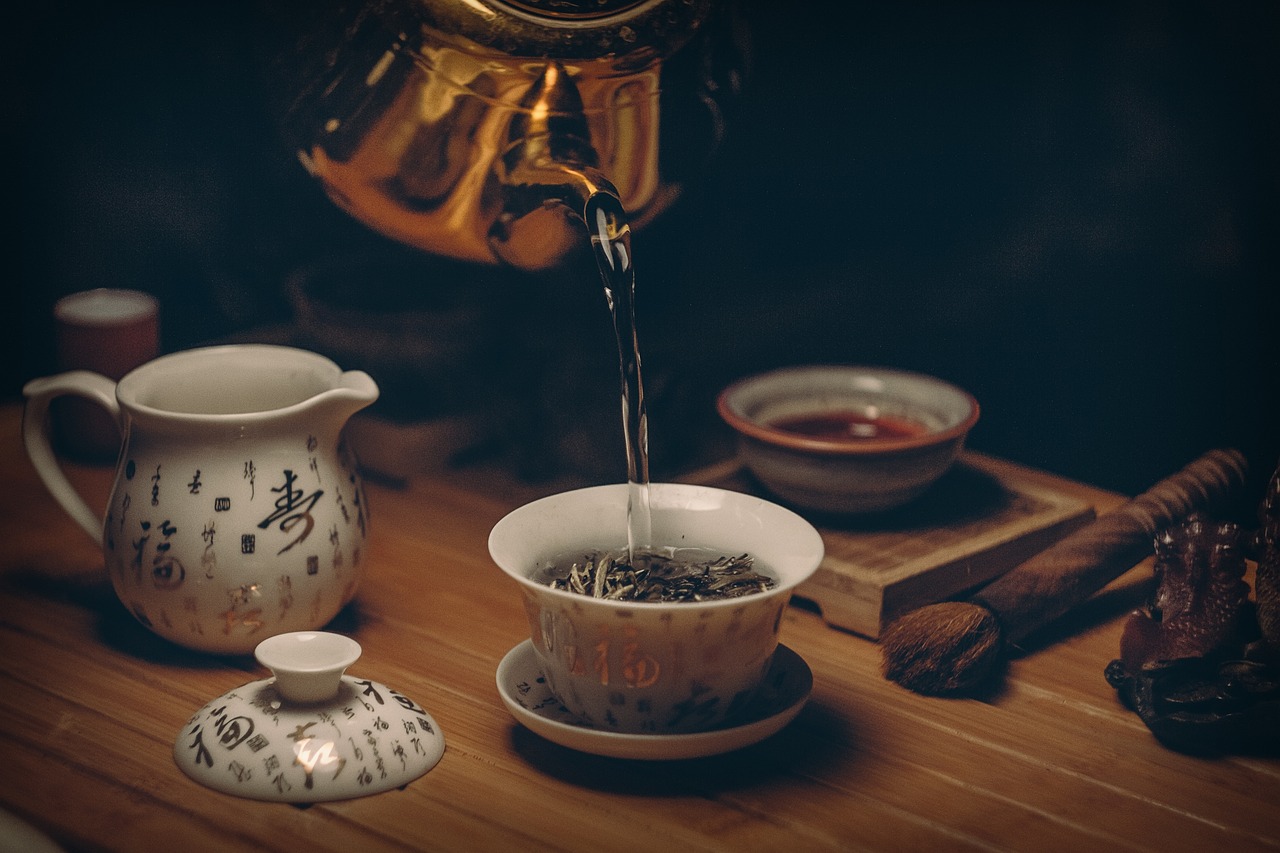
Discovering the Rich Traditions of Tea Ceremonies Globally
Tea is more than just a beverage – it’s a ritual, a meditation, and a celebration of culture. Across the globe, different societies have developed intricate tea ceremonies that reflect their values, aesthetics, and social customs. Join us on a journey to explore the fascinating world of tea ceremonies from various cultures.
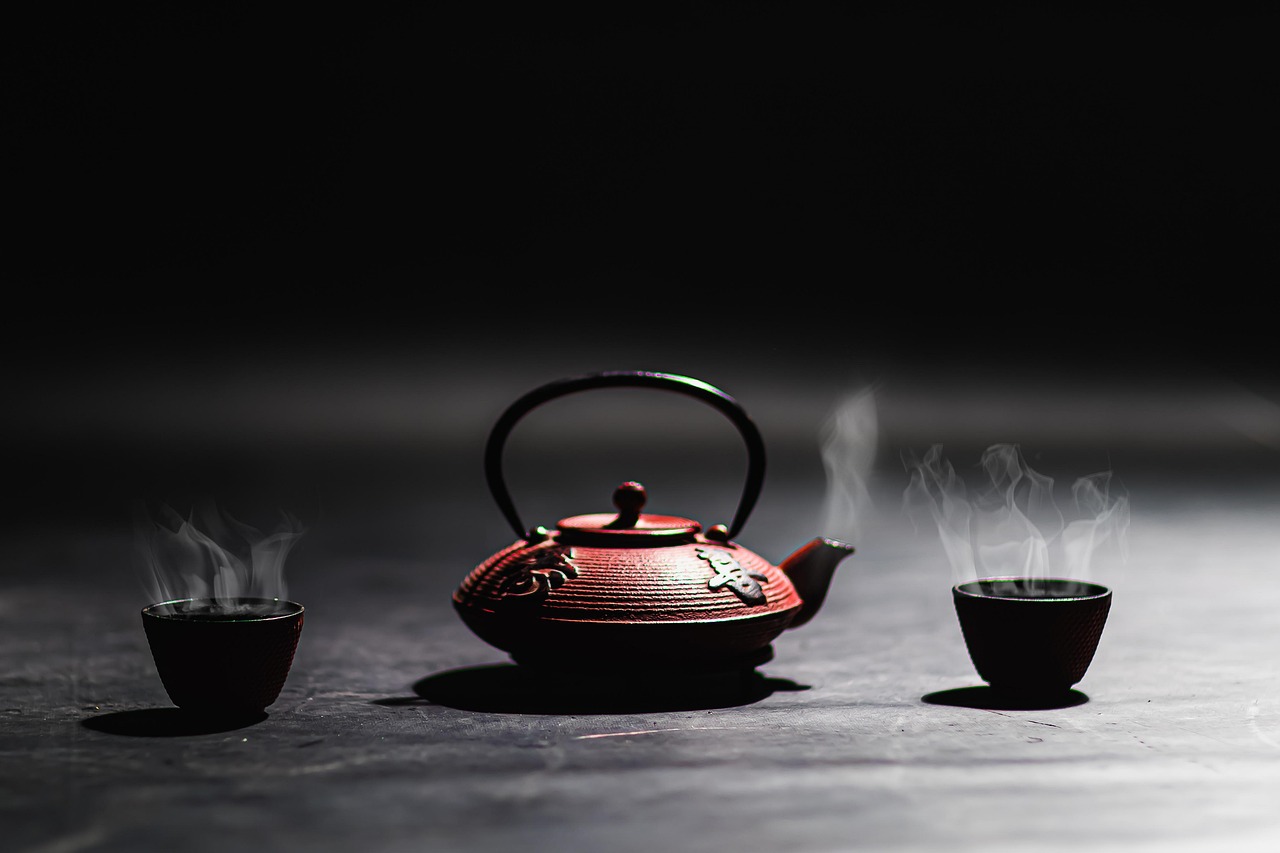
Japanese Tea Ceremony (Chanoyu)
Perhaps the most famous tea ceremony in the world, the Japanese tea ceremony is a choreographed ritual of preparing and serving matcha (powdered green tea). Rooted in Zen Buddhism, this ceremony emphasizes harmony, respect, purity, and tranquility.
Key Elements:
- Setting: Traditional tea houses with tatami mat flooring
- Tea Used: Matcha (powdered green tea)
- Duration: Can last several hours for a formal ceremony
- Purpose: Spiritual enrichment and aesthetic appreciation
- Special Features: Every movement is precisely choreographed, from the way the host handles utensils to how guests receive their tea
The ceremony follows a specific sequence: cleaning the utensils, preparing the tea, serving guests, and appreciating the moment. Each gesture carries deep meaning and demonstrates respect for the guests and the tea itself.
Chinese Gongfu Tea Ceremony
The Chinese Gongfu tea ceremony is an artful method of preparing tea that emphasizes skill and attention to detail. “Gongfu” means “making tea with skill,” and this ceremony showcases the subtle flavors of high-quality teas.
Key Elements:
- Tea Used: Typically oolong, pu-erh, or high-quality green teas
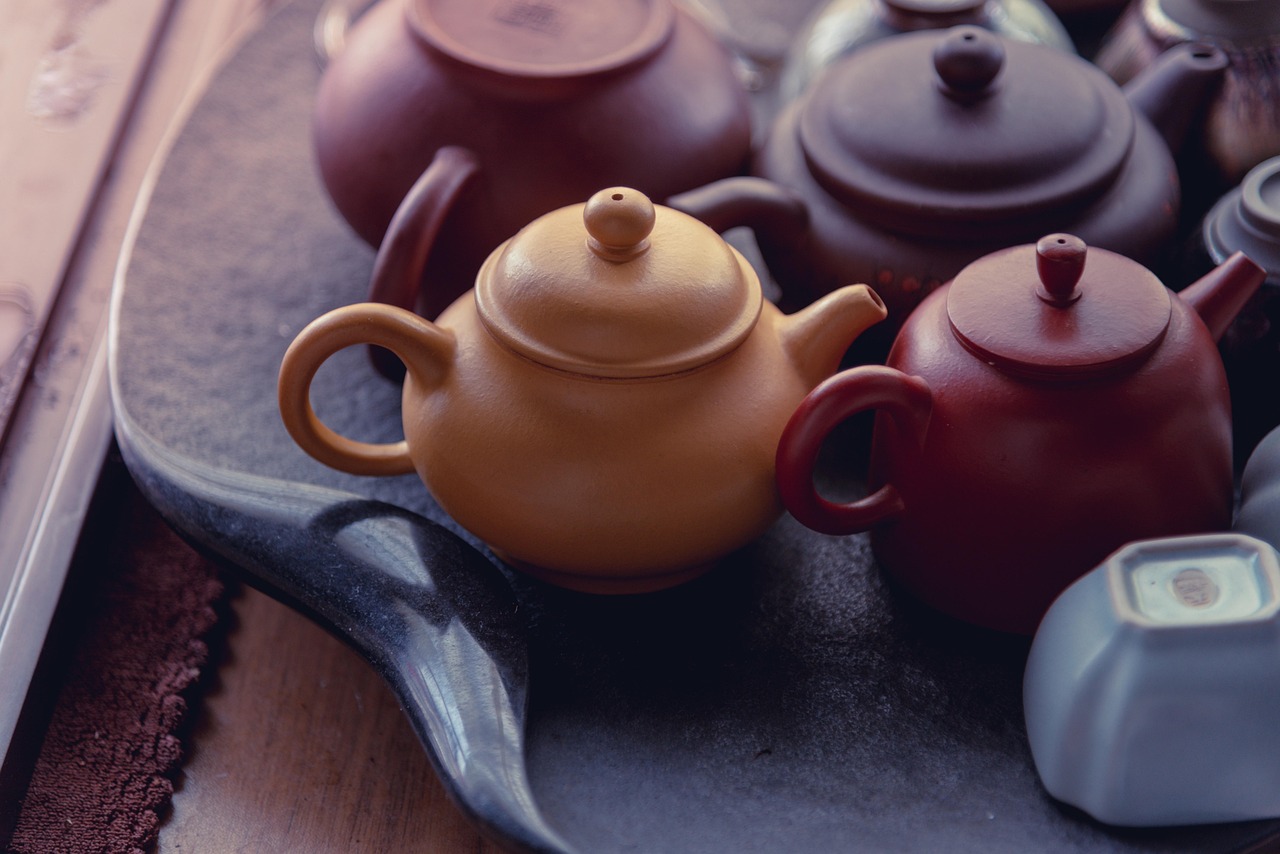
- Equipment: Small teapot (usually Yixing clay), tea cups, tea tray, and brewing accessories
- Technique: Multiple short infusions of the same tea leaves
- Focus: Bringing out the best flavors from premium tea leaves
Unlike the Japanese ceremony, the Gongfu ceremony is more relaxed and social, though no less respectful of the tea. The host demonstrates expertise in controlling water temperature, brewing time, and the art of pouring.
British Afternoon Tea
The British afternoon tea tradition, started in the 1840s, has become synonymous with elegance and refinement. While less ceremonial than Asian traditions, it follows distinct etiquette and customs.
Key Elements:
- Time: Traditionally served between 3-5 PM
- Tea Used: Black teas, often Earl Grey, English Breakfast, or Darjeeling
- Accompaniments: Finger sandwiches, scones with clotted cream and jam, and pastries
- Service: Fine china teacups, silver service, tiered cake stands
- Etiquette: Specific rules for stirring tea, holding cups, and eating treats
The tradition emphasizes social connection and conversation, with tea serving as the centerpiece of a refined social gathering.
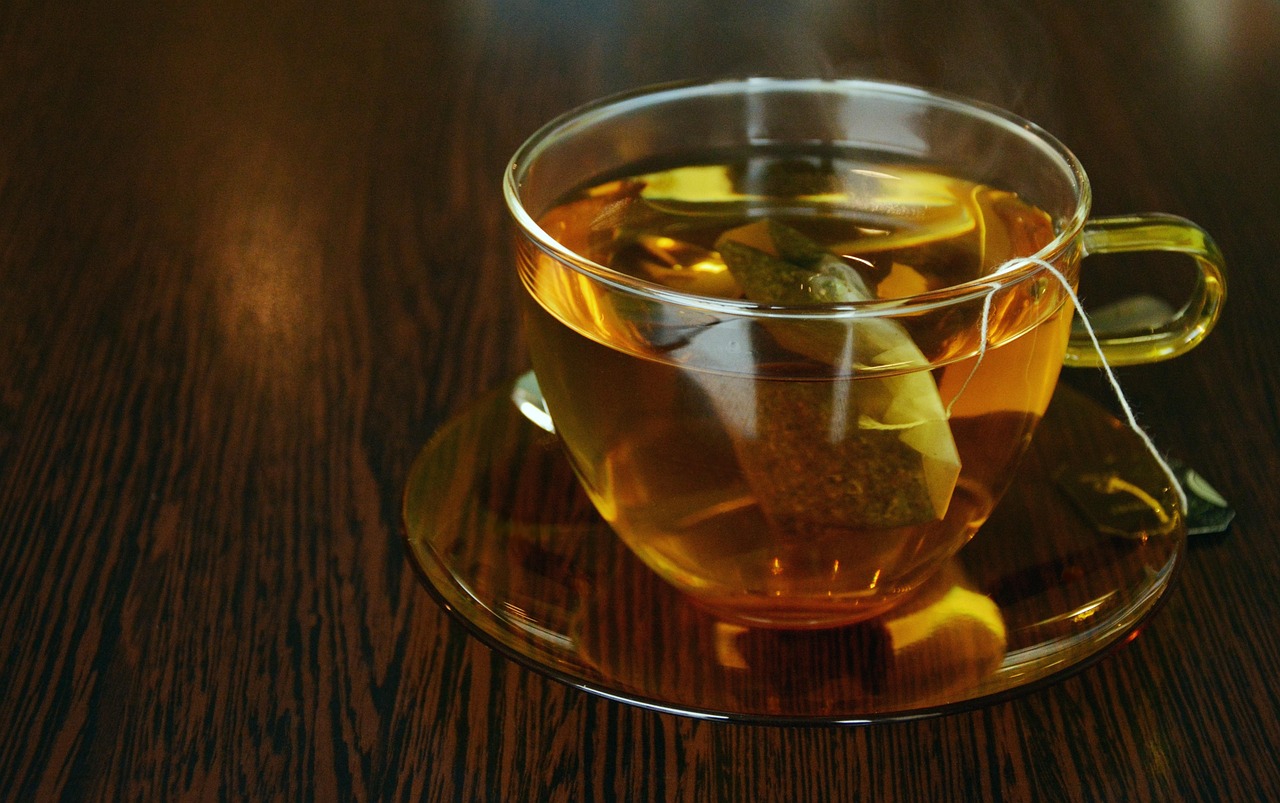
Moroccan Tea Ceremony
In Morocco, serving tea is an art form and a sign of hospitality. Moroccan mint tea, or “Maghrebi mint tea,” is an integral part of social life and business dealings.
Key Elements:
- Tea Used: Green tea (usually Chinese gunpowder) with fresh mint leaves and sugar
- Preparation: Tea is traditionally poured from a height to create foam
- Serving: Typically served three times – “The first glass is as gentle as life, the second is as strong as love, the third is as bitter as death”
- Social Aspect: Refusing tea can be considered impolite
The dramatic pouring technique, where tea is poured from a significant height into small glasses, is both practical (it aerates and cools the tea) and theatrical.
Indian Chai Ceremony
While not as formal as some other traditions, the preparation and serving of chai in India is deeply ritualistic and varies by region. Chai is integral to Indian hospitality and daily life.
Key Elements:
- Tea Used: Strong black tea with milk, sugar, and spices (cardamom, ginger, cinnamon, cloves)
- Preparation: Boiled together rather than steeped
- Serving: Often in small clay cups (kulhars) that are disposed of after use
- Social Context: Essential for welcoming guests and social interactions
Russian Tea Tradition
Russia has a rich tea-drinking culture centered around the samovar, a heated metal container used to heat water and keep tea warm.
Key Elements:
- Equipment: Samovar for heating water
- Tea Used: Strong black tea concentrate (zavarka) diluted with hot water
- Accompaniments: Often served with jam, lemon, or sweets
- Social Aspect: Tea time is an important social ritual for conversation
Korean Tea Ceremony (Darye)
The Korean tea ceremony shares some similarities with the Japanese tradition but has its own unique characteristics rooted in Korean Buddhism and Confucianism.
Key Elements:
- Tea Used: Various teas including green tea, roasted barley tea, and herbal teas
- Setting: Simple, natural aesthetic
- Philosophy: Emphasizes purity, tranquility, and respect
- Presentation: Beautiful Korean ceramics and natural materials
Tibetan Butter Tea Tradition
High in the Himalayas, Tibetans have developed a unique tea tradition suited to their harsh climate and nomadic lifestyle.
Key Elements:
- Tea Used: Strong black tea churned with yak butter and salt
- Purpose: Provides calories and warmth in cold climate
- Preparation: Churned vigorously to emulsify ingredients
- Cultural Significance: Essential for hospitality and daily sustenance
Turkish Tea Culture
Turkey has one of the highest per-capita tea consumption rates in the world, and tea drinking is central to Turkish social life.
Key Elements:
- Equipment: Special double-stacked teapot (çaydanlık)
- Tea Used: Black tea, usually from the Rize region
- Serving: In small tulip-shaped glasses
- Customization: Can be served light (açık) or dark (koyu)
The Universal Language of Tea
Despite their differences, all tea ceremonies share common themes:
- Hospitality: Tea is a gesture of welcome and respect
- Mindfulness: The ritual encourages presence and attention
- Connection: Tea brings people together
- Respect: For the tea, the process, and fellow participants
- Cultural Identity: Tea ceremonies preserve and express cultural values
Creating Your Own Tea Ritual
You don’t need to follow a traditional ceremony to create meaningful tea rituals:
- Choose Quality: Select good quality tea that you enjoy
- Create Space: Dedicate a quiet, clean space for tea preparation
- Be Present: Focus on the process and sensory experience
- Develop Routine: Consistent practices create meaningful rituals
- Share: Invite others to join your tea moments
Conclusion
Tea ceremonies around the world demonstrate how a simple beverage can become a profound cultural practice. Whether you’re interested in the meditative Japanese ceremony, the skilled Chinese Gongfu method, or the social British afternoon tea, exploring these traditions offers insights into different cultures and philosophies.
The beauty of tea ceremonies lies not just in their aesthetic or historical significance, but in their ability to create moments of pause, reflection, and connection in our busy lives. By understanding and perhaps adopting elements of these traditions, we can enrich our own relationship with tea and with those we share it with.
So the next time you brew a cup of tea, take a moment to appreciate the centuries of tradition and culture that have shaped this simple yet profound act. Every cup of tea is an opportunity to create your own meaningful ritual and connect with a global community of tea lovers.
 Sarah Lee


