
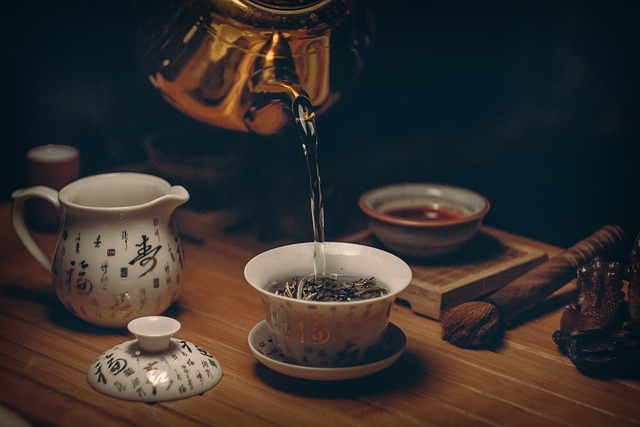
The soothing properties of tea
Tea, known for its soothing and comforting qualities, has been enjoyed for centuries across cultures and continents. From its origins in ancient China to the widespread popularity it holds today, the drink has made its mark as a reliable companion during moments of relaxation. With its warm aroma and delicate flavors, tea has the ability to create a sense of tranquility and ease in the midst of a hectic day.
One of the key reasons why tea is considered soothing is its natural composition. Packed with antioxidants and amino acids, such as L-theanine, tea has the ability to calm the mind and promote a sense of well-being. The infusion of hot water with tea leaves releases these beneficial compounds, creating a harmonious blend that can gently uplift the spirit. Whether it’s a fragrant green tea, a robust black tea, or a herbal infusion, each cup offers a unique experience that can help melt away stress and bring a moment of respite.
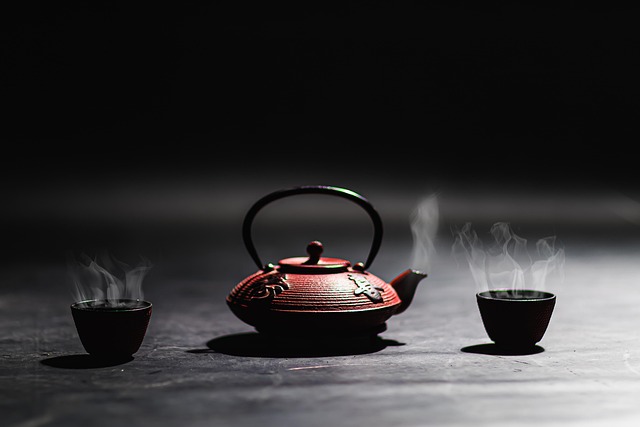
The relationship between tea and relaxation
As a popular beverage enjoyed by cultures around the world, tea has long been associated with relaxation. Its comforting warmth and gentle aroma create a sense of tranquility that can help unwind the mind and body. Sipping on a cup of tea can provide a moment of respite from the hustle and bustle of daily life, allowing one to find solace in the simple act of slowing down and savoring the present moment. Whether it’s the delicate flavors of green tea, the robust richness of black tea, or the subtle sweetness of herbal infusions, tea offers a soothing experience that promotes a sense of calm and relaxation.
The various types of tea that promote calmness
From the fragrant fields of Chamomile to the vibrant leaves of Green Tea, there are countless types of tea that can promote a sense of calmness and relaxation. One such tea is Chamomile, known for its soothing properties. This herbal tea is often used to unwind after a long day, as it has the ability to relax muscles and calm the mind. Its light, floral taste adds to the overall experience of tranquility while sipping a cup of Chamomile tea.
Another popular tea for promoting calmness is Green Tea. Packed with antioxidants and amino acids, Green Tea has been revered for its calming effects. Its unique combination of L-theanine and caffeine works together to increase alertness and focus, while also promoting a sense of relaxation. Green Tea is often associated with mindfulness practices and has become a staple in meditation routines for its ability to induce a state of calm awareness.
The impact of tea on stress and anxiety
Tea has long been revered for its ability to soothe and calm the mind, making it a popular choice for those looking to alleviate stress and anxiety. The warm, comforting sensation that comes with each sip of tea can create a sense of relaxation, allowing the body to unwind and the mind to find solace in the present moment.
One of the reasons tea is believed to have such an impact on stress and anxiety is its content of L-theanine, an amino acid that has been found to promote relaxation and reduce anxiety levels. L-theanine works by increasing the production of serotonin and dopamine in the brain, two neurotransmitters that are known to play a key role in regulating mood and emotions. This unique combination of L-theanine and other compounds found in tea can help alleviate stress and anxiety, providing a moment of tranquility in an otherwise chaotic world.

Exploring the calming effects of herbal teas
Herbal teas have long been recognized for their soothing and calming effects on the mind and body. These teas, made from various plant ingredients such as chamomile, lavender, and lemon balm, offer a natural remedy for promoting relaxation and reducing stress. The gentle aromas and flavors of these herbal infusions create a comforting experience that can help to alleviate anxiety and induce a sense of calmness.
Chamomile tea, in particular, is well-known for its calming properties. This delicate yellow flower, when steeped in hot water, releases compounds that have been found to have anxiolytic effects. Drinking a warm cup of chamomile tea before bed can aid in winding down after a long day, promoting a restful sleep and easing into a state of tranquility. Similarly, lavender tea, with its aromatic fragrance, offers a gentle relaxation that can help to alleviate restlessness and promote a sense of peace. By incorporating herbal teas into our daily routines, we can harness the calming power of nature and embrace a more serene and relaxed lifestyle.
The role of tea in mindfulness and meditation practices
Mindfulness and meditation have long been recognized as powerful tools for promoting mental well-being and inner peace. They provide an opportunity to cultivate a deeper connection with oneself and the present moment. In the realm of these practices, tea has emerged as a companion that complements and enhances the overall experience.
Tea, with its gentle aroma, soothing warmth, and ritualistic nature, offers a seamless integration into mindfulness and meditation practices. As we sip on a cup of tea, we engage our senses – the earthy scent, the delicate taste, and the comforting sensation as it travels down our throat. This mindful experience encourages us to be fully present, fully aware of the simple act of drinking tea. In this way, tea becomes a catalyst for grounding ourselves in the present moment, facilitating a deeper state of relaxation and tranquility during meditation and mindfulness practices.
Tea rituals and their role in promoting relaxation
Tea rituals have been embraced by cultures around the world for centuries, not only for their delightful flavors but also for their ability to promote relaxation. The act of preparing and savoring tea can be a source of mindfulness and tranquility in our fast-paced lives. It offers a moment to pause, to focus on the present, and to create a peaceful environment.
Through tea rituals, individuals can cultivate a sense of calm and balance. The process of brewing tea requires attention and patience, allowing individuals to slow down and be fully present in the moment. The aroma that arises from the steeping leaves creates a soothing atmosphere, inviting a sense of peace to settle over the surroundings. The simple act of taking time to prepare tea and engage in a ritual can become a form of self-care, providing a much-needed respite from the stresses of daily life.
The science behind how tea can help calm the mind and body
Tea has been consumed and valued for centuries not only for its taste, but also for its potential to calm the mind and body. Recent scientific research has offered insights into the mechanisms behind this soothing effect. One key component found in tea is an amino acid called L-theanine. L-theanine has been shown to stimulate the production of alpha brain waves, which are associated with relaxation and a state of wakeful calm. This may explain why many individuals experience a sense of tranquility and mental clarity after sipping a cup of tea.
Another way in which tea promotes calmness is through its antioxidants. Tea is rich in compounds called polyphenols, specifically catechins and flavonoids, which have been found to have neuroprotective effects. These antioxidants work by reducing oxidative stress and inflammation in the brain, which can contribute to a calmer mental state. Additionally, some research suggests that tea polyphenols might enhance the activity of neurotransmitters like serotonin and GABA, which are known to regulate mood and promote feelings of relaxation.
While the science behind how tea calms the mind and body continues to be explored, these initial findings highlight the potential benefits of incorporating tea into our daily routines. By harnessing the power of L-theanine and antioxidative compounds, tea can serve as a natural and accessible tool to promote a state of calmness and relaxation. Whether it’s a warm cup of chamomile before bedtime or a refreshing green tea during a mindfulness practice, the science-backed effects of tea make it a valuable addition to any lifestyle.
Tea and its role in promoting better sleep and restfulness
Countless people struggle with getting a good night’s sleep, dealing with restless nights and groggy mornings. In the search for natural solutions to improve sleep quality, many have turned to tea as a potential remedy. Tea, with its soothing properties and calming effects, has been known to promote better sleep and restfulness.
One of the primary reasons why tea can aid in improving sleep quality is due to its unique combination of compounds. Certain teas, such as chamomile and lavender, contain natural sedatives that are known to relax both the mind and body. These sedatives help to reduce stress and anxiety, allowing individuals to unwind and prepare for a peaceful night of slumber. Additionally, the ritual of preparing and sipping on a warm cup of tea before bed can signal to the brain that it is time to wind down and prepare for rest, further enhancing sleep-inducing effects. By incorporating tea into their bedtime routine, individuals can create a calming and peaceful environment that promotes better sleep and restfulness.
Incorporating tea into your daily routine for a calmer lifestyle
Tea, with its rich history and diverse range of flavors, holds the potential to be a valuable addition to your daily routine, promoting a calmer lifestyle. The act of preparing and sipping tea can provide moments of stillness and tranquility in an otherwise hectic day. When incorporated mindfully into your routine, tea can act as a gentle reminder to pause, breathe, and indulge in a few moments of self-care.
One way to incorporate tea into your daily life is by creating a dedicated tea ritual. Choose a specific time in the day, perhaps early mornings or evenings, to set aside a few minutes solely for tea. This ritual can involve selecting different teas depending on your mood, carefully brewing the leaves in a teapot, and taking the time to savor the aroma and taste. By embracing this ritualistic approach, you can create a sacred space for yourself, allowing the calming effects of tea to permeate your mind and body.
What are the soothing properties of tea?
Tea contains compounds such as L-theanine, which has been found to promote relaxation and reduce stress levels. It also contains antioxidants that can have a calming effect on the body.
How does tea promote relaxation?
Tea can promote relaxation by helping to lower cortisol levels, a hormone associated with stress. The act of preparing and enjoying a cup of tea can also provide a moment of mindfulness and relaxation.
What types of tea promote calmness?
Some types of tea that are known for their calming properties include chamomile, lavender, passionflower, and peppermint tea. These teas contain natural compounds that have a soothing effect on the body and mind.
Can tea help with stress and anxiety?
Yes, tea can help with stress and anxiety. The compounds found in tea, such as L-theanine and antioxidants, can help to reduce stress levels and promote a sense of calmness.
What are the calming effects of herbal teas?
Herbal teas, such as chamomile and lavender, have been used for centuries for their calming effects. These teas can help to relax the mind, reduce anxiety, and promote better sleep.
How does tea play a role in mindfulness and meditation practices?
Tea can be incorporated into mindfulness and meditation practices as a way to focus the mind and create a sense of calmness. The act of brewing and sipping tea can be done with intention and can help to cultivate a state of mindfulness.
What is the significance of tea rituals in promoting relaxation?
Tea rituals provide a sense of structure and routine, which can be comforting and promote relaxation. Engaging in a tea ritual can create a mindful and calming experience.
Is there any scientific evidence behind the calming effects of tea?
Yes, several scientific studies have shown that tea, especially those containing L-theanine, can have a calming effect on the mind and body. These studies have demonstrated a reduction in stress levels and an increase in relaxation after consuming tea.
Can tea help with better sleep and restfulness?
Yes, certain types of tea, such as chamomile and valerian root tea, are known for their sleep-promoting properties. These teas can help to relax the body and mind, making it easier to fall asleep and improve the quality of sleep.
How can I incorporate tea into my daily routine for a calmer lifestyle?
You can incorporate tea into your daily routine by setting aside a specific time each day to enjoy a cup of tea. You can also experiment with different types of tea and herbal blends to find what works best for you.


