
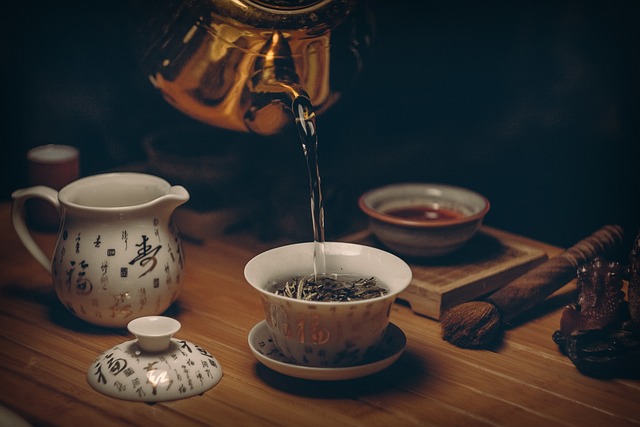
Different Types of Tea: Exploring the varieties of tea available and their unique properties.
Tea, one of the most popular beverages worldwide, comes in various forms, each offering a unique taste and set of properties. Green tea, known for its vibrant green color and fresh flavor, is renowned for its high antioxidant content. These antioxidants, such as catechins and flavonoids, have been associated with potential health benefits, including reducing the risk of heart disease and certain types of cancer. Additionally, green tea has been linked to potential cholesterol-lowering effects.
Black tea, on the other hand, undergoes a fermentation process, giving it a robust and rich flavor. While black tea contains fewer antioxidants than green tea, it is still packed with other beneficial compounds. Research suggests that consuming black tea may contribute to improved heart health by reducing the levels of LDL, or “bad” cholesterol, in the body. Furthermore, black tea has been associated with promoting healthy blood sugar levels and aiding in digestion.
Understanding Cholesterol: Briefly explaining what cholesterol is and its impact on health.
Cholesterol is a waxy substance that is naturally produced by the liver and found in some foods. It is an essential component of cell membranes and is important for hormone production, vitamin synthesis, and digestion. However, too much cholesterol in the blood can be harmful to health.
There are two types of cholesterol: low-density lipoprotein (LDL) and high-density lipoprotein (HDL). LDL cholesterol, also known as “bad” cholesterol, can build up in the arteries and form plaque, increasing the risk of heart disease and stroke. On the other hand, HDL cholesterol, often referred to as “good” cholesterol, helps remove LDL cholesterol from the bloodstream, reducing the risk of heart disease. Maintaining a healthy balance of these two types of cholesterol is crucial for overall well-being.
Tea Components: Examining the components found in tea and their potential effects on cholesterol.
Tea is comprised of various components, each with its potential effects on cholesterol levels. One significant component found in tea is catechins, a type of flavonoid known for its antioxidant properties. Catechins have been found to help reduce LDL cholesterol levels, also known as the “bad” cholesterol, thus promoting a healthier lipid profile. Additionally, theaflavins, another class of flavonoids present in black tea, have shown promising effects in reducing total cholesterol levels and inhibiting cholesterol absorption in the intestine. These components demonstrate the potential of tea as a natural means to support cardiovascular health and cholesterol management.
In addition to flavonoids, tea also contains the amino acid L-theanine, which is known for its calming and relaxing effects. L-theanine has been speculated to influence cholesterol levels indirectly through stress reduction. By promoting a state of relaxation, L-theanine may potentially help lower cholesterol levels, as chronic stress has been linked to elevated cholesterol levels. Although more research is needed to fully understand the mechanism behind this relationship, the presence of L-theanine in tea provides an interesting avenue for exploration when considering its potential impact on cholesterol management.
Antioxidants in Tea: Discussing the role of antioxidants in tea and their relationship with cholesterol levels.
Antioxidants are compounds that help protect the body from damage caused by harmful molecules called free radicals. Tea is known to be rich in antioxidants, making it a popular beverage for promoting overall health. When it comes to cholesterol levels, antioxidants in tea have been found to play a beneficial role.
Numerous studies have shown that tea consumption, particularly green tea, can help lower LDL cholesterol levels, also known as the “bad” cholesterol. This is because the antioxidants in tea have the ability to inhibit the oxidation of LDL cholesterol, which is a key step in the development of plaque buildup in the arteries. By reducing the oxidation of LDL cholesterol, tea antioxidants contribute to the prevention of atherosclerosis and the potential lowering of cholesterol levels. However, it’s important to note that while tea can be a part of a healthy lifestyle for cholesterol management, it should not be considered a standalone treatment or cure for high cholesterol.
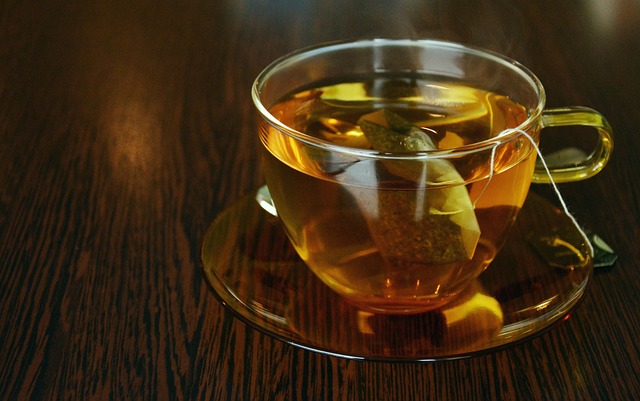
Studies on Tea and Cholesterol: Presenting scientific research and studies that have explored the effects of tea on cholesterol.
Numerous scientific studies have been conducted to investigate the potential effects of tea on cholesterol levels. One study conducted by researchers at the University of Western Australia found that green tea consumption can lead to a reduction in both total cholesterol and LDL cholesterol levels. The study involved individuals consuming green tea extract daily for 12 weeks, and the results showed a significant decrease in cholesterol levels compared to the control group.
Another study published in the Journal of Agricultural and Food Chemistry explored the effects of black tea on cholesterol. The researchers found that regular black tea consumption over a six-month period led to a decrease in LDL cholesterol levels. Additionally, the study suggested that black tea may also increase HDL cholesterol, often referred to as “good” cholesterol. These findings indicate that black tea may have a positive impact on cholesterol profiles, promoting heart health.
Overall, these studies highlight the potential cholesterol-lowering benefits of tea consumption, particularly green and black teas. However, it is important to note that individual responses may vary, and further research is needed to fully understand the mechanisms by which tea affects cholesterol levels. Nonetheless, incorporating tea into a balanced diet may be a simple and enjoyable lifestyle choice that could have positive health implications.
Green Tea and Cholesterol: Highlighting the potential benefits of green tea in reducing cholesterol levels.
Green tea is known for its potential benefits in reducing cholesterol levels. It contains certain compounds, such as catechins and flavonoids, which have been shown to have a positive impact on cholesterol levels. These compounds have the ability to inhibit the absorption of cholesterol in the intestines, as well as to promote its excretion from the body. Additionally, green tea has been found to increase HDL (good) cholesterol levels while decreasing LDL (bad) cholesterol levels, resulting in an overall improvement in cholesterol profile. These effects make green tea a favorable option for individuals looking to manage their cholesterol levels naturally.
Research studies have provided evidence supporting the cholesterol-lowering properties of green tea. A study published in the American Journal of Clinical Nutrition found that consuming green tea extract resulted in a significant decrease in total cholesterol, LDL cholesterol, and triglyceride levels. Another study published in the Journal of Agricultural and Food Chemistry showed that the consumption of green tea led to a reduction in LDL cholesterol oxidation, which is a key factor in the development of cardiovascular diseases. These findings suggest that incorporating green tea into one’s daily routine may have a beneficial impact on cholesterol management.
Black Tea and Cholesterol: Examining the impact of black tea consumption on cholesterol levels.
Black tea, derived from the leaves of the Camellia sinensis plant, is one of the most commonly consumed teas in the world. People enjoy its robust flavor and distinctive color, but what impact does black tea consumption have on cholesterol levels? Several studies have shed light on this matter.
One study published in the Journal of Agricultural and Food Chemistry found that black tea consumption was associated with a decrease in LDL cholesterol levels, also known as “bad” cholesterol. LDL cholesterol is a major risk factor for heart disease, so any reduction in its levels can be beneficial for cardiovascular health. Another study published in the American Journal of Clinical Nutrition reported similar findings, suggesting that black tea consumption may help improve cholesterol profiles by lowering both total cholesterol and LDL cholesterol. However, it is worth noting that the effects of black tea on cholesterol may vary among individuals, and more research is needed to fully understand the mechanisms behind these findings.
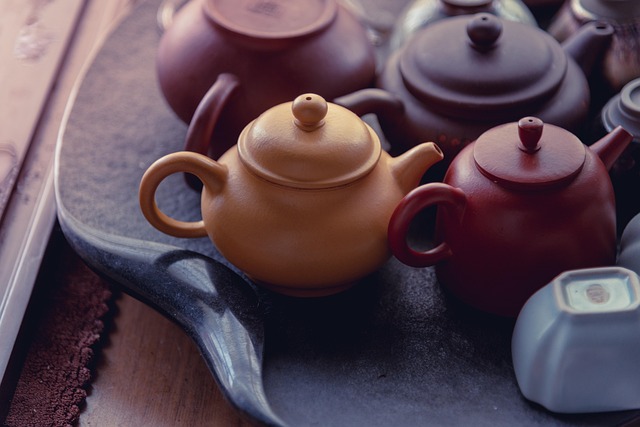
Herbal Tea and Cholesterol: Exploring the effects of herbal teas on cholesterol and their potential benefits.
Herbal tea has been consumed for centuries for its various health benefits, and its potential effects on cholesterol levels have gained significant attention. Research suggests that certain herbal teas may have positive impacts on cholesterol levels, contributing to overall heart health.
One popular herbal tea known for its potential cholesterol-lowering properties is hibiscus tea. Studies have shown that regular consumption of hibiscus tea can lead to a reduction in total cholesterol and LDL (bad) cholesterol levels. This may be attributed to the presence of antioxidants called anthocyanins in hibiscus tea, which have been found to have cholesterol-lowering effects. Additionally, the high vitamin C content in hibiscus tea may contribute to its cholesterol-lowering properties. However, further research is needed to fully understand the mechanisms by which hibiscus tea affects cholesterol levels.
Another herbal tea that has shown promise in reducing cholesterol is rooibos tea. Rooibos tea is naturally caffeine-free and is rich in antioxidants, including flavonoids and aspalathin. These compounds have been found to potentially lower LDL cholesterol levels and increase HDL (good) cholesterol levels. However, more studies are required to establish a definitive link between rooibos tea and cholesterol levels, and to determine the optimal amount and frequency of consumption for maximum benefits.
In conclusion, herbal teas, such as hibiscus tea and rooibos tea, may offer potential benefits for cholesterol levels. The presence of specific antioxidants in these teas may contribute to their cholesterol-lowering properties. However, more research is needed to fully understand the mechanisms involved and to establish clear guidelines for consumption. If you’re considering using herbal teas to support your cholesterol management, it is advisable to consult with a healthcare professional for personalized recommendations.
Tea Consumption Recommendations: Providing guidelines on the amount and frequency of tea consumption for potential cholesterol-lowering effects.
Tea consumption can potentially have cholesterol-lowering effects, but it’s important to be mindful of the amount and frequency of tea intake to maximize these benefits. Experts suggest that drinking 3-4 cups of tea per day can be a beneficial way to support heart health and potentially lower cholesterol levels. This recommended amount ensures that you are getting an adequate intake of the various components and antioxidants found in tea that are believed to promote cholesterol management.
However, it’s essential to note that moderation is key when it comes to tea consumption. While tea can be a healthy addition to your diet, excessive intake may lead to unwanted side effects or interactions with medications. Furthermore, it’s crucial to consider individual sensitivities or allergies to certain types of tea or herbal infusions. Consulting with a healthcare professional or a registered dietitian can provide personalized guidance on the appropriate amount and frequency of tea consumption to suit your health needs and goals.
Lifestyle Factors: Discussing other lifestyle factors that can influence cholesterol levels alongside tea consumption.
In addition to tea consumption, there are several other lifestyle factors that can have an impact on cholesterol levels. One of the most significant factors is diet. A diet high in saturated fats, trans fats, and cholesterol can increase levels of LDL cholesterol, commonly known as “bad” cholesterol. It is important to limit the intake of foods such as red meat, full-fat dairy products, fried foods, and processed snacks in order to maintain healthy cholesterol levels. Additionally, incorporating more fruits, vegetables, whole grains, and lean proteins into the diet can help to lower cholesterol levels.
Physical activity is another crucial lifestyle factor that can influence cholesterol levels. Regular exercise has been shown to increase levels of HDL cholesterol, also known as “good” cholesterol. Engaging in activities such as brisk walking, jogging, swimming, cycling, or strength training for at least 30 minutes a day, most days of the week, can help to improve cholesterol profiles. Regular exercise not only increases HDL cholesterol but also helps to manage weight, reduce inflammation, and improve overall cardiovascular health.
What is cholesterol and why is it important?
Cholesterol is a waxy, fat-like substance found in the cells of our body. It is important for the production of hormones, vitamin D, and digestive enzymes. However, high levels of cholesterol can increase the risk of heart disease.
What are the different types of tea available?
There are various types of tea available, including green tea, black tea, white tea, oolong tea, and herbal tea. Each type has its own unique properties and flavors.
How does tea consumption affect cholesterol levels?
Tea contains components such as catechins and theaflavins, which have been shown to potentially reduce LDL cholesterol levels, also known as “bad” cholesterol.
What role do antioxidants play in tea?
Tea is rich in antioxidants, such as flavonoids and polyphenols, which help protect the body against free radicals and oxidative stress. These antioxidants may also have a positive effect on cholesterol levels.
Are there any scientific studies on the effects of tea on cholesterol?
Yes, there have been several scientific studies that have explored the relationship between tea consumption and cholesterol levels. These studies have shown promising results in terms of tea’s potential to lower LDL cholesterol.
How does green tea affect cholesterol levels?
Green tea, specifically, has been found to have beneficial effects on cholesterol levels. The catechins in green tea may help reduce LDL cholesterol levels and increase HDL cholesterol levels, also known as “good” cholesterol.
Can black tea consumption lower cholesterol levels?
Some studies suggest that black tea consumption may have a modest effect on reducing LDL cholesterol levels. However, more research is needed to fully understand the impact of black tea on cholesterol.
What about herbal teas? Can they help lower cholesterol?
While herbal teas do not contain the same components as traditional teas, some herbal teas like hibiscus tea have shown potential in reducing LDL cholesterol levels. However, further research is necessary to confirm these findings.
How much tea should I consume to potentially lower my cholesterol levels?
It is recommended to consume around 3-4 cups of tea per day to potentially benefit from its cholesterol-lowering effects. However, it’s important to consult with a healthcare professional for personalized advice.
Besides tea consumption, what other lifestyle factors can influence cholesterol levels?
Other lifestyle factors that can influence cholesterol levels include maintaining a healthy diet, regular exercise, managing weight, avoiding smoking, limiting alcohol consumption, and managing stress levels.


