

Understanding Blood Pressure
Blood pressure, a vital indicator of cardiovascular health, refers to the force exerted by circulating blood against the walls of blood vessels. It is typically measured using two numbers: systolic pressure (the higher number) and diastolic pressure (the lower number). Systolic pressure represents the force when the heart beats, while diastolic pressure represents the force when the heart is at rest between beats. Blood pressure readings are recorded in millimeters of mercury (mmHg) and are expressed as a ratio, with systolic pressure over diastolic pressure.
Understanding blood pressure is crucial as it serves as a valuable measurement to assess a person’s risk for various health conditions, including hypertension (high blood pressure). Hypertension can lead to serious health problems such as heart disease, stroke, and kidney failure. By monitoring and managing blood pressure effectively, individuals can promote their overall well-being and potentially prevent or manage these conditions.
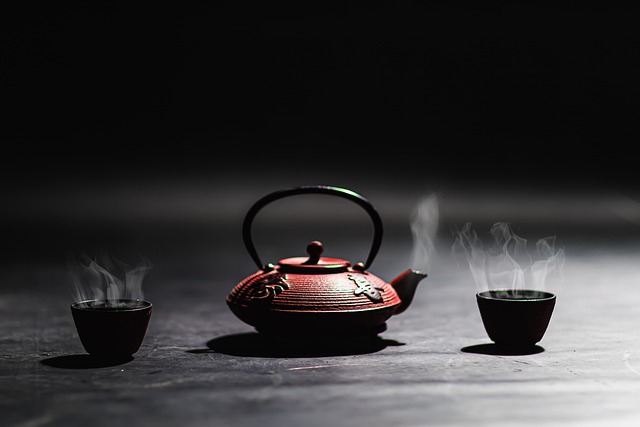
The Health Benefits of Green Tea
Green tea has long been celebrated for its numerous health benefits. From its rich antioxidant content to its potential for boosting metabolism, this natural beverage has gained popularity among health enthusiasts. One of the most notable health benefits associated with green tea is its potential to reduce the risk of chronic diseases. Research suggests that regular consumption of green tea may help lower the risk of heart disease, certain types of cancer, and even neurodegenerative disorders like Parkinson’s and Alzheimer’s disease. These benefits can be attributed to the high levels of catechins found in green tea, which possess potent antioxidant properties that help protect the body against cellular damage and inflammation.
In addition to its disease-fighting potential, green tea has also been linked to weight management. Studies have shown that the catechins in green tea can help increase fat oxidation and improve insulin sensitivity, which may contribute to weight loss and the prevention of obesity-related conditions. Moreover, green tea has been found to boost metabolic rate, allowing for more efficient calorie burning. While it is not a miracle cure for weight loss, incorporating green tea into a balanced diet and regular exercise routine may provide an added benefit in maintaining a healthy weight.
Green Tea and Caffeine Content
Green tea, a popular beverage known for its numerous health benefits, contains caffeine, although the amount can vary depending on the type and preparation method. On average, a cup of green tea contains around 25-45 milligrams of caffeine, which is significantly lower than a cup of coffee. This moderate level of caffeine in green tea can provide a gentle boost of energy without causing the jittery side effects often associated with higher caffeine intake.
The caffeine content in green tea can have both positive and negative effects. On one hand, caffeine is a stimulant that can improve focus, alertness, and physical performance. It can also temporarily increase heart rate and blood pressure. However, the relatively low amount of caffeine in green tea is unlikely to cause major changes in blood pressure, especially when consumed in moderation. Nonetheless, individuals who are particularly sensitive to caffeine should be mindful of their green tea consumption and monitor their blood pressure levels accordingly.
How Green Tea Affects the Cardiovascular System
Green tea has been revered for its potential health benefits, particularly in relation to the cardiovascular system. Studies suggest that green tea may positively impact heart health in various ways. Firstly, green tea contains compounds called polyphenols, which have antioxidant properties. These polyphenols, such as catechins and flavonoids, have been found to play a role in reducing the risk of heart disease by preventing the oxidation of LDL cholesterol, which is known to contribute to the formation of plaque in the arteries.
Additionally, green tea has been associated with improved blood vessel function. Research indicates that the consumption of green tea may help promote the dilation of blood vessels, enhancing blood flow and reducing the risk of conditions such as hypertension and atherosclerosis. This dilation is thought to be partly attributed to the presence of a specific catechin called epigallocatechin-3-gallate (EGCG), which demonstrates vasodilatory properties. By promoting healthy blood vessel function, green tea may ultimately contribute to a healthier cardiovascular system.

The Role of Antioxidants in Green Tea
Green tea is widely known for its numerous health benefits, and one of the key factors behind its positive effects is the presence of antioxidants. Antioxidants are substances that help protect the body against the damaging effects of free radicals, which are unstable molecules that can cause oxidative stress. In green tea, these antioxidants are primarily a group of compounds called catechins, with epigallocatechin gallate (EGCG) being the most abundant and potent of them all.
The role of antioxidants in green tea is crucial when it comes to promoting overall health and well-being. By neutralizing free radicals, these powerful compounds help reduce inflammation and oxidative damage within the body, which can have a positive impact on various aspects of human health. Additionally, research suggests that the antioxidants in green tea may also play a role in reducing the risk of chronic diseases such as heart disease, cancer, and neurodegenerative disorders. While further studies are needed to fully understand the specific mechanisms behind these benefits, it is clear that the antioxidants in green tea contribute significantly to its health-promoting properties.
Studies on the Relationship Between Green Tea and Blood Pressure
Numerous studies have been conducted to investigate the potential relationship between green tea consumption and blood pressure. A study published in the American Journal of Clinical Nutrition examined the effects of green tea on blood pressure in a group of adults with mildly elevated blood pressure. The results indicated that daily consumption of green tea over a period of three months led to a significant reduction in systolic and diastolic blood pressure compared to a control group. These findings suggest that regular intake of green tea may have a positive impact on blood pressure management.
Another study published in the Journal of Hypertension explored the long-term effects of green tea consumption on blood pressure in a large population. The analysis of several randomized controlled trials suggested that regular intake of green tea, particularly high in catechins, was associated with a modest reduction in blood pressure levels. However, it is important to note that the benefits varied among individuals, and the effects may be more pronounced in those with higher blood pressure levels. Further research is needed to determine the optimal dosage and duration of green tea consumption for maximum blood pressure-lowering effects.
Potential Factors that Influence Blood Pressure
Blood pressure, the force exerted by the blood on the walls of the arteries, can be influenced by a variety of factors. One significant factor is age, as blood vessels tend to become less elastic over time, leading to an increase in blood pressure. Additionally, genetics can play a role in determining an individual’s risk for hypertension. If a person has a family history of high blood pressure, they may be more susceptible to developing the condition themselves.
Lifestyle choices can also greatly impact blood pressure. Poor diet, high in sodium and saturated fats, can contribute to hypertension. Sodium promotes fluid retention, leading to increased blood volume and pressure. In contrast, a diet that is rich in fruits, vegetables, and whole grains can help lower blood pressure due to their high fiber and antioxidant content. Regular physical activity is also crucial in maintaining normal blood pressure. Exercise helps to strengthen the heart, improve blood flow, and control weight, all of which contribute to healthy blood pressure levels.

The Impact of Green Tea on Hypertension
Green tea has long been praised for its potential health benefits, including its positive impact on hypertension, also known as high blood pressure. Numerous studies have explored the relationship between green tea consumption and its effect on blood pressure levels, with promising results.
One of the key factors contributing to the impact of green tea on hypertension is its rich antioxidant content. Antioxidants help protect our cells from damage caused by harmful free radicals, which can contribute to the development of chronic diseases such as hypertension. Green tea contains a variety of antioxidants, notably catechins, which have been shown to have a positive effect on blood pressure. These compounds have been found to help relax and dilate blood vessels, leading to improved blood flow and lower blood pressure levels. However, it is important to note that further research is still needed to fully understand the mechanisms behind green tea’s impact on hypertension.
Recommended Green Tea Consumption for Individuals with High Blood Pressure
When it comes to individuals with high blood pressure, the recommended consumption of green tea should be approached with caution. While green tea has been shown to have potential benefits for cardiovascular health, it is important to consider the individual’s overall health, lifestyle, and medication regimen before incorporating green tea into their routine.
As a general guideline, it is suggested that individuals with high blood pressure limit their green tea intake to moderate levels. This typically translates to no more than 2-3 cups of green tea per day. It is essential to monitor blood pressure regularly and consult with a healthcare professional to determine the appropriate amount of green tea for each individual. Additionally, it is important to note that green tea should not be considered a replacement for prescribed medications or other lifestyle interventions recommended by healthcare providers to manage high blood pressure.
Other Considerations for Green Tea Consumption and Blood Pressure Management
While green tea has been shown to have several potential health benefits, including its ability to reduce blood pressure, it is important to consider some additional factors when it comes to green tea consumption and blood pressure management. Firstly, it is essential to recognize that individual responses to green tea can vary. What works for one person may not work the same way for another. Therefore, it is advisable to monitor your own blood pressure levels closely when incorporating green tea into your daily routine.
Furthermore, it is crucial to be mindful of any potential interactions between green tea and medications. Some compounds in green tea, such as catechins, can interfere with the absorption or effectiveness of certain medications, especially those related to blood pressure management. Therefore, it is recommended to consult with a healthcare professional if you are taking medications before increasing your green tea consumption. They can provide personalized guidance and ensure the best course of action for your specific situation.
What is blood pressure?
Blood pressure refers to the force of blood against the walls of the arteries as the heart pumps it around the body.
What are the health benefits of green tea?
Green tea is known for its potential health benefits, including antioxidant properties and potential positive effects on heart health, brain function, and weight management.
Does green tea contain caffeine?
Yes, green tea contains caffeine, although the amount can vary depending on the specific type and preparation method.
How does green tea affect the cardiovascular system?
Green tea has been shown to have potential positive effects on the cardiovascular system, including improving blood flow and reducing cholesterol levels.
What role do antioxidants play in green tea?
Green tea contains antioxidants, such as catechins, which have been linked to various health benefits, including potential positive effects on blood pressure regulation.
Are there any studies on the relationship between green tea and blood pressure?
Yes, several studies have been conducted to investigate the potential relationship between green tea consumption and blood pressure management.
What factors can potentially influence blood pressure?
Factors such as age, genetics, diet, lifestyle choices, and underlying health conditions can all have an impact on blood pressure levels.
Can green tea help with hypertension?
Some studies suggest that green tea consumption may have a beneficial effect on hypertension, but further research is still needed to establish a clear connection.
How much green tea should individuals with high blood pressure consume?
The recommended consumption of green tea for individuals with high blood pressure may vary, and it is advisable to consult with a healthcare professional for personalized guidance.
Are there any other considerations for green tea consumption and blood pressure management?
Yes, it is important to keep in mind that individual responses to green tea can vary, and it may not be suitable for everyone. It is always recommended to consult with a healthcare professional before making any significant changes to your diet or health routine.


