

Understanding Ginger Tea and Its Benefits
Ginger tea is a popular herbal beverage that is known for its health benefits. It is made by steeping fresh or dried ginger root in hot water. The resulting infusion has a warm, spicy flavor and a refreshing aroma. Many people enjoy ginger tea not only for its taste but also for its potential positive effects on the body.
One of the key benefits of ginger tea is its ability to aid digestion. Ginger has been used for centuries to alleviate digestive issues such as indigestion, bloating, and nausea. The active compounds in ginger, particularly gingerols and shogaols, are believed to stimulate the digestive system, promote the production of digestive enzymes, and reduce inflammation in the gut. As a result, drinking ginger tea after a meal can help improve digestion and prevent discomfort. Additionally, ginger tea may also help alleviate menstrual cramps and reduce nausea associated with morning sickness or motion sickness.
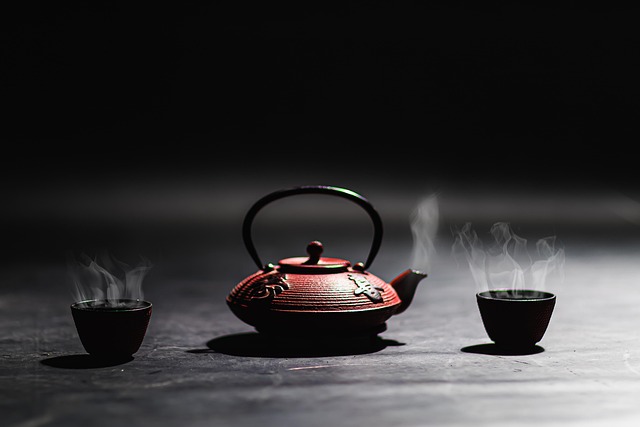
The Potential Health Benefits of Ginger Tea
Ginger tea is a beverage that has been consumed for centuries due to its potential health benefits. One of the main advantages of ginger tea is its ability to reduce nausea and improve digestion. Many people find relief from symptoms of motion sickness, morning sickness, and digestive issues by incorporating ginger tea into their daily routine.
In addition, ginger tea contains compounds with anti-inflammatory properties that may help reduce inflammation in the body. This can be beneficial for individuals suffering from conditions such as arthritis or sore muscles. Furthermore, some research suggests that ginger tea may aid in regulating blood sugar levels, making it a potential ally for individuals with diabetes or those looking to manage their blood sugar levels.
Overall, ginger tea offers a range of potential health benefits, from aiding digestion to reducing inflammation and managing blood sugar levels. It is important to note, however, that while ginger tea can be a beneficial addition to a balanced diet, it should not be considered a cure-all. As with any herbal remedy, it is always advisable to consult with a healthcare professional before incorporating ginger tea into your routine, especially if you have any underlying health conditions or are taking medications.
Quantity Matters: How Much Ginger Tea Should You Drink?
Many people enjoy the invigorating taste and soothing effects of ginger tea, but how much should you drink to experience its potential benefits? The answer may depend on various factors such as your overall health, individual tolerance, and the purpose of consuming ginger tea. It is generally recommended to start with a small amount and gradually increase the quantity if desired. One to two cups of ginger tea per day is considered a safe and moderate intake for most individuals.
However, it’s important to note that excessive consumption of ginger tea may lead to certain side effects, such as digestive discomfort or interactions with certain medications. If you have any pre-existing medical conditions or are currently taking medications, it’s always best to consult with a healthcare professional before incorporating ginger tea into your daily routine. They can provide tailored advice based on your specific circumstances and help determine the appropriate quantity of ginger tea for you. As with any herbal beverage, moderation is key to reaping the potential benefits of ginger tea while ensuring your well-being.
The Potential Side Effects of Ginger Tea
Although ginger tea is generally considered safe for most people, it is important to be aware of the potential side effects that may occur. One possible side effect is digestive discomfort, such as heartburn, stomach upset, or diarrhea. These symptoms are usually mild and temporary, but if they persist or worsen, it is advisable to reduce or discontinue consumption of ginger tea.
In some cases, ginger tea may also interact with certain medications. For instance, it can interfere with blood clotting and may increase the risk of bleeding in individuals who are taking blood thinners. Additionally, ginger tea may lower blood pressure and blood sugar levels, so people with hypotension or diabetes should monitor their levels closely when consuming ginger tea. It is advisable to consult with a healthcare professional if you have any underlying health conditions or take medication regularly to ensure that ginger tea is safe for you to consume.

Ginger Tea and Its Effect on Digestion
Ginger tea has long been touted for its potential benefits on digestion. It is believed to aid in relieving various digestive issues such as nausea, bloating, and indigestion. The active compounds in ginger, particularly gingerol, have been suggested to stimulate the production of digestive enzymes, enhancing the breakdown and absorption of food. Furthermore, ginger tea is thought to have a calming effect on the gastrointestinal muscles, which may help to alleviate spasms and reduce discomfort associated with digestive disorders. However, it is important to note that individual responses to ginger tea may vary, and it is always advisable to consult with a healthcare professional before incorporating it into your routine.
Additionally, anecdotal evidence suggests that consuming ginger tea before or after meals may promote better digestion. Some people find that drinking a cup of ginger tea prior to a meal helps to stimulate the appetite and prepare the digestive system for food intake. Others prefer to have ginger tea after meals as it is believed to aid in reducing bloating and promoting the smooth movement of food through the digestive tract. As with any dietary change, it is crucial to listen to your body’s response and adjust your ginger tea consumption accordingly.
Ginger Tea and Its impact on Inflammation
Ginger tea has gained attention for its potential impact on inflammation. Inflammation is the body’s natural response to injury or infection, but chronic inflammation can contribute to the development of various health conditions, including heart disease, arthritis, and certain types of cancer. Some studies suggest that ginger tea may help reduce inflammation by inhibiting the production of certain inflammatory markers in the body. However, more research is needed to fully understand the extent of ginger tea’s anti-inflammatory properties and its effectiveness in different individuals.
In addition to its potential anti-inflammatory effects, ginger tea may also provide relief for individuals with inflammatory conditions such as osteoarthritis. Some research suggests that the gingerol compounds present in ginger may have analgesic and anti-inflammatory properties, which can help alleviate pain and reduce inflammation in the joints. However, it is important to note that ginger tea should not be seen as a substitute for medical treatment, and individuals with chronic inflammation or specific medical conditions should consult with their healthcare provider before incorporating ginger tea into their regimen.
Ginger Tea and Its Potential Effects on Blood Sugar Levels
Ginger tea has been widely recognized for its potential benefits, including its effect on blood sugar levels. Some studies suggest that ginger may help regulate blood sugar levels by increasing insulin sensitivity and reducing insulin resistance. This is particularly promising for individuals with diabetes or those at risk of developing the condition. However, it is essential to note that more research is needed to fully understand the extent of ginger tea’s impact on blood sugar levels and its long-term effects.
It is worth mentioning that while ginger tea shows promise in maintaining healthy blood sugar levels, it should not be seen as a standalone treatment for diabetes. It is important to follow a comprehensive treatment plan that includes monitoring blood sugar levels, adopting a balanced diet, engaging in regular physical activity, and taking any prescribed medications. Additionally, it is advisable for individuals with diabetes or other underlying health conditions to consult with their healthcare provider before incorporating ginger tea into their routine, as it may interact with certain medications or have contraindications in specific cases.

Ginger Tea and Its Possible Interactions with Medications
Ginger tea is a popular herbal beverage with potential health benefits. However, it is important to note that ginger tea may interact with certain medications. It is advisable to consult with a healthcare professional before consuming ginger tea if you are taking any medications to ensure there are no adverse effects or interactions.
Some studies suggest that ginger may enhance the effects of certain medications, while others indicate that it may interfere with their absorption or metabolism in the body. For example, ginger tea may interact with blood-thinning medications, such as warfarin, increasing the risk of bleeding. Similarly, ginger tea may affect the efficacy of antidiabetic medications by lowering blood sugar levels. Therefore, individuals taking these medications should exercise caution and seek medical advice before incorporating ginger tea into their routine.
In summary, while ginger tea offers potential health benefits, it is important to consider possible interactions with medications. It is always best to consult with a healthcare professional to ensure the safe and appropriate use of ginger tea in conjunction with any medications you may be taking.
Ginger Tea and Its Influence on Pregnancy and Breastfeeding
Ginger tea is a popular beverage known for its potential health benefits. However, when it comes to pregnancy and breastfeeding, it is essential to exercise caution. While ginger is generally considered safe for consumption during pregnancy, it is recommended to consult with a healthcare professional before incorporating ginger tea into your routine. This is because ginger has been known to stimulate the uterus and could potentially lead to complications in some cases. Additionally, ginger tea may also affect breast milk production, although there is limited research in this area. It is advisable to speak with your healthcare provider to determine whether ginger tea is suitable for you during pregnancy and breastfeeding.
During pregnancy and breastfeeding, it is crucial to prioritize the safety and well-being of both the mother and the baby. As with any herbal tea or supplement, it is always wise to exercise caution and seek professional advice. While ginger tea has been traditionally used to alleviate nausea and digestive discomfort during pregnancy, it is essential to be aware of potential risks. It is worth noting that the effects of ginger tea may vary from person to person, and what works for one individual may not be suitable for another. Therefore, it is important to have an open and honest discussion with a healthcare provider before incorporating ginger tea into your prenatal or breastfeeding routine.
Finding the Right Balance: Moderation in Ginger Tea Consumption
Ginger tea can be a refreshing and flavorful beverage that offers a multitude of potential health benefits. However, as with any type of herbal tea, it is important to consume it in moderation. While ginger is generally considered safe when used in culinary amounts, excessive consumption of ginger tea may lead to certain side effects.
One key consideration when finding the right balance in ginger tea consumption is to be mindful of the potential interaction with medications. Ginger may interact with certain medications, such as blood thinners and anticoagulants, increasing the risk of bleeding. It is crucial to consult with a healthcare professional before incorporating ginger tea into your routine if you take any medications regularly. Additionally, pregnant women and those who are breastfeeding should exercise caution and speak with their healthcare provider as ginger tea may have an impact on these stages of life. Moderation in ginger tea consumption is essential to ensure the desired effects are realized while minimizing any potential risks.
What is ginger tea?
Ginger tea is a hot beverage made by steeping ginger root in hot water. It is known for its distinct spicy flavor and numerous potential health benefits.
What are the potential health benefits of ginger tea?
Ginger tea has been associated with various health benefits, including improved digestion, reduced inflammation, potential regulation of blood sugar levels, and potential relief from nausea and vomiting.
How much ginger tea should I drink?
The recommended amount of ginger tea consumption varies depending on individual factors and health conditions. It is generally suggested to limit ginger tea intake to 4 grams per day to avoid potential side effects.
What are the potential side effects of ginger tea?
While ginger tea is generally safe for most people, excessive consumption can lead to side effects such as heartburn, stomach discomfort, diarrhea, and allergic reactions. It is important to consume ginger tea in moderation.
How does ginger tea affect digestion?
Ginger tea is believed to promote healthy digestion by stimulating the digestive tract, relieving indigestion, and reducing bloating and gas.
Can ginger tea help with inflammation?
Ginger tea contains anti-inflammatory compounds that may help reduce inflammation in the body, potentially offering relief to individuals with conditions such as arthritis.
Does ginger tea affect blood sugar levels?
Some studies suggest that ginger tea may help regulate blood sugar levels by increasing insulin sensitivity. However, more research is needed to establish a definitive association.
Are there any medication interactions with ginger tea?
Ginger tea may interact with certain medications, such as blood thinners and diabetes medications. It is important to consult with a healthcare professional before consuming ginger tea if you are taking any medications.
Can pregnant women and breastfeeding mothers consume ginger tea?
Pregnant women and breastfeeding mothers should exercise caution when consuming ginger tea. While small amounts are generally considered safe, excessive intake may pose risks. It is advisable to consult with a healthcare professional before consuming ginger tea during pregnancy or while breastfeeding.
How should ginger tea be consumed in moderation?
To maintain a balanced consumption, it is recommended to limit ginger tea intake to 1-2 cups per day and avoid exceeding 4 grams of ginger root per day. Moderation and individual tolerance are key factors to consider.


