
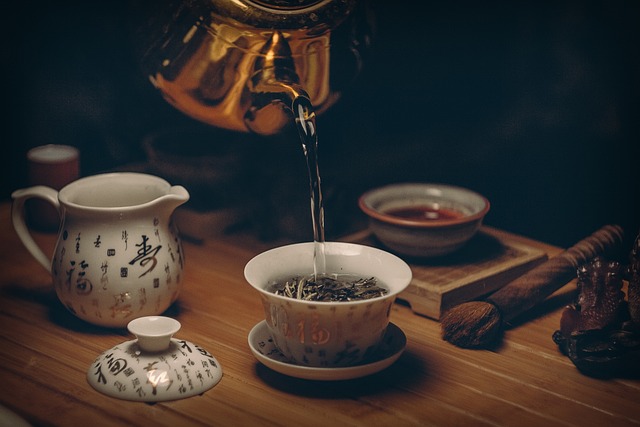
Is Drinking Tea Safe During Pregnancy?
There is ongoing debate surrounding the safety of drinking tea during pregnancy. While tea generally contains lower levels of caffeine compared to coffee, it is still important for pregnant women to exercise caution. Certain types of tea, such as herbal teas, may have varying effects on pregnancy, making it essential to carefully consider which types of tea to consume during this time. Consulting with a healthcare provider is recommended to ensure that drinking tea is safe for both the mother and the developing fetus.
It is important to note that the potential benefits of drinking tea during pregnancy should be weighed against any potential risks. Tea, especially herbal teas, can provide a range of health benefits, including relieving pregnancy-related discomforts like nausea and promoting relaxation. However, some teas may contain ingredients that could be potentially harmful to the developing baby. It is essential for pregnant women to be aware of the composition of the teas they consume and seek guidance from their healthcare provider to make informed decisions regarding tea consumption during pregnancy.
Different Types of Tea and Their Effects on Pregnancy
When it comes to tea consumption during pregnancy, it is important to understand the different types of tea and their potential effects on pregnancy. Green tea, for example, is known for its high antioxidant content and potential benefits for overall health. However, it may also contain caffeine, which should be consumed in moderation during pregnancy. Similarly, black tea is another popular choice, but it also contains caffeine and may have a diuretic effect. Herbal teas, on the other hand, are usually caffeine-free and can offer a variety of flavors and potential benefits. However, it’s crucial to remember that not all herbal teas are safe during pregnancy, and some may even have adverse effects on fetal development.
Potential Benefits of Drinking Tea During Pregnancy
Drinking tea during pregnancy has been associated with potential benefits for expectant mothers. Firstly, certain types of tea, such as green tea, contain high levels of antioxidants. These antioxidants may help in boosting the immune system and protecting the body against oxidative stress. Additionally, some studies suggest that certain teas, like chamomile tea, could help in reducing anxiety and promoting relaxation, which may be beneficial for pregnant women experiencing stress or difficulty sleeping. However, it is important to note that these potential benefits are not definitive, and more research is needed to fully understand the effects of tea consumption during pregnancy.
Potential Risks of Drinking Tea During Pregnancy
Drinking tea during pregnancy may pose potential risks that expectant mothers should be aware of. One concern is the caffeine content found in many types of tea. Caffeine is a stimulant that can cross the placenta and affect the developing fetus. It is recommended to limit caffeine intake during pregnancy, and certain types of tea can contain significant amounts of caffeine. This could potentially lead to increased heart rate and blood pressure in both the mother and the baby, which may be concerning for those with pre-existing medical conditions or a history of pregnancy complications. It is advisable to opt for caffeine-free or decaffeinated tea options to reduce the risk of these potential complications during pregnancy.
Furthermore, certain herbal teas should be approached with caution during pregnancy. While herbal teas are often perceived as natural and safe, some can have adverse effects on pregnancy. For example, herbal teas that contain ingredients such as chamomile, peppermint, or ginger should be consumed in moderation or avoided altogether. These herbs have been associated with potential uterine stimulant effects, which could increase the risk of preterm labor or miscarriage. As always, it is crucial to consult with a healthcare provider before consuming any herbal teas to ensure their safety during pregnancy.
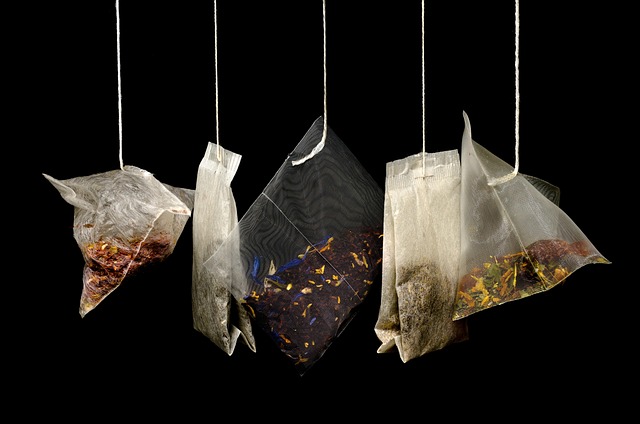
Caffeine Content in Tea and Its Impact on Pregnancy
Caffeine is a stimulant that is naturally present in tea and other beverages. It is important for pregnant women to be mindful of their caffeine intake as it can potentially have an impact on the developing fetus. While moderate consumption of caffeine is generally considered safe during pregnancy, excessive consumption can lead to increased heart rate, high blood pressure, and even miscarriage. Therefore, it is advisable for pregnant women to monitor their tea intake and opt for decaffeinated or low-caffeine options whenever possible.
It is worth noting that different types of tea can vary greatly in their caffeine content. For example, black tea is typically higher in caffeine compared to green tea or herbal teas. Additionally, factors such as the brewing time and temperature can also influence the caffeine content in a cup of tea. To ensure a lower caffeine intake, pregnant women may consider opting for teas with naturally lower levels of caffeine or steeping their tea for a shorter amount of time. Ultimately, consulting with a healthcare provider is recommended to determine the appropriate amount of caffeine intake during pregnancy based on individual circumstances.
Herbal Tea and Its Safety During Pregnancy
Herbal tea, often made from various plant leaves, flowers, and seeds, has long been known for its potential health benefits. However, when it comes to pregnancy, the safety of consuming herbal tea becomes a major concern for expectant mothers. While some herbal teas are considered safe to consume during pregnancy, others may pose potential risks.
Certain herbal teas, such as ginger tea, chamomile tea, and peppermint tea, are generally regarded as safe for pregnant women when consumed in moderation. These teas are known for their soothing properties and may provide relief from common pregnancy symptoms such as nausea and indigestion. However, it is important for pregnant women to consult with their healthcare provider before incorporating any herbal tea into their daily routine, as individual circumstances and medical conditions can vary. Additionally, it is crucial to ensure that the herbal tea is sourced from a reputable brand and is free from contaminants or added ingredients that could be harmful during pregnancy.
Recommended Tea Intake During Pregnancy
The recommended tea intake during pregnancy varies depending on various factors, including the type of tea consumed and individual health considerations. While moderate tea consumption is generally considered safe during pregnancy, it is important to exercise caution and consume tea in moderation.
The American Pregnancy Association advises that pregnant women limit their caffeine intake to no more than 200 milligrams per day. This includes the caffeine content found in tea. Therefore, when choosing to consume tea during pregnancy, it is crucial to be aware of the caffeine levels in different types of tea as it can vary significantly.
Tea Alternatives for Pregnant Women
Some pregnant women may choose to avoid drinking tea altogether during pregnancy due to concerns about caffeine or other potential risks. However, if you are looking for alternatives to tea, there are plenty of other beverage options that can be both enjoyable and beneficial for expectant mothers. Water, for example, is always a safe and hydrating choice. It is essential to stay well-hydrated during pregnancy, and water provides the necessary fluids without any additional additives or risks. Additionally, natural fruit juices can be a refreshing and nutritious alternative to tea, as they offer natural sugars and vitamins that are beneficial for both the mother and the developing baby.
Consulting with a Healthcare Provider about Tea Consumption During Pregnancy
It is always advised to consult with a healthcare provider before making any changes to your diet during pregnancy. This includes seeking their guidance on tea consumption. Every pregnancy is unique, and it is important to discuss your specific circumstances with a healthcare professional. They can provide personalized advice based on your health history, current conditions, and any potential risks associated with consuming tea during pregnancy. Consulting with a healthcare provider will ensure that you make informed choices that prioritize your well-being and the health of your baby.
A healthcare provider can help you understand the potential risks and benefits of drinking tea during pregnancy. They can educate you on the caffeine content in different types of tea and its impact on your pregnancy. They can also guide you on the safety of consuming herbal tea, which may contain ingredients that could be harmful during pregnancy. By discussing tea consumption with a healthcare provider, you can gain a better understanding of the recommended intake of tea and identify any alternatives that may be more suitable for your pregnancy journey. Remember, open communication with your healthcare provider is key in making decisions that support your health and the well-being of your baby.
Other Factors to Consider When Drinking Tea During Pregnancy
In addition to the potential benefits and risks of drinking tea during pregnancy, there are several other factors that should be taken into consideration. Firstly, it is important to note the quality and source of the tea. Organic or natural teas are generally a safer choice, as they are free from harmful pesticides and chemicals that could pose a potential risk to both mother and baby. Additionally, the brewing method and temperature of the tea should be considered. It is recommended to brew tea at a lower temperature to minimize the release of tannins, which can interfere with the absorption of certain nutrients.
Furthermore, the timing of tea consumption during pregnancy is another factor to consider. Drinking tea too close to meal times may hinder the body’s ability to absorb iron and other essential nutrients from food. It is advisable to wait at least one hour after a meal before consuming tea. Moreover, pregnant women should be mindful of the overall caffeine intake from tea and other sources, as excessive caffeine consumption can have adverse effects on pregnancy outcomes. Lastly, consulting with a healthcare provider is crucial to ensure personalized advice that takes into account any existing health conditions or medications that may interact with tea components. It is important to remember that every pregnancy is unique, and what works for one woman may not necessarily be suitable for another.
Is drinking tea safe during pregnancy?
Yes, in moderation. It is generally safe to drink tea during pregnancy, but there are certain factors to consider.
What are the different types of tea and their effects on pregnancy?
Various types of tea, such as green tea, black tea, and herbal tea, can have different effects on pregnancy. It’s important to understand their potential benefits and risks.
What are the potential benefits of drinking tea during pregnancy?
Drinking tea during pregnancy can provide antioxidants, hydration, and certain nutrients that may be beneficial for both the mother and the baby.
What are the potential risks of drinking tea during pregnancy?
Some risks of drinking tea during pregnancy include caffeine intake, possible interference with nutrient absorption, and the potential presence of harmful substances in certain herbal teas.
How does the caffeine content in tea impact pregnancy?
Caffeine in tea, especially in excessive amounts, can have negative effects on pregnancy, such as increased risk of miscarriage, preterm birth, and low birth weight.
Is herbal tea safe to drink during pregnancy?
It is important to be cautious when consuming herbal tea during pregnancy, as certain herbs can have adverse effects on pregnancy. It’s best to consult with a healthcare provider about specific herbal teas.
What is the recommended tea intake during pregnancy?
It is generally recommended to limit tea intake to moderate amounts, around 1-2 cups per day, and to opt for decaffeinated or low-caffeine options.
Are there any tea alternatives for pregnant women?
Yes, there are alternative beverages that pregnant women can enjoy, such as decaffeinated tea, herbal infusions, or warm water with lemon.
Should I consult with a healthcare provider about tea consumption during pregnancy?
Yes, it is always advisable to consult with a healthcare provider about your specific circumstances and any concerns regarding tea consumption during pregnancy.
What are other factors to consider when drinking tea during pregnancy?
Other factors to consider include the quality and source of the tea, the brewing method, potential interactions with medications, and any personal sensitivities or allergies.


