

Health Benefits of Regular Green Tea Consumption
Green tea has long been touted for its numerous health benefits, making it a popular beverage choice for many individuals. One of the key advantages of regular green tea consumption is its potential to improve brain function. The presence of caffeine in green tea can help enhance cognitive performance, increasing alertness and focus. Additionally, green tea contains an amino acid called L-theanine, which has been found to promote relaxation and reduce anxiety. These combined effects of caffeine and L-theanine can contribute to improved brain function and increased mental clarity.
In addition to its impact on brain health, regular green tea consumption has also been associated with a reduced risk of cardiovascular diseases. Research suggests that the antioxidants found in green tea, such as catechins and flavonoids, can help lower levels of cholesterol and triglycerides in the blood, reducing the risk of heart disease. Moreover, green tea may also help in improving the health of blood vessels, reducing inflammation, and supporting healthy blood pressure levels. These cardiovascular benefits make green tea an excellent choice for individuals looking to maintain a healthy heart and reduce the risk of cardiovascular illnesses.
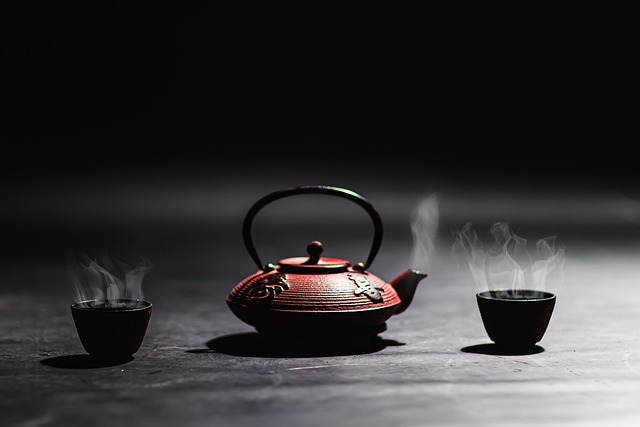
Understanding the Nutritional Value of Green Tea
Green tea has long been admired for its numerous health benefits. One of the primary reasons green tea is so highly regarded is because of its impressive nutritional value. Packed with antioxidants, green tea is a rich source of polyphenols, catechins, and flavonoids. These compounds have been shown to have powerful health-promoting properties, such as reducing the risk of chronic diseases including heart disease, cancer, and diabetes. Additionally, green tea is a good source of important vitamins and minerals, including vitamin C, vitamin E, and magnesium, which are essential for overall health and wellbeing.
Another notable attribute of green tea is its low calorie and sugar content. This makes it a great beverage choice for those who are watching their weight or managing a calorie-controlled diet. Moreover, green tea contains caffeine, which can provide a gentle energy boost and improve mental alertness without the jitters often associated with coffee. The combination of caffeine and other natural compounds found in green tea may also help enhance metabolism and promote fat oxidation, making it a popular choice among individuals looking to support their weight loss efforts. Overall, understanding the nutritional value of green tea highlights its potential to contribute to a balanced and healthy lifestyle.
Exploring the Various Types of Green Tea Available
Green tea is known for its diverse range of flavors and unique characteristics, which can vary depending on the type of green tea you choose. One popular type is sencha, a traditional Japanese green tea that offers a slightly grassy and refreshing taste. It is steamed to preserve its natural vibrant green color and contains high levels of antioxidants.
Another type of green tea is matcha, a powdered green tea that is renowned for its intense flavor and vibrant green color. Matcha is made by grinding the entire tea leaf into a fine powder, allowing you to consume the entire tea leaf and benefit from its rich nutrients. It has a slightly sweet and creamy taste, making it a popular choice for tea ceremonies in Japan and for those looking for a more concentrated green tea experience.
With so many types of green tea available, each offering its own unique flavor profile and health benefits, you can explore and discover the one that suits your taste preferences and health goals. Whether you prefer a grassy, refreshing sencha or a bold and intense matcha, incorporating green tea into your daily routine is a flavorful and nutritious way to enjoy all that this versatile beverage has to offer.
How Green Tea Can Boost Your Immune System
Green tea has long been celebrated for its numerous health benefits, including its potential to boost the immune system. Packed with powerful antioxidants, green tea can help protect the body against harmful free radicals that can damage cells and weaken the immune system. These antioxidants, such as epigallocatechin gallate (EGCG), play a key role in reducing inflammation and strengthening the body’s natural defense mechanisms.
Not only does green tea provide antioxidants, but it also contains a variety of vitamins and minerals that support a strong immune system. It is rich in catechins, which have been found to have antimicrobial properties, helping to fight off bacteria and viruses. Additionally, green tea contains vitamin C, vitamin E, and vitamin B, all of which are essential for maintaining a healthy immune system. By incorporating green tea into your daily routine, you may be able to give your immune system an extra boost and better protect yourself against illnesses and infections.

The Role of Green Tea in Weight Management
The Role of Green Tea in Weight Management
Green tea has long been considered a popular beverage in many parts of the world. Aside from its unique flavor and soothing effects, green tea is widely known for its potential role in weight management. Studies have suggested that the consumption of green tea may aid in weight loss and the reduction of body fat.
One of the main reasons why green tea is believed to be beneficial for weight management is its thermogenic properties. Green tea contains catechins, a type of antioxidant that has been shown to increase metabolism and fat oxidation. This means that drinking green tea may help the body burn calories more efficiently, promoting weight loss over time. Additionally, green tea has been found to suppress appetite and decrease the absorption of dietary fat, further supporting its role in weight management.
Green Tea as a Natural Source of Antioxidants
Green tea is not only a popular beverage around the world, but it is also known for its numerous health benefits. One of its most renowned attributes is its high antioxidant content. Antioxidants are compounds that help protect the body from damage caused by harmful molecules called free radicals. Green tea contains a powerful group of antioxidants known as catechins, particularly epigallocatechin gallate (EGCG), which is believed to be the most abundant and potent antioxidant in green tea. These antioxidants work by neutralizing the free radicals, preventing them from causing oxidative stress and damage to cells and tissues.
The consumption of green tea as a natural source of antioxidants has been linked to a range of health benefits. Studies have suggested that regular intake of green tea may help reduce the risk of chronic diseases, such as heart disease and certain types of cancer. The antioxidants present in green tea may also contribute to the improvement of overall skin health by protecting against skin aging and damage caused by UV rays. Additionally, the antioxidant properties of green tea have been associated with improved brain function and a reduced risk of neurodegenerative diseases like Alzheimer’s and Parkinson’s. Overall, incorporating green tea into your daily routine can offer a delicious way to boost your antioxidant intake and support your overall health.
Examining the Potential Side Effects of Drinking Green Tea
Green tea is generally considered safe for most people when consumed in moderate amounts. However, it is important to be aware of potential side effects that may occur in some individuals. One of the most commonly reported side effects of green tea is related to its caffeine content. While green tea contains less caffeine compared to coffee, excessive consumption can still lead to symptoms such as increased heart rate, jitteriness, and difficulty sleeping.
In addition, some people may experience digestive issues such as stomach upset, nausea, or constipation after consuming green tea. This could be attributed to its high content of tannins, which may irritate the digestive system in some individuals. It is worth noting that these side effects are usually mild and temporary, and can often be avoided by consuming green tea in moderation and not on an empty stomach. However, if you experience any persistent or severe side effects after drinking green tea, it is important to consult with a healthcare professional for further evaluation and guidance.

Incorporating Green Tea into Your Daily Routine
Green tea has gained popularity among health-conscious individuals due to its numerous health benefits. Incorporating green tea into your daily routine can be a simple and effective way to improve your overall well-being. One easy way to start is by replacing your morning coffee with a cup of green tea. Not only does green tea provide a gentle energy boost, but it also contains less caffeine than coffee, which can leave you feeling less jittery and anxious throughout the day. Additionally, the antioxidants found in green tea may help protect your cells from damage, supporting healthy aging and overall vitality.
Another way to incorporate green tea into your daily routine is by making it a part of your hydration strategy. Instead of reaching for sugary sodas or energy drinks, why not enjoy a refreshing glass of iced green tea? You can brew a large batch and store it in the refrigerator for quick and convenient hydration throughout the day. Not only will this help quench your thirst, but it will also provide you with a dose of antioxidants that can contribute to your overall health. Adding a slice of lemon or a sprig of fresh mint can enhance the flavor and make it even more enjoyable.
Tips for Brewing the Perfect Cup of Green Tea
To brew the perfect cup of green tea, start by using fresh, filtered water. The quality of the water you use can greatly affect the flavor of the tea. Next, heat the water to the ideal temperature for green tea, which is around 160-180°F (70-82°C). Boiling water can actually extract more bitterness from the tea leaves, so it’s best to avoid using boiling water.
Once the water is at the right temperature, place the green tea leaves in a teapot or infuser. The general rule of thumb is to use about 1 teaspoon of loose tea leaves for every cup of water. Allow the tea to steep for about 2-3 minutes, but be mindful not to overbrew it as it may become bitter. Lastly, pour your brewed green tea into a teacup and enjoy the delicate flavors and aromas that this refreshing beverage has to offer.
Exploring Other Herbal Teas as Alternatives to Green Tea
Herbal teas are not only a soothing beverage option but also offer a multitude of health benefits. If you are looking for alternatives to green tea, there is a wide variety of herbal teas to explore. One popular choice is chamomile tea. Known for its calming properties, chamomile tea can help promote relaxation and relieve anxiety. It is often enjoyed before bedtime to enhance sleep quality. Additionally, chamomile tea is believed to have anti-inflammatory properties and can aid digestion.
Another herbal tea to consider is peppermint tea. With its refreshing and invigorating flavor, peppermint tea can provide relief from digestive issues such as bloating, indigestion, and gas. It is also known to have menthol, which can help alleviate symptoms of a sore throat and congestion. Peppermint tea is an excellent choice for those looking for a caffeine-free alternative that still offers a delightful taste and a range of potential health benefits.
Exploring the world of herbal teas as alternatives to green tea can introduce you to a whole new realm of flavors and potential health benefits. Whether you prefer the calming and soothing qualities of chamomile tea or the invigorating freshness of peppermint tea, there is a herbal tea for everyone’s taste preference. So, next time you reach for a hot cup of tea, consider going beyond green tea and explore the vast array of herbal alternatives available.
What are the health benefits of regular green tea consumption?
Regular green tea consumption has been associated with numerous health benefits, including improved brain function, reduced risk of cardiovascular diseases, enhanced weight management, and a lower risk of certain types of cancer.
What is the nutritional value of green tea?
Green tea is rich in antioxidants, polyphenols, and catechins, which provide various health benefits. It also contains small amounts of minerals, such as calcium, potassium, and magnesium.
What are the different types of green tea available?
There are several types of green tea available, including sencha, matcha, gyokuro, and bancha. Each type has its own unique flavor profile and brewing method.
How can green tea boost your immune system?
Green tea contains compounds that have been shown to enhance the activity of immune cells, helping to strengthen the immune system and reduce the risk of infections and illnesses.
Can green tea help with weight management?
Green tea has been found to boost metabolism and increase fat oxidation, making it a potential aid in weight management. However, it is not a magical solution and should be combined with a healthy diet and exercise.
How does green tea act as a natural source of antioxidants?
Green tea is rich in antioxidants, such as epigallocatechin gallate (EGCG), which help to neutralize harmful free radicals in the body and protect cells from damage.
Are there any potential side effects of drinking green tea?
While green tea is generally safe for most people, excessive consumption may lead to side effects such as caffeine sensitivity, digestive issues, and interference with nutrient absorption. It is best to consume green tea in moderation.
How can I incorporate green tea into my daily routine?
You can start by replacing your regular beverages with green tea, such as having it instead of coffee in the morning or as an afternoon pick-me-up. You can also use green tea as a base for smoothies or incorporate it into recipes for added flavor and health benefits.
What are some tips for brewing the perfect cup of green tea?
To brew the perfect cup of green tea, use water that is around 175°F, steep the tea for 2-3 minutes, and avoid over-steeping to prevent bitterness. Also, make sure to use high-quality loose leaf green tea for the best flavor.
What are some alternative herbal teas to green tea?
Some alternative herbal teas that you can try as alternatives to green tea include chamomile tea, peppermint tea, ginger tea, hibiscus tea, and rooibos tea. Each of these teas offers unique flavors and potential health benefits.


