
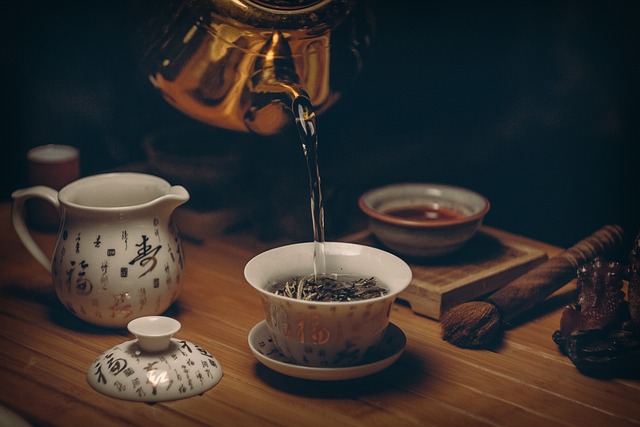
Hibiscus Tea: A Natural Remedy for High Blood Pressure
Hibiscus tea, derived from the Hibiscus sabdariffa plant, has gained significant attention for its potential role in managing high blood pressure. High blood pressure, also known as hypertension, affects millions of people worldwide and is associated with an increased risk of heart disease and stroke. While lifestyle modifications and medications are commonly used to control blood pressure, many individuals are seeking natural remedies to complement their existing treatment plan.
Research suggests that hibiscus tea may have a positive impact on blood pressure levels. Studies have shown that consuming hibiscus tea regularly may lead to a modest reduction in systolic and diastolic blood pressure. The mechanism behind this effect is believed to be related to the tea’s ability to relax blood vessels and increase urine output, thereby promoting lower blood pressure. However, it is important to note that the evidence on hibiscus tea’s effectiveness in blood pressure management is still limited, and further research is needed to fully understand its potential benefits.
Understanding High Blood Pressure: Causes and Health Risks
High blood pressure, also known as hypertension, is a common and potentially serious health condition. It occurs when the force of blood against the walls of the arteries is consistently too high. There are several factors that can contribute to the development of high blood pressure, including age, genetics, and lifestyle choices. As we age, our blood vessels become less flexible and more prone to narrowing, which can increase blood pressure. Additionally, having a family history of high blood pressure can significantly increase your risk of developing the condition. Lifestyle choices such as a diet high in salt and unhealthy fats, lack of physical activity, and smoking can also contribute to high blood pressure.
Having high blood pressure can have a range of negative health effects. One of the most concerning risks is the increased strain it puts on the heart and blood vessels. Over time, this can lead to damage and thickening of the arterial walls, making it harder for blood to flow through the body. High blood pressure is also a major risk factor for heart disease and stroke. When the blood vessels become narrowed or blocked due to the buildup of plaque, the heart has to work even harder to pump blood, increasing the risk of heart attack and stroke. Additionally, high blood pressure can lead to damage to other organs such as the kidneys and eyes, and can contribute to the development of other serious conditions such as diabetes and dementia.
Exploring the Link Between Hibiscus Tea and Blood Pressure Reduction
Hibiscus tea has long been touted for its potential health benefits, particularly in relation to blood pressure reduction. Several studies have been conducted to explore the link between hibiscus tea and its effect on blood pressure. These studies have shown promising results, suggesting that regular consumption of hibiscus tea may indeed help to lower blood pressure levels in individuals with hypertension.
One study published in the Journal of Human Hypertension found that drinking hibiscus tea twice a day for six weeks significantly lowered both systolic and diastolic blood pressure in participants with mild to moderate hypertension. Another study published in the Journal of Nutrition reported that consuming hibiscus tea three times a day for six weeks resulted in a significant decrease in systolic blood pressure among individuals with prehypertension or mild hypertension. These findings suggest that incorporating hibiscus tea into one’s daily routine may be a natural and effective way to manage blood pressure levels.
The Science Behind Hibiscus Tea’s Potential Effects on Blood Pressure
Hibiscus tea has gained attention in recent years for its potential effects on blood pressure. Research suggests that hibiscus tea may help lower both systolic and diastolic blood pressure values. This is believed to be due to the presence of bioactive compounds, such as anthocyanins and polyphenols, which have been shown to have antioxidant and anti-inflammatory properties. These compounds contribute to the relaxation of blood vessels, promoting better blood flow and potentially reducing blood pressure.
In a study published in the Journal of Hypertension, researchers found that consuming hibiscus tea led to a significant decrease in both systolic and diastolic blood pressure in individuals with pre- and mild hypertension. The study participants consumed hibiscus tea daily for a period of 6 weeks, and their blood pressure values were measured at the start and end of the study. The results showed a noticeable reduction in blood pressure after the 6-week period, suggesting that hibiscus tea could be an effective method for blood pressure management. However, further research is still needed to fully understand the mechanisms behind these potential effects and to determine the optimal dosage and duration of hibiscus tea consumption for blood pressure control.
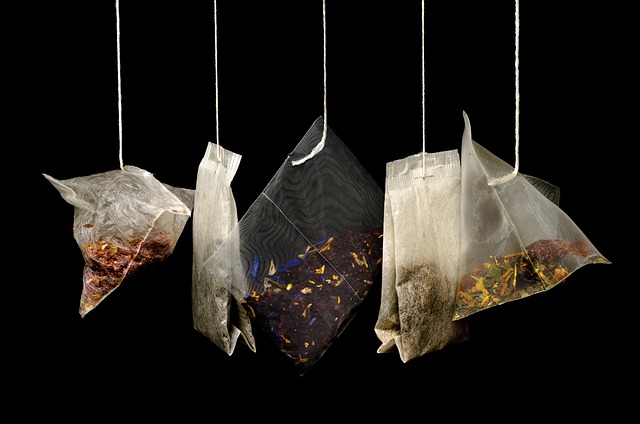
Research Findings: Hibiscus Tea as an Effective Method for Blood Pressure Management
Hibiscus tea has been gaining attention for its potential role in managing blood pressure. Several studies have explored the effects of hibiscus tea on blood pressure and have found promising results. For instance, a study conducted on 65 adults with high blood pressure revealed that drinking hibiscus tea twice daily for six weeks led to a significant reduction in both systolic and diastolic blood pressure levels. Another study involving 31 participants found that consuming hibiscus tea extract for four weeks resulted in a notable decrease in systolic blood pressure.
Moreover, research has also suggested that hibiscus tea may offer additional benefits for cardiovascular health, such as improving cholesterol levels. A study carried out on 53 adults with metabolic syndrome, a cluster of conditions that increase the risk of heart disease, indicated that consuming hibiscus tea extract for 12 weeks resulted in reduced LDL cholesterol levels, commonly known as “bad” cholesterol. These findings highlight the potential of hibiscus tea as a natural and effective method for managing blood pressure and promoting overall cardiovascular health.
How to Incorporate Hibiscus Tea into Your Daily Routine for Maximum Benefits
Hibiscus tea can be a tasty and refreshing addition to your daily routine, and incorporating it into your lifestyle can help you maximize its benefits for your blood pressure. One simple way to enjoy hibiscus tea is to brew it using dried hibiscus petals or tea bags. Start by boiling water and adding the hibiscus petals or tea bags to a steeping vessel. Let it steep for about 5-10 minutes, depending on your preference for strength. Once it’s ready, you can strain the tea and enjoy it either warm or chilled.
Another way to incorporate hibiscus tea into your daily routine is by infusing it into other beverages. You can mix hibiscus tea with green tea, ginger tea, or even lemonade to create a refreshing and flavorful drink. Adding a squeeze of lemon or a sprinkle of honey can enhance the taste further. You can also experiment with adding hibiscus tea to smoothies or iced teas for a boost of flavor and potential blood pressure benefits. Remember to adjust the strength of the hibiscus tea according to your taste preferences, and feel free to get creative with your combinations. Just be mindful of any added sugars or ingredients that may counteract the potential benefits of hibiscus tea for your blood pressure.
Potential Side Effects and Precautions of Consuming Hibiscus Tea for Blood Pressure
Hibiscus tea is generally considered safe for most people when consumed in moderate amounts. However, there are a few potential side effects and precautions that should be taken into consideration. Some individuals may experience mild digestive issues such as stomach upset or diarrhea after consuming hibiscus tea. These side effects are usually temporary and subside on their own. It is also important to note that hibiscus tea may have a diuretic effect, meaning that it can increase urine production. Therefore, it is recommended to stay properly hydrated when consuming hibiscus tea to avoid dehydration.
Another precaution to keep in mind is the potential interaction of hibiscus tea with certain medications. Hibiscus tea has been shown to lower blood pressure, so if you are already taking medication for high blood pressure, it is important to consult with your healthcare provider before adding hibiscus tea to your routine. This is to ensure that the combination of the medication and hibiscus tea does not excessively lower your blood pressure. Additionally, hibiscus tea may interact with some medications metabolized by the liver, such as certain statin drugs and antiviral medications. It is advisable to check with your healthcare provider if you are taking any of these medications.
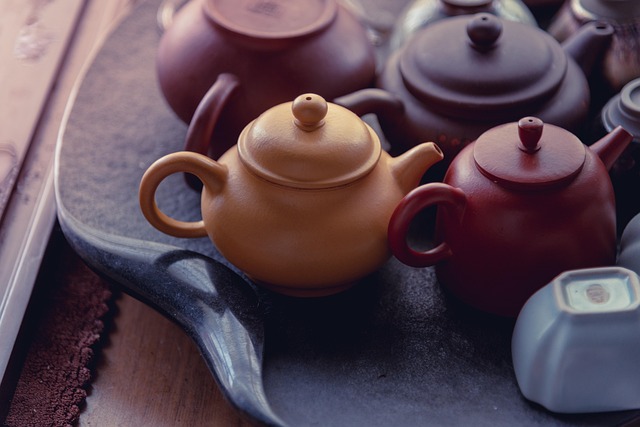
Tips for Choosing and Preparing Hibiscus Tea for Blood Pressure Control
When it comes to choosing and preparing hibiscus tea for blood pressure control, there are a few tips to keep in mind. Firstly, opt for organic hibiscus tea to ensure that it is free of any chemical additives or pesticides. Look for reputable brands that source their tea from trusted suppliers. Additionally, consider the form of hibiscus tea you prefer. You can find hibiscus tea in loose leaf form, tea bags, or even as a dried flower. Each form has its advantages, so choose one that suits your taste and convenience.
Once you have chosen your hibiscus tea, it’s time to prepare it. For loose leaf tea or dried flowers, use one to two teaspoons of hibiscus per cup of boiling water. Steep the tea for about 5 to 10 minutes, depending on how strong you like it. If you’re using tea bags, simply follow the instructions on the packaging. To enhance the flavor, you may add a natural sweetener like honey or stevia, but remember to keep sugar intake in moderation. Enjoy your hibiscus tea warm or chilled, and try incorporating it into your daily routine for maximum benefits.
Other Lifestyle Changes to Complement the Effects of Hibiscus Tea on Blood Pressure
Exercise plays a crucial role in maintaining a healthy blood pressure level and can be a powerful complement to the effects of hibiscus tea. Engaging in regular physical activity helps strengthen the heart, improve blood circulation, and reduce stress levels, all of which contribute to lower blood pressure. Aim for at least 30 minutes of moderate-intensity exercise, such as brisk walking, cycling, or swimming, most days of the week. Additionally, incorporating resistance training into your routine, such as weightlifting or bodyweight exercises, can further enhance cardiovascular health. Remember to consult with your healthcare provider before starting any new exercise program, especially if you have underlying health conditions.
In addition to exercise, adopting a well-balanced and nutritious diet can provide significant benefits for blood pressure management. Following a diet rich in fruits, vegetables, whole grains, lean proteins, and low-fat dairy products can promote heart health and help control blood pressure. Opt for foods that are low in sodium, as excessive salt intake can contribute to high blood pressure. Instead, season your meals with herbs, spices, and other flavor-enhancing alternatives. Additionally, limit your consumption of processed foods, sugary beverages, and saturated fats, as they can negatively impact cardiovascular health. Remember, making sustainable dietary changes takes time and effort, so start by gradually incorporating healthier options into your meals and snacks.
Maintaining a Healthy Blood Pressure Level: The Role of Hibiscus Tea and Beyond
Hibiscus tea has gained popularity as a natural remedy for maintaining a healthy blood pressure level. This vibrant herbal tea, derived from the petals of the hibiscus flower, has long been cherished for its potential health benefits. Studies suggest that regularly consuming hibiscus tea may have a positive effect on blood pressure, thanks to its rich content of antioxidants and other bioactive compounds. While further research is needed to fully understand the mechanisms behind this connection, incorporating hibiscus tea into your daily routine may serve as a complementary approach in managing blood pressure levels.
In addition to hibiscus tea, there are other lifestyle changes that can contribute to maintaining a healthy blood pressure. Implementing a balanced diet that is low in sodium and rich in fruits, vegetables, whole grains, and lean proteins is essential. Regular physical activity, such as walking, swimming, or cycling, can also be beneficial. Managing stress through relaxation techniques, such as deep breathing exercises or meditation, is another key component. Additionally, limiting alcohol consumption and avoiding tobacco products can have a positive impact on blood pressure levels. Remember, adopting a holistic approach that combines hibiscus tea with these lifestyle modifications may be the key to achieving and maintaining a healthy blood pressure level.
What is high blood pressure and what are the health risks associated with it?
High blood pressure, also known as hypertension, is a condition where the force of blood against the walls of the arteries is too high. If left uncontrolled, it can lead to serious health risks such as heart disease, stroke, kidney damage, and other cardiovascular complications.
Can hibiscus tea help in reducing high blood pressure?
Yes, hibiscus tea has shown potential in reducing high blood pressure. Several studies have indicated that regularly consuming hibiscus tea can lead to a significant decrease in blood pressure levels.
How does hibiscus tea help in lowering blood pressure?
The exact mechanism behind hibiscus tea’s ability to lower blood pressure is still being studied. However, it is believed that the tea’s high content of antioxidants, specifically anthocyanins, may play a role in promoting blood vessel relaxation and reducing inflammation.
Are there any research findings supporting the effectiveness of hibiscus tea for blood pressure management?
Yes, research studies have found hibiscus tea to be effective in managing blood pressure. For example, a study published in The Journal of Nutrition found that consuming hibiscus tea for six weeks led to a significant decrease in both systolic and diastolic blood pressure.
How can one incorporate hibiscus tea into their daily routine for maximum benefits?
To incorporate hibiscus tea into your daily routine, you can brew it using dried hibiscus flowers or purchase pre-packaged tea bags. Aim to consume 2-3 cups of hibiscus tea per day to maximize its potential benefits for blood pressure management.
Are there any side effects or precautions to consider when consuming hibiscus tea for blood pressure control?
While hibiscus tea is generally considered safe, it may cause certain side effects such as stomach discomfort, diarrhea, or dizziness in some individuals. People with low blood pressure or those taking medications should consult with a healthcare professional before consuming hibiscus tea.
Any tips for choosing and preparing hibiscus tea for blood pressure control?
When choosing hibiscus tea, opt for reputable brands that use high-quality dried hibiscus flowers. To prepare the tea, steep 1-2 teaspoons of dried hibiscus flowers or a hibiscus tea bag in hot water for 5-10 minutes. You can also add natural sweeteners like honey or stevia if desired.
Besides hibiscus tea, what other lifestyle changes can complement its effects on blood pressure?
Along with consuming hibiscus tea, it is important to adopt a healthy lifestyle. This includes maintaining a balanced diet low in sodium and saturated fats, regular exercise, managing stress levels, limiting alcohol consumption, and avoiding tobacco use.
Is hibiscus tea a substitute for medication in managing high blood pressure?
While hibiscus tea may have blood pressure-lowering effects, it should not be considered a substitute for medication prescribed by a healthcare professional. It is important to consult with a doctor for proper diagnosis and to discuss any potential changes in your treatment plan.


