
Health Benefits of Nettle Tea
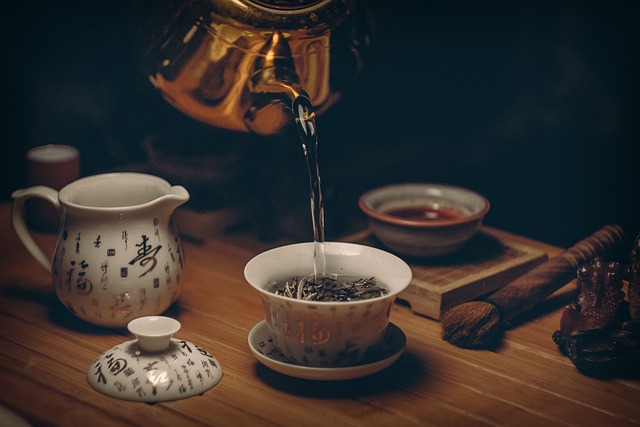
Nettle tea is made from the leaves and roots of the nettle plant, also known as Urtica dioica. It has been used for centuries in traditional medicine for its various health benefits. One of the main reasons people drink nettle tea is because of its potential to boost the immune system. The tea contains antioxidants and anti-inflammatory compounds that may help protect the body against harmful pathogens and reduce inflammation. Additionally, nettle tea is believed to have diuretic properties, which means it may help increase urine production and flush out toxins from the body. This detoxifying effect can promote a healthier internal environment and support overall well-being.
Nettle Tea for Allergies
Nettle tea has been historically used to alleviate allergy symptoms. This herbal infusion is derived from the leaves of the nettle plant, which is known to possess anti-inflammatory properties. The active compounds found in nettle tea, such as histamine blockers and flavonoids, may help reduce the release of histamines in the body, thereby minimizing the allergic reaction. Moreover, nettle tea is believed to have a natural antihistamine effect, which could aid in relieving symptoms like sneezing, itching, and nasal congestion.
In addition to its potential antihistamine properties, nettle tea is rich in vitamins, minerals, and antioxidants that can strengthen the immune system. A strong immune system plays a crucial role in combating allergies as it helps the body to better tolerate and respond to allergens. By incorporating nettle tea into your daily routine, you may support your immune function, potentially reducing the severity of allergic reactions and providing relief from bothersome symptoms. However, it is important to note that nettle tea might not work for everyone, and consulting with a healthcare professional is recommended before incorporating it into your allergy management plan.
Nettle Tea for Digestive Health
Nettle tea has been used for centuries as a natural remedy for various digestive problems. One of the key benefits of nettle tea is its ability to soothe an upset stomach and relieve symptoms of indigestion. The tea contains compounds that have anti-inflammatory properties, which can help reduce inflammation in the digestive tract and ease discomfort caused by conditions such as gastritis or irritable bowel syndrome (IBS).
In addition, nettle tea may also promote healthy digestion by stimulating the production of digestive enzymes. These enzymes are essential for breaking down food and facilitating nutrient absorption. By supporting the digestive process, nettle tea can help prevent bloating, gas, and constipation. It is important to note, however, that individual results may vary, and it is always advisable to consult a healthcare professional before incorporating nettle tea into your daily routine for digestive health.
Nettle Tea for Joint Pain
Joint pain is a common complaint that affects many individuals, especially as they age. The discomfort and stiffness associated with joint pain can significantly impact one’s quality of life and limit their daily activities. While there are various remedies available, one natural and popular option is nettle tea.
Nettle tea is known for its anti-inflammatory properties, which may help reduce joint pain and alleviate associated symptoms. The tea contains several compounds that possess anti-inflammatory effects, including flavonoids and phenolic compounds. These compounds work by inhibiting the production of inflammatory substances in the body, thus reducing pain and swelling in the joints. Regular consumption of nettle tea may provide relief for individuals suffering from joint pain, enabling them to move more comfortably and improve their overall mobility.
Nettle Tea for Skin Conditions
Skin conditions can cause a great deal of discomfort and self-consciousness. Fortunately, nature offers a potential remedy in the form of nettle tea. Nettle tea is rich in antioxidants and anti-inflammatory compounds that may help alleviate skin issues such as eczema, acne, and psoriasis. These conditions often involve inflammation and irritation, and the anti-inflammatory properties of nettle tea may help reduce redness, itching, and swelling. Additionally, the antioxidants in nettle tea can help protect the skin from damage caused by free radicals and promote a healthy, youthful complexion. While more research is needed to fully understand the effects of nettle tea on specific skin conditions, incorporating it into your daily routine may offer potential benefits for maintaining skin health.
In addition to its antioxidant and anti-inflammatory properties, nettle tea also has a diuretic effect that may benefit individuals with certain skin conditions. Conditions such as acne can be exacerbated by the accumulation of toxins in the body. Nettle tea acts as a natural detoxifier, helping to flush out toxins and excess fluids from the body, which may contribute to clearer skin. Furthermore, nettle tea contains essential vitamins and minerals that promote overall skin health, such as vitamin A, vitamin C, and iron. These nutrients are vital for the production of collagen, a protein that supports the structure and elasticity of the skin. By drinking nettle tea regularly, you can nourish your skin from the inside out and potentially enhance its overall appearance.
Nettle Tea for Blood Sugar Control
Nettle tea has been found to have potential benefits in managing blood sugar levels. Several studies have suggested that the compounds found in nettle tea may help regulate glucose metabolism and improve insulin sensitivity. This can be particularly beneficial for individuals with diabetes or those at risk of developing the condition. By incorporating nettle tea into their daily routine, individuals may be able to better control their blood sugar levels and prevent the spikes and crashes that can occur throughout the day.
One of the key components of nettle tea that is believed to contribute to its blood sugar-regulating properties is a specific type of fiber known as inulin. Inulin acts as a prebiotic, which means it serves as a food source for beneficial bacteria in the gut. These bacteria play a crucial role in maintaining the health and balance of the digestive system, which in turn can impact blood sugar control. Additionally, inulin has been shown to slow down the absorption of glucose in the bloodstream, leading to more stable blood sugar levels. While more research is needed to fully understand the mechanisms behind nettle tea’s effects on blood sugar, these preliminary findings are promising and warrant further investigation.
Nettle Tea for Hair Growth
One of the lesser-known benefits of nettle tea is its potential to support hair growth. Nettle tea is rich in vitamins and minerals that are known to promote healthy hair. These nutrients, such as vitamin A, C, and E, iron, and silica, help nourish the scalp and hair follicles, stimulating growth and preventing hair loss. Additionally, nettle tea may also help balance the hormone levels in the body, which can be beneficial for those experiencing hair thinning or hormonal imbalances.
Furthermore, nettle tea has anti-inflammatory properties that can soothe an irritated scalp and reduce dandruff. This, in turn, can create a healthier environment for hair growth. When used as a rinse or applied topically, nettle tea can help improve the overall condition of the scalp, making it a natural remedy for those looking to enhance the thickness and quality of their hair. However, it’s important to note that individual results may vary, and consulting with a healthcare professional is always recommended for personalized advice.
Nettle Tea for Urinary Tract Health
Urinary tract health is a vital aspect of overall well-being, and one natural remedy that has gained popularity for promoting urinary tract health is nettle tea. Nettle tea is known for its diuretic properties, which can help in flushing out toxins and preventing the build-up of bacteria in the urinary tract. By increasing urine production, nettle tea may aid in preventing urinary tract infections and supporting the overall health of the urinary system.
Furthermore, nettle tea is also believed to have anti-inflammatory properties. Inflammation in the urinary tract can lead to discomfort and irritation, but nettle tea may help reduce inflammation and alleviate symptoms. Additionally, nettle tea is a rich source of antioxidants, which can help protect the urinary system from oxidative stress and damage. With its potential diuretic, anti-inflammatory, and antioxidant properties, nettle tea shows promise in promoting urinary tract health.
Nettle Tea for Detoxification
Nettle tea has been valued for centuries for its potential detoxifying properties. Many people turn to this herbal infusion as a natural way to flush out toxins and promote overall well-being. With its high content of antioxidants, vitamins, and minerals, nettle tea is believed to support the body’s detoxification processes and improve overall liver function. Additionally, the diuretic properties of nettle tea may help to eliminate waste and excess fluids from the body, leaving you feeling refreshed and rejuvenated.
Moreover, nettle tea is also known for its potential to aid in the elimination of harmful substances from the body. It is believed to have a gentle yet effective cleansing effect on the kidneys and urinary tract, helping to prevent the formation of kidney stones and promoting urinary health. Additionally, nettle tea may act as a natural diuretic, encouraging the body to expel waste products more efficiently and reducing water retention. By incorporating nettle tea into your daily routine, you may support your body’s natural detoxification processes, leading to improved overall health and vitality.
Nettle Tea for Menstrual Health
Many women experience discomfort and symptoms during their menstrual cycle, such as bloating, cramps, and mood swings. Nettle tea may offer some relief and benefits for menstrual health. The natural compounds found in nettle tea, such as vitamins, minerals, and antioxidants, can help regulate hormonal balance and reduce inflammation, which in turn may alleviate some of the symptoms associated with menstruation. Additionally, nettle tea is believed to have diuretic properties, which can assist in reducing water retention that often occurs during this time. Overall, incorporating nettle tea into your diet may be a natural and soothing way to promote menstrual health.
Moreover, nettle tea is known to have iron content, an essential nutrient that plays a vital role in maintaining healthy blood levels. Women often experience a decrease in iron levels during their menstrual cycle due to blood loss. By drinking nettle tea during this time, it is thought to help replenish the iron stores in the body, preventing iron deficiency and associated symptoms like fatigue and weakness. In addition, nettle tea is believed to have mild analgesic properties that can potentially alleviate menstrual cramps. While more research is needed to fully understand the effects of nettle tea on menstrual health, incorporating this herbal tea into your self-care routine may be worth exploring for its potential benefits.
Can nettle tea help with menstrual cramps?
Yes, nettle tea has been found to possess anti-inflammatory properties, which can help relieve menstrual cramps and reduce pain.
How does nettle tea benefit menstrual health?
Nettle tea is rich in nutrients like iron, calcium, and magnesium, which are essential for maintaining hormonal balance and supporting overall menstrual health.
Can nettle tea regulate irregular menstrual cycles?
While nettle tea may help support hormonal balance, it is always recommended to consult with a healthcare professional for proper diagnosis and treatment of irregular menstrual cycles.
Does nettle tea help with heavy menstrual bleeding?
Nettle tea contains compounds that can improve blood clotting and reduce excessive bleeding during menstruation, but it is advisable to consult a healthcare professional for proper evaluation and guidance.
Is nettle tea safe to consume during menstruation?
Nettle tea is generally considered safe for consumption during menstruation, but it is always recommended to consult with a healthcare professional, especially if you have any underlying health conditions or are taking medications.
How should nettle tea be prepared for menstrual health benefits?
To prepare nettle tea, steep 1-2 teaspoons of dried nettle leaves in a cup of hot water for 5-10 minutes. Strain and enjoy. It is advisable to follow the instructions on the product label or consult a herbalist for specific recommendations.
Can nettle tea help with premenstrual syndrome (PMS) symptoms?
Nettle tea’s anti-inflammatory properties may help reduce symptoms like bloating, irritability, and breast tenderness associated with PMS. However, individual results may vary, and it is important to consult with a healthcare professional for personalized advice.
Are there any side effects of consuming nettle tea during menstruation?
Nettle tea is generally safe for most people when consumed in moderation. However, some individuals may experience mild side effects like upset stomach or allergic reactions. If you experience any adverse effects, discontinue use and consult a healthcare professional.
Can nettle tea interact with medications commonly used during menstruation?
Nettle tea may interact with certain medications, such as blood thinners or diuretics. It is advisable to consult with a healthcare professional or pharmacist to ensure there are no potential interactions with your specific medications.
Can nettle tea completely cure menstrual health issues?
Nettle tea can provide support and relief for certain menstrual health issues, but it is not a substitute for medical treatment or professional advice. It is always recommended to consult with a healthcare professional for proper diagnosis and treatment.


