

Ingredients Needed
For a fresh and delightful cup of tea, you will need a few essential ingredients. The first is, of course, tea leaves or tea bags, depending on your preference. Opt for high-quality loose tea leaves for a more authentic and flavorful experience. If you’re in a rush, tea bags are a convenient option.
Additionally, you’ll need water that is fresh and preferably filtered. The quality of water can greatly impact the taste of your tea. It’s best to avoid using water that has a strong taste or odor, as it can overpower the delicate flavors of the tea. Lastly, depending on your personal preference, you may want to have sweeteners like honey, sugar, or even stevia on hand, as well as various fruits or herbs to add a touch of unique flavor to your tea.
Choosing the Right Tea
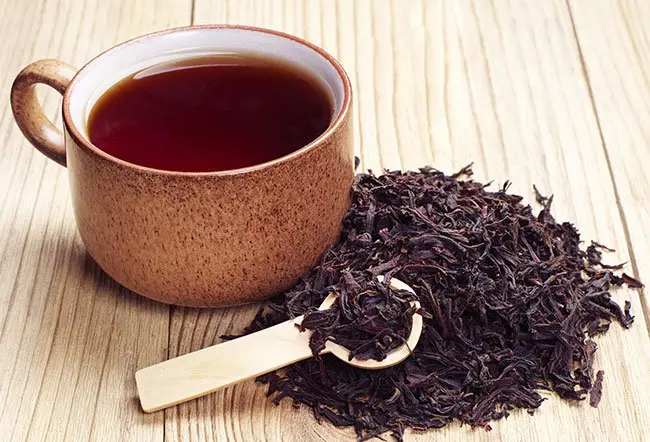
When it comes to choosing the right tea, there are numerous options available to suit different tastes and preferences. From black tea to green tea, herbal tea to white tea, the choices can be overwhelming. Each variety of tea has its unique flavor profile and potential health benefits. Black tea, for example, is known for its bold and robust flavor, while green tea offers a more delicate and grassy taste. Herbal teas, on the other hand, are often caffeine-free and come in a wide range of flavors like chamomile, peppermint, and hibiscus. With such a wide selection, it’s important to explore and discover the tea that appeals to you the most.
When selecting the right tea, it’s essential to consider your personal preferences, as well as the intended purpose. If you’re looking for a morning boost of energy, black tea or yerba mate might be the best choices due to their higher caffeine content. On the other hand, if you’re seeking a calming and relaxing experience, herbal teas like lavender or chamomile can be perfect options. It’s also worth researching the potential health benefits of different teas, as some varieties are rich in antioxidants, while others might help with digestion or reduce inflammation. Ultimately, the key is to experiment with various teas and find the ones that align with your taste buds and wellness goals.
Preparing Tea Leaves or Bags
When it comes to making a comforting cup of tea, whether you’re using loose tea leaves or tea bags, the preparation process is key to achieving the desired taste and aroma. For tea leaves, start by measuring the desired amount based on the strength you prefer. A general rule of thumb is to use about one teaspoon of tea leaves per cup of water. Place the measured tea leaves in a tea infuser or strainer, ensuring that there is enough room for the leaves to expand as they steep.

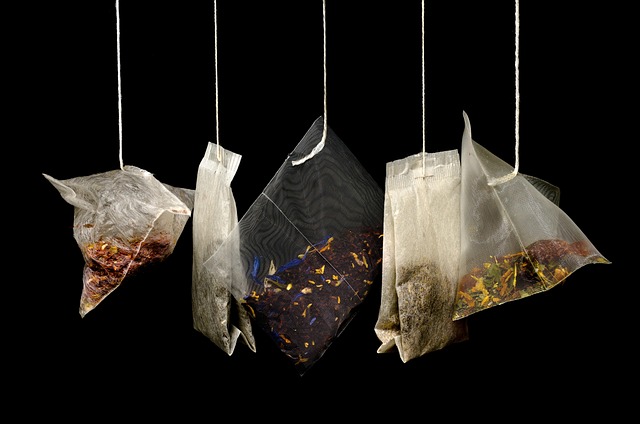
If you’re using tea bags, simply select your preferred flavor or blend and remove the tea bag from its packaging. Place the tea bag in your cup, allowing it to hang over the side. The tea bag should have enough room to move around and allow water to circulate freely through the tea leaves. Whether you’re using tea leaves or bags, the next step is to add boiling water, bringing the flavors to life and releasing the soothing aroma of the tea.
Boiling Water
To brew a perfect cup of tea, boiling water is one of the essential ingredients. The water should be brought to a rolling boil, ensuring that it reaches the appropriate temperature for steeping. This will extract the flavors and natural oils from the tea leaves or bags, resulting in a flavorful and aromatic brew.
When boiling water, it is best to use filtered or bottled water to ensure a clean and crisp taste. It is important not to overboil the water as it can result in a flat-tasting tea. And remember, different types of teas require different water temperatures for optimal brewing, so be sure to check the recommended temperature for the particular tea you are preparing. By taking the time to properly boil the water, you are setting the foundation for a delightful tea-drinking experience.
Brewing the Tea
To brew the perfect cup of tea, it is essential to understand the importance of water temperature and steeping time. Different types of teas require different water temperatures to bring out their flavors and aromas. For delicate teas, such as green and white teas, water that is too hot can result in a bitter taste. It is best to use water that is heated to around 175°F (80°C) for these teas. On the other hand, black teas and herbal teas can withstand hotter water temperatures, usually around 200°F (93°C).
Once the water has reached the desired temperature, it is time to steep the tea leaves or bags. Steeping time will vary depending on the type of tea and personal preference. Generally, green and white teas require a shorter steeping time of 2-3 minutes, while black teas and herbal teas can steep for 4-5 minutes. It is important not to oversteep the tea, as it can result in a bitter taste. To achieve the desired strength, it is recommended to start with the minimum steeping time and adjust accordingly.
Sweetening Options
When it comes to sweetening your tea, there are plenty of options to choose from. One of the most common sweeteners is granulated sugar. Whether you prefer white sugar or opt for a more natural alternative like cane sugar, adding a spoonful or two can help balance out the bitterness of some teas. Remember to taste as you go and adjust the amount of sugar to your desired sweetness.
For those looking for a healthier option, honey is a popular choice. Not only does honey provide a natural sweetness, but it also adds a subtle floral flavor to your tea. If you’re using honey, make sure to stir it well into the hot tea to ensure it dissolves properly. Agave syrup and maple syrup are other alternatives that can impart a unique flavor to your brew. These sweeteners work well with herbal teas or stronger black teas. As always, feel free to experiment with different sweeteners until you find the perfect match for your taste buds.
Adding Flavor with Fruits or Herbs
One of the simplest ways to enhance the flavor of your tea is by adding fruits or herbs to the brew. This can infuse the tea with a delightful blend of natural sweetness and refreshing notes. Fresh fruits like lemon, orange, or berries can be sliced or squeezed into the tea to add a hint of tanginess. Similarly, herbs such as mint, basil, or lavender can lend a subtle yet distinctive aroma that complements the tea’s natural flavors. Experiment with different combinations to discover your preferred fruity or herbal infusion.
While fruits and herbs can be added directly to the tea while brewing, you can also create syrup or concentrate from them beforehand. This allows for a more controlled release of flavors and makes it easier to adjust the taste to your liking. To make a syrup, combine chopped fruits or herbs with sugar and water, then simmer the mixture until it thickens. After straining out any solids, you can simply add a spoonful or two of the syrup to your tea. Alternatively, you can create a concentrate by steeping fruits or herbs in boiling water, then straining the liquid and using it as a flavoring agent. With these methods, you can enjoy a subtly infused tea that perfectly suits your palate.
Straining the Tea
Once the tea has finished steeping, it is important to strain the liquid to remove any tea leaves or other solid particles. This step ensures that you get a smooth and clean cup of tea without any unwanted sediment. There are various methods you can use to strain the tea, depending on your preference and the tools you have at hand.
One common method is to use a fine-mesh strainer or a tea infuser. These tools are designed to catch any loose tea leaves and prevent them from getting into your cup. Simply pour the brewed tea through the strainer or infuser into your serving vessel, and you’ll have a clear and debris-free cup of tea in no time. If you don’t have a strainer or infuser, you can also use a cheesecloth or coffee filter as an alternative. Place the cloth or filter over the mouth of your cup or teapot, and carefully pour the tea through it. This will effectively strain out any solids while allowing the liquid to pass through.
Chilling the Tea
Once the tea has been brewed and strained to perfection, it is time to chill it for a refreshing drink. Chilling the tea brings out its natural flavors and makes it more enjoyable to sip on a warm day. There are a few effective methods for cooling down your tea, and it’s important to choose the one that suits your preference and time constraints.
One simple way to chill tea is to pour it over a glass filled with ice cubes. The ice cubes will rapidly cool down the tea, giving it an instantly chilled effect. This method is quick and convenient, but keep in mind that the tea may become diluted as the ice melts. Therefore, it’s best to prepare the tea a bit stronger than usual to compensate for this dilution. Another option is to let the tea cool to room temperature naturally and then place it in the refrigerator. It may take a bit longer for the tea to chill, but this method ensures that the tea retains its original strength and flavor without any dilution.
Serving Suggestions
When it comes to serving tea, there are numerous options to consider based on personal preferences and occasions. One popular option is to serve the tea hot in traditional teacups or mugs. This allows the aroma and flavor to be enjoyed at its fullest. For a sophisticated touch, a small plate of biscuits or cookies can be served alongside the tea, providing a delightful pairing option. Another option is to serve tea in tall glasses filled with ice, creating a refreshing iced tea experience. Garnishing the glasses with a slice of lemon or a sprig of fresh mint adds a touch of elegance. No matter how you choose to serve it, tea is a versatile beverage that can be enjoyed in various ways to suit different occasions and tastes.
An alternative serving suggestion is to create a tea bar or buffet where guests can personalize their tea experience. Set up a table with an array of tea options, such as different types of tea bags or loose tea leaves, along with hot water and sweeteners. Provide a variety of accompaniments, such as lemon wedges, honey, and milk, allowing guests to customize their tea just the way they like it. Additionally, you can offer an assortment of flavored syrups, fresh fruit slices, or herbs like mint or lavender, which can be added to enhance the flavor and aroma of the tea. This interactive and customizable approach to serving tea is a great way to engage guests and create a memorable experience.
What ingredients do I need to make tea?
To make tea, you will need tea leaves or tea bags, boiling water, and optional sweeteners and flavorings such as fruits or herbs.
How do I choose the right tea?
The right tea depends on your personal preference. There are various types of tea such as black, green, herbal, and white. Experiment with different flavors to find your favorite.
How do I prepare tea leaves or bags?
If using loose tea leaves, measure about one teaspoon per cup of water. If using tea bags, use one bag per cup. Adjust according to your taste preferences.
How do I boil water for tea?
Bring water to a rolling boil using a kettle or pot on the stove. Make sure the water is fresh and not previously boiled.
How do I brew the tea?
Pour the boiling water over the tea leaves or tea bags in a teapot or cup. Let it steep for the recommended time, usually 3-5 minutes, or as per the instructions on the tea packaging.
What sweetening options can I choose from?
Common sweeteners for tea include sugar, honey, or artificial sweeteners. Add the desired amount to taste and stir until dissolved.
Can I add flavor to my tea with fruits or herbs?
Yes, you can enhance the flavor of your tea by adding slices of fruits like lemon, orange, or berries, or herbs like mint or lavender. Experiment with different combinations to find the taste you enjoy.
How do I strain the tea?
If using loose tea leaves, you can strain the tea by using a tea strainer or a fine-mesh sieve. If using tea bags, simply remove the bags from the tea.
How do I chill the tea?
After brewing the tea, let it cool to room temperature. Then, transfer it to a refrigerator and allow it to chill for at least an hour before serving.
What are some serving suggestions for tea?
Tea can be served hot or cold, depending on your preference or the weather. You can enjoy it plain or add lemon slices, honey, or ice cubes for additional flavor. Additionally, tea pairs well with a variety of snacks and pastries.


