

Benefits of Green Tea
Green tea is widely regarded for its numerous health benefits. One of the key advantages is its high antioxidant content, specifically catechins, which can help protect the body against damage from free radicals. These antioxidants also have anti-inflammatory properties, which may help reduce the risk of chronic diseases such as heart disease and certain types of cancer. Additionally, green tea has been associated with improved brain function and mental clarity, as it contains caffeine and an amino acid called L-theanine, which can enhance focus and concentration.
Furthermore, consuming green tea regularly has been linked to weight management. Studies have shown that the catechins in green tea can boost metabolism and increase fat burning, making it a popular choice for those looking to shed a few pounds. Moreover, drinking green tea may also have positive effects on heart health. Research suggests that regular consumption of green tea can help lower cholesterol levels and reduce the risk of cardiovascular diseases, such as hypertension and stroke. These benefits make green tea an excellent addition to a healthy lifestyle.
Types of Green Tea
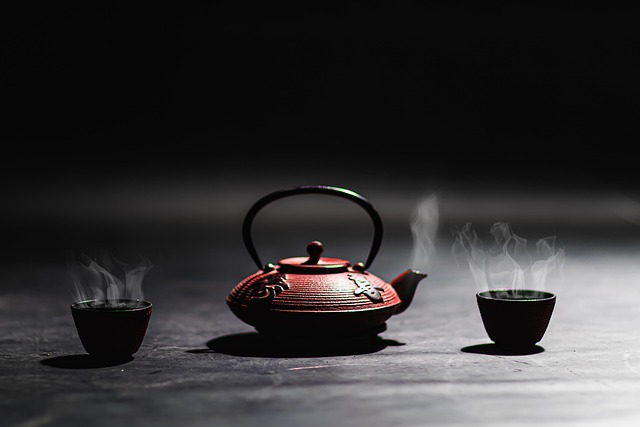
Green tea is available in various types, each with its own unique characteristics and flavor profiles. One popular type is matcha, a powdered green tea that is often used in traditional Japanese tea ceremonies. Matcha is known for its vibrant green color and rich, umami flavor. Another popular type is sencha, which is the most common type of green tea consumed in Japan. Sencha has a refreshing, grassy taste and is high in antioxidants. Genmaicha is a type of green tea that is blended with roasted brown rice, resulting in a nutty flavor and a distinctive aroma.
Another type of green tea is houjicha, which is made by roasting the tea leaves, giving it a reddish-brown color and a smoky, caramel-like taste. Dong Ding tea, also known as oolong tea, is a partially oxidized tea that falls between green and black tea in terms of flavor and color. It has a floral and fruity taste, making it a popular choice for those who enjoy a more complex flavor profile. Finally, jasmine green tea is made by blending green tea leaves with jasmine flowers, creating a delicate and floral aroma. It has a slightly sweet taste and is often enjoyed as a refreshing beverage. With such a wide variety to choose from, there is a green tea type to suit every palate and preference.
Recommended Serving Sizes
Green tea is a popular beverage known for its numerous health benefits. When it comes to enjoying green tea, it is important to understand the recommended serving sizes. The general guideline is to consume around 2-3 cups of green tea per day to reap its maximum benefits. However, it is essential to note that individual servings may vary based on personal preference and health circumstances.
It is advisable to start with smaller serving sizes, especially if you are new to green tea or have a sensitive stomach. Begin by consuming one cup of green tea per day and gradually increase the intake as your body adapts to it. Moreover, it is important to remember that excessive consumption of green tea may lead to potential side effects. Therefore, it is crucial to listen to your body and find the right balance that works best for you.
Potential Side Effects
While green tea is generally safe for most people to consume, it is important to be aware of the potential side effects that may arise from excessive or improper consumption. One commonly reported side effect is caffeine sensitivity, as green tea contains caffeine which can cause adverse reactions in individuals who are sensitive to this stimulant. Symptoms may include anxiety, jitteriness, increased heart rate, and difficulty sleeping. It is advisable for those who are sensitive to caffeine to monitor their intake and consider opting for decaffeinated green tea options.
Another potential side effect of green tea is gastrointestinal distress. Some individuals may experience stomach discomfort, nausea, or even diarrhea after consuming green tea. This could be attributed to the tannins present in the tea, which can increase stomach acid production and irritate the lining of the stomach. To minimize the risk of gastrointestinal issues, it is recommended to start with small amounts of green tea and gradually increase the intake to allow your body to adjust. Additionally, it may be helpful to consume green tea with food to ease digestion and reduce the likelihood of stomach upset.

Green Tea and Weight Loss
Green tea has gained popularity as a potential aid in weight loss. Many studies have suggested that the natural compounds found in green tea can increase metabolism, leading to an increased rate of calorie burning. Additionally, green tea contains a small amount of caffeine, which can boost energy levels and further support weight loss efforts.
Some research has also indicated that green tea may be effective in reducing fat absorption and enhancing fat oxidation. These properties make it an attractive choice for those looking to shed some extra pounds. However, it’s important to note that while green tea may offer some benefits for weight loss, it should not be seen as a magical solution. It is still essential to maintain a healthy diet and engage in regular physical activity to achieve sustainable weight loss results.
Green Tea and Heart Health
Research has shown that incorporating green tea into your daily routine may have positive effects on heart health. Green tea contains a class of antioxidants called catechins, which have been found to reduce the risk of cardiovascular diseases. These catechins have been shown to improve blood vessel function and lower blood pressure, which can help reduce the risk of heart attacks and strokes. Additionally, green tea has been linked to a decrease in LDL cholesterol levels, often referred to as “bad” cholesterol, while maintaining or increasing levels of HDL cholesterol, known as “good” cholesterol. These findings suggest that regular consumption of green tea may contribute to a healthier heart.
In addition to its potential cardiovascular benefits, green tea has also been found to have an anti-inflammatory effect on the body. Chronic inflammation is believed to play a key role in the development of heart disease. By reducing inflammation, green tea may help protect the heart and minimize the risk of cardiovascular complications. Furthermore, green tea has been found to enhance the function of the endothelium, which is the lining of blood vessels. Improved endothelial function is associated with a healthier cardiovascular system and a reduced risk of heart disease. While further research is needed to fully understand the mechanisms behind green tea’s impact on heart health, these initial findings are promising and highlight the potential of green tea as a natural way to support a healthy heart.
Green Tea and Brain Function
Several studies have suggested that green tea may have positive effects on brain function. One of the key components in green tea, caffeine, is known to improve alertness and cognitive performance. This can result in improved focus, attention, and overall brain function.
In addition to caffeine, green tea also contains a unique amino acid called L-theanine. L-theanine has been found to promote relaxation and reduce anxiety, while also increasing alertness. When combined with caffeine, L-theanine may have a synergistic effect on brain function, enhancing mental clarity and improving cognitive performance. While more research is needed to fully understand the mechanisms behind these effects, incorporating green tea into your daily routine may provide potential benefits for brain health.

Green Tea and Cancer Prevention
Green tea has long been praised for its potential cancer-fighting properties. Research suggests that certain compounds found in green tea, such as catechins, may help inhibit the growth of cancer cells and prevent the development of tumors. These compounds have been shown to have antioxidant and anti-inflammatory effects, which can play a crucial role in reducing the risk of cancer.
Several studies have explored the relationship between green tea consumption and various types of cancer. Some research suggests that regular consumption of green tea may be associated with a lower risk of breast, prostate, and colorectal cancers. However, it is important to note that while these findings are promising, more research is still needed to fully understand the extent of green tea’s impact on cancer prevention. As with any health-related advice, it is always advisable to consult with a medical professional for personalized guidance.
Green Tea and Skin Health
Green tea is not only enjoyed for its soothing taste and potential health benefits, but it is also known for its positive effects on the skin. The high concentration of antioxidants in green tea helps to protect the skin against free radicals, which are responsible for premature aging and damage to the skin cells. These antioxidants also have anti-inflammatory properties, helping to calm irritated skin and reduce redness. Additionally, green tea contains catechins, which can help regulate sebum production and control acne breakouts. Incorporating green tea into your skincare routine may help promote a clearer, healthier complexion.
In addition to its antioxidant properties, green tea is believed to have a protective effect against harmful UV rays. Studies suggest that the polyphenols in green tea can help prevent and repair damage caused by exposure to the sun. This may help reduce the risk of sunburn and skin cancer. However, it is important to note that green tea should not replace proper sun protection measures, such as wearing sunscreen and seeking shade when the sun’s rays are strongest. Despite its potential benefits, it is always recommended to consult with a dermatologist before making any significant changes to your skincare routine.
Tips for Brewing the Perfect Cup of Green Tea
To brew the perfect cup of green tea, it is essential to pay attention to a few key factors. First and foremost, always use fresh, high-quality loose leaf green tea rather than tea bags. Loose leaf tea allows the leaves to unfurl and release their full flavor. Additionally, be sure to use filtered water instead of tap water to avoid any impurities that can affect the taste of the tea.
Next, it is crucial to control the water temperature. Green tea is delicate and should not be brewed with boiling water as this can result in a bitter taste. Instead, bring the water to a gentle simmer and allow it to cool for a minute or two before pouring it over the tea leaves. This will help preserve the natural flavors and aromas of the tea. Finally, steep the tea for the proper amount of time. Over-steeping can lead to a bitter taste, while under-steeping may produce a weak cup of tea. Generally, 2-3 minutes is the recommended steeping time for green tea, but this can vary depending on the specific type of green tea being used.
What are the benefits of green tea?
Green tea offers numerous health benefits, including improved brain function, weight loss, heart health, cancer prevention, and enhanced skin health.
What are the different types of green tea?
There are various types of green tea, including Sencha, Matcha, Gyokuro, and Dragon Well, each with its own unique flavor and characteristics.
What is the recommended serving size for green tea?
It is generally recommended to consume 2-3 cups (8-oz each) of green tea per day to maximize its health benefits.
Are there any potential side effects of green tea?
While green tea is generally safe for most people, excessive consumption or sensitivity to caffeine may lead to side effects such as insomnia, upset stomach, or increased heart rate.
Can green tea help with weight loss?
Yes, green tea has been shown to boost metabolism and aid in weight loss when combined with a healthy diet and exercise routine.
How does green tea benefit heart health?
Green tea can help lower cholesterol levels, reduce blood pressure, and decrease the risk of heart disease by promoting healthy blood vessel function.
How does green tea improve brain function?
The natural caffeine and amino acids present in green tea can enhance brain function, improve mood, and increase alertness and concentration.
Can green tea prevent cancer?
Some studies suggest that the antioxidants in green tea may help prevent certain types of cancer, although more research is needed to confirm these findings.
What are the skin health benefits of green tea?
Green tea contains antioxidants that can help protect the skin from damage caused by free radicals, leading to improved skin health and a more youthful appearance.
What are some tips for brewing the perfect cup of green tea?
To brew the perfect cup of green tea, use fresh, high-quality tea leaves, steep them in water that is not boiling (around 175°F or 80°C), and let the tea steep for 2-3 minutes before enjoying.


