

Understanding the composition of green tea leaf extract
Green tea leaf extract is derived from the leaves of the Camellia sinensis plant, originating in East Asia. The composition of green tea leaf extract is a rich blend of various natural compounds, making it a popular choice for its potential health benefits.
One of the prominent compounds found in green tea leaf extract is catechins, which are a type of antioxidants. These catechins, such as epigallocatechin gallate (EGCG), have been studied for their potential to reduce the risk of chronic diseases and improve overall well-being. The amount of catechins can vary in different green tea leaf extracts, depending on factors such as the quality of the leaves and processing methods. Alongside catechins, green tea leaf extract also contains small amounts of essential oils, vitamins, and minerals, contributing to its nutritional value.
The composition of green tea leaf extract also includes caffeine, a natural stimulant known for its energizing effects. However, the caffeine content in green tea leaf extract is generally lower compared to other caffeinated beverages such as coffee. This makes green tea leaf extract a more suitable choice for those seeking a moderate caffeine boost without the intense jitters associated with higher caffeine intake. It is important to note that the amount of caffeine in green tea leaf extract can vary depending on factors such as the tea variety, brewing time, and extraction method utilized.
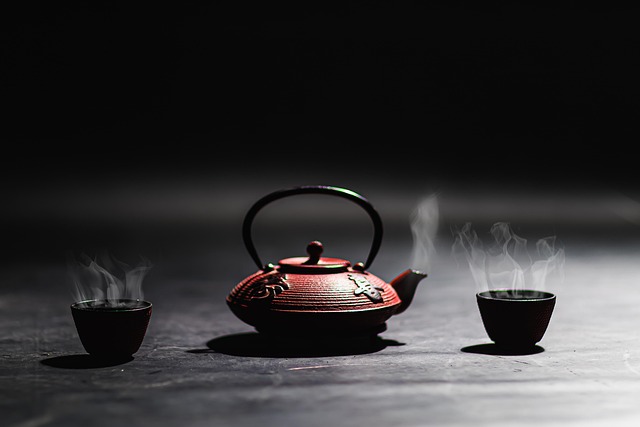
Exploring the natural compounds found in green tea
Green tea is a popular beverage known for its numerous health benefits. One of the reasons behind these benefits lies in the natural compounds found in green tea. The primary compounds responsible for the health-boosting properties of green tea are catechins. Catechins are a type of polyphenol, a class of antioxidants that help protect the body against oxidative stress. Green tea contains several catechins, with epigallocatechin gallate (EGCG) being the most abundant and potent. EGCG has been studied extensively for its potential anti-inflammatory, anti-carcinogenic, and cardiovascular-protective effects.
In addition to catechins, green tea also contains caffeine, which is a natural stimulant. Caffeine is widely consumed for its ability to enhance alertness and improve mental focus. However, the caffeine content in green tea is generally lower compared to other caffeinated beverages like coffee or black tea. Alongside catechins and caffeine, green tea contains other bioactive compounds such as theanine and flavonoids, which contribute to its unique flavor profile and potential health benefits. These natural compounds work together synergistically to provide the many positive effects associated with green tea consumption.
The potential effects of caffeine on the body
Caffeine, a naturally occurring stimulant that is commonly found in beverages like coffee, tea, and energy drinks, has been widely studied for its potential effects on the body. When consumed, caffeine stimulates the central nervous system, promoting wakefulness and increasing alertness. It achieves this by blocking the action of a neurotransmitter called adenosine, which is responsible for promoting sleep and suppressing arousal.
Additionally, caffeine has been shown to improve cognitive function, enhance reaction time, and increase physical endurance. These effects are believed to be due to its ability to increase the release of neurotransmitters like dopamine and norepinephrine, which play critical roles in mood, motivation, and attention. As a result, consuming caffeine can lead to improved focus, concentration, and a temporary boost in energy levels.
While caffeine can be beneficial for many individuals, it is important to note that its effects can vary depending on the individual’s tolerance, sensitivity, and overall health. Some people may experience side effects such as jitteriness, increased heart rate, and disrupted sleep patterns if they consume excessive amounts of caffeine. It is crucial to consume caffeine in moderation and be aware of its potential effects on one’s own body.
Examining the presence of caffeine in various tea varieties
Green tea is often cherished for its unique flavor and potential health benefits. One of the key components that sets green tea apart from other beverages is its caffeine content. Caffeine, a naturally occurring compound, is present in varying amounts in different tea varieties. While green tea is known for containing caffeine, the level can differ significantly depending on several factors such as the type of tea leaves used, the processing methods, and the brewing time and temperature.
Some tea varieties, including black tea and oolong tea, generally have higher caffeine content compared to green tea. On the other hand, white tea typically contains the least amount of caffeine among the various tea types. It is important to note that the caffeine levels can also vary within the same type of tea due to variations in factors such as the specific tea plant cultivar, growing conditions, and region of cultivation. Therefore, it is challenging to provide an exact caffeine content for each tea variety, but understanding the general trends can help individuals make informed choices when selecting their preferred tea.

How green tea leaf extract differs from other caffeinated beverages
Green tea leaf extract stands apart from other caffeinated beverages due to its unique composition. Unlike coffee or energy drinks, green tea leaf extract contains a combination of natural compounds that contribute to its distinct flavor and potential health benefits. One of these compounds is L-theanine, an amino acid that has been found to promote relaxation and mental clarity, counteracting the jittery effects often associated with caffeine consumption. This makes green tea leaf extract a popular choice for those seeking a more balanced and steady energy boost throughout the day.
Another way green tea leaf extract differs from other caffeinated beverages is in its potential to support overall well-being. While coffee and energy drinks may provide a quick pick-me-up, they often come with added sugars and artificial ingredients. Green tea leaf extract, on the other hand, is known for its high concentration of antioxidants, which can help combat cell damage and protect against chronic health conditions. Additionally, green tea leaf extract has been linked to potential benefits such as improving heart health, promoting weight loss, and supporting a healthy immune system. This combination of caffeine and natural compounds makes green tea leaf extract a unique and appealing option for those looking to incorporate caffeine into their daily routine in a more wholesome way.
Debunking common misconceptions about caffeine in green tea leaf extract
Green tea leaf extract has gained popularity as a healthier alternative to other caffeinated beverages. However, there are several common misconceptions regarding the caffeine content in green tea leaf extract that need to be debunked. One misconception is that green tea leaf extract is completely caffeine-free. While it is true that green tea leaf extract contains lower levels of caffeine compared to coffee or black tea, it still contains a certain amount of caffeine. The caffeine content can vary depending on factors such as the type of green tea used, the brewing method, and the concentration of the extract.
Another misconception is that the caffeine in green tea leaf extract can lead to addiction or dependence. The truth is that while caffeine is a stimulant and can cause mild physical dependence, the levels of caffeine in green tea leaf extract are generally lower than in other caffeinated beverages. Moreover, green tea also contains other compounds such as L-theanine, which has calming effects and can counteract the potential negative effects of caffeine, such as jitteriness or anxiety. Therefore, consuming green tea leaf extract in moderation is unlikely to lead to addiction or dependency.
Exploring the benefits of green tea leaf extract beyond caffeine
Green tea leaf extract offers a multitude of benefits beyond its caffeine content. One of the key advantages of green tea leaf extract is its rich antioxidant properties. Antioxidants help combat the harmful effects of free radicals in the body, reducing oxidative stress and promoting overall health. Regular consumption of green tea leaf extract has been linked to a lower risk of chronic diseases such as heart disease, cancer, and neurodegenerative disorders.
In addition to its antioxidant properties, green tea leaf extract is also known to support weight loss and aid in digestion. The active compounds in green tea leaf extract, such as catechins and polyphenols, have been shown to boost metabolism and enhance fat oxidation. This, in turn, can contribute to weight management and assist those looking to shed a few pounds. Furthermore, green tea leaf extract has been found to have a soothing effect on the digestive system, helping to alleviate symptoms of indigestion and promote a healthy gut.

Factors that can affect the caffeine content in green tea leaf extract
There are several factors that can influence the caffeine content in green tea leaf extract. One crucial factor is the type of tea plant used. Different varieties of Camellia sinensis, the plant from which green tea is derived, can have varying levels of caffeine. For example, the Japanese green tea variety called matcha is known to contain higher levels of caffeine compared to other green teas.
Another factor that can affect caffeine content is the harvesting process. Younger tea leaves tend to have higher caffeine levels than older leaves. This is because caffeine accumulates in the young buds and leaves of the tea plant. Additionally, the time of year when the tea leaves are plucked can also influence caffeine content. In general, leaves picked in the early spring tend to have higher caffeine levels compared to those harvested in the summer or fall.
Environmental factors such as climate and soil conditions can also play a role in caffeine content. Tea plants that are grown in regions with cooler temperatures and higher altitudes tend to produce leaves with higher caffeine levels. Likewise, the type of soil in which the tea plant is cultivated can impact the absorption and accumulation of caffeine within the plant. These environmental factors, along with processing techniques, contribute to the variability in caffeine content found in different green tea leaf extracts.
How to choose a green tea leaf extract with a desired caffeine level
When choosing a green tea leaf extract with a desired caffeine level, it’s important to consider a few key factors. Firstly, you’ll want to look at the processing method used for the extract. Some methods, such as the water extraction process, tend to retain more of the natural caffeine content of the tea leaves. On the other hand, other methods like carbon dioxide extraction can effectively remove most of the caffeine, resulting in a lower caffeine extract.
Additionally, it’s worth noting that the origin and quality of the green tea leaves can also impact the caffeine levels. Certain regions and cultivars may naturally have higher or lower caffeine content. If you’re looking for a specific caffeine level, it may be beneficial to choose a green tea leaf extract made from premium, high-quality leaves, as they are likely to have a more consistent and controlled caffeine content. It’s important to read the product label or consult with a knowledgeable retailer to understand the caffeine level in the extract and ensure it aligns with your preferences.
Exploring alternative options for caffeine-free green tea leaf extract products
When it comes to green tea leaf extract, many people enjoy the benefits it provides but may prefer to avoid the stimulating effects of caffeine. Thankfully, there are alternative options available for those seeking caffeine-free green tea leaf extract products. These options cater to individuals who want to enjoy the health benefits of green tea without the jitters and sleeplessness that caffeine can sometimes cause.
One alternative option for caffeine-free green tea leaf extract is decaffeinated green tea. Through various decaffeination processes, the caffeine is removed from the tea leaves, resulting in a product that retains the flavor and some of the beneficial compounds found in green tea. Decaffeinated green tea leaf extract can be found in various forms, such as tea bags or loose leaf, making it convenient for brewing a refreshing cup of tea without the caffeine. Additionally, some decaffeinated green tea leaf extract products may also be available in the form of supplements, providing an alternative way to incorporate the benefits of green tea into your daily routine.
What is green tea leaf extract?
Green tea leaf extract is a concentrated form of the leaves from the Camellia sinensis plant, which is commonly used to make green tea. It contains various natural compounds that are beneficial for health.
Does green tea leaf extract contain caffeine?
Yes, green tea leaf extract naturally contains caffeine. However, there are options available that are caffeine-free.
How does caffeine affect the body?
Caffeine is a stimulant that can increase alertness and improve cognitive function. It can also have side effects such as increased heart rate, jitteriness, and disrupted sleep patterns.
Are all tea varieties caffeinated?
No, not all tea varieties contain caffeine. While black tea and green tea generally have caffeine, herbal teas such as chamomile or peppermint are typically caffeine-free.
How does green tea leaf extract differ from other caffeinated beverages?
Green tea leaf extract provides the benefits of green tea, such as antioxidants and potential health benefits, without as much caffeine as other beverages like coffee or energy drinks.
Is it true that green tea leaf extract is completely caffeine-free?
No, green tea leaf extract naturally contains caffeine. However, there are caffeine-free options available for those who want to avoid caffeine.
What are the benefits of green tea leaf extract beyond caffeine?
Green tea leaf extract is rich in antioxidants, which have been linked to various health benefits such as improved heart health, reduced inflammation, and potential cancer-fighting properties.
What factors can affect the caffeine content in green tea leaf extract?
Factors such as the type of tea leaves used, the brewing time, and the temperature of the water can influence the caffeine content in green tea leaf extract.
How can I choose a green tea leaf extract with a desired caffeine level?
Look for caffeine information on the product packaging or consult with the manufacturer to find a green tea leaf extract with a specific caffeine level that suits your preferences.
What are some alternative options for caffeine-free green tea leaf extract products?
There are caffeine-free green tea leaf extract products available that have undergone a decaffeination process to remove or reduce the caffeine content. Additionally, herbal teas that do not contain green tea leaves can be a caffeine-free alternative.


