

Green Tea: A Natural Remedy for Hypertension
Hypertension, commonly known as high blood pressure, is a prevalent health condition that affects millions of people worldwide. It is a chronic condition characterized by elevated blood pressure levels, which can lead to serious health complications such as heart disease and stroke. While there are various pharmaceutical interventions available to manage hypertension, an increasing number of individuals are seeking natural remedies to complement their treatment plans. One such natural remedy gaining popularity is green tea.
Green tea, derived from the leaves of the Camellia sinensis plant, is renowned for its numerous health benefits. Not only is it rich in antioxidants, but it also contains various bioactive compounds that are believed to have a positive impact on blood pressure levels. Some studies suggest that the consumption of green tea can help lower blood pressure and reduce the risk of developing hypertension. These potential benefits are attributed to the presence of catechins, a type of antioxidant found in green tea, which may help relax blood vessels and improve blood flow. Additionally, the caffeine content in green tea may also contribute to its blood pressure-lowering effects.
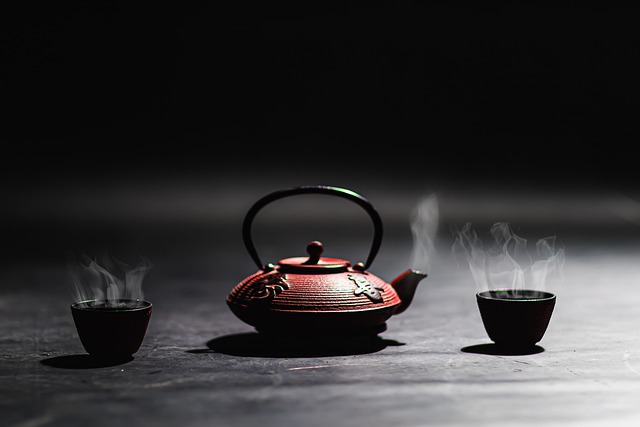
Green Tea: An Overview of its Health Benefits
Green tea has gained significant popularity in recent years due to its numerous health benefits. One of the key advantages of green tea is its high concentration of antioxidants, known as catechins. These powerful compounds help to combat free radicals in the body, reducing the risk of chronic diseases such as heart disease and certain types of cancer. Additionally, green tea has been found to potentially improve brain function and increase fat burning, making it a favored choice for individuals looking to manage their weight.
In addition to its antioxidant properties, green tea has been linked to a lower risk of developing type 2 diabetes. The polyphenols found in green tea can help regulate blood sugar levels and improve insulin sensitivity, ultimately reducing the likelihood of developing this metabolic disorder. Moreover, regular consumption of green tea has been associated with a decreased risk of cardiovascular diseases, including strokes and heart attacks. The combination of catechins and other bioactive compounds in green tea helps to improve blood vessel function, reduce inflammation, and lower levels of bad cholesterol, promoting a healthier cardiovascular system.
Understanding Hypertension: Causes and Risks
Hypertension, commonly known as high blood pressure, is a condition characterized by abnormally elevated levels of pressure in the arteries. It is considered a silent killer because it often presents no symptoms, yet can have serious consequences if left untreated. There are several causes and risk factors that contribute to the development of hypertension.
One of the primary causes of hypertension is unhealthy lifestyle habits. A diet high in sodium, saturated fats, and cholesterol, coupled with low physical activity levels, can contribute to the development of high blood pressure. Other risk factors include obesity, smoking, excessive alcohol consumption, and chronic stress. Additionally, certain medical conditions such as diabetes, kidney disease, and sleep apnea are also associated with an increased risk of hypertension. Understanding the causes and risks of hypertension is crucial in order to implement effective interventions and lifestyle modifications for its management.
The Role of Green Tea in Managing High Blood Pressure
Green tea has long been revered for its potential health benefits, including its role in managing high blood pressure. The high levels of antioxidants present in green tea are believed to play a significant role in reducing the risk of hypertension. These antioxidants, particularly catechins, have been shown to help dilate blood vessels and improve blood flow, thereby lowering blood pressure levels.
The presence of catechins in green tea also aids in preventing the formation of blood clots, which can contribute to hypertension. Moreover, certain compounds in green tea have been found to have anti-inflammatory properties that can further support heart health and potentially reduce blood pressure. While the exact mechanisms through which green tea influences blood pressure are still being studied, it is clear that incorporating this beverage into a balanced diet may have a positive impact on blood pressure management.

Exploring the Active Compounds in Green Tea and their Effects on Blood Pressure
Green tea is known for its abundance of active compounds that contribute to its potential health benefits, including the reduction of blood pressure. One key compound found in green tea is catechins, which are a type of antioxidant. Catechins have been shown to have a positive impact on blood pressure regulation by promoting the relaxation of blood vessels and reducing inflammation. These properties make green tea a potential natural remedy for hypertension.
Another active compound found in green tea is caffeine. While caffeine is often associated with increasing blood pressure, the level of caffeine in green tea is relatively lower compared to coffee or energy drinks. In moderate amounts, caffeine found in green tea can stimulate the central nervous system and help dilate blood vessels, potentially contributing to lower blood pressure. Additionally, green tea contains an amino acid called L-theanine, which has been observed to have a calming effect and may counterbalance any potential stimulatory effects of caffeine, further aiding in blood pressure management.
Scientific Studies: Evaluating the Impact of Green Tea on Hypertension
Numerous scientific studies have been conducted to determine the impact of green tea on hypertension. These studies have consistently shown promising results regarding its potential in managing high blood pressure. For instance, a study published in the American Journal of Clinical Nutrition found that regular consumption of green tea was associated with a significant reduction in systolic and diastolic blood pressure levels. Furthermore, another study published in the Archives of Internal Medicine revealed that individuals who consumed green tea on a daily basis had a reduced risk of developing hypertension compared to those who did not.
Additionally, several mechanisms have been proposed to explain how green tea may help lower blood pressure. One of the key components in green tea, catechins, is believed to have a relaxing effect on blood vessels, leading to improved blood flow and reduced resistance. Moreover, green tea is rich in antioxidants, which have been shown to protect against oxidative stress-related damage to blood vessels. These findings suggest that incorporating green tea into a regular diet may provide a natural and effective approach to managing hypertension.
Dosage and Consumption: How Much Green Tea is Needed to Lower Blood Pressure?
Green tea has long been regarded as a potential natural remedy for hypertension due to its antioxidant properties. However, determining the ideal dosage and consumption of green tea to effectively lower blood pressure remains a challenge. The amount of green tea needed to lower blood pressure can vary depending on individual factors such as age, overall health, and existing medical conditions.
Several scientific studies have explored the impact of green tea on blood pressure, but there is no consensus on the exact dosage required for significant results. Some studies suggest that consuming 2-3 cups of green tea per day may help reduce blood pressure levels, while others recommend higher intake for maximum benefits. It is important to note that consuming excessive amounts of green tea can also have adverse effects on health, particularly in terms of caffeine intake. Therefore, moderation and individualized approaches are essential when incorporating green tea into a blood pressure management routine.

Important Considerations: Green Tea as a Complementary Approach to Blood Pressure Management
Incorporating green tea into a daily routine can be a valuable complementary approach to managing blood pressure. However, it is important to keep in mind several considerations. Firstly, while green tea has been shown to have potential health benefits, it should not be seen as a standalone treatment for hypertension. Consulting with a healthcare professional and following their guidance is crucial for an effective blood pressure management plan.
Additionally, individuals who are sensitive to caffeine or have certain medical conditions, such as anxiety disorders or stomach ulcers, should exercise caution when consuming green tea. The caffeine content in green tea can vary depending on the preparation method and brand, and excessive caffeine intake may lead to elevated blood pressure levels. Therefore, those with existing health concerns should speak to their doctor about the appropriate dosage and potential interactions with medications.
Lifestyle Modifications: Incorporating Green Tea into a Healthy Routine for Blood Pressure Control
Green tea, with its numerous health benefits, can be a valuable addition to a healthy routine aimed at controlling blood pressure. By incorporating green tea into your lifestyle, you can potentially reap the benefits it offers for hypertension management. One way to include green tea in your daily routine is by substituting it for high-calorie beverages such as sugary sodas or energy drinks. Instead of reaching for a can of soda, consider brewing a cup of green tea and enjoying it hot or cold. This simple switch can not only help reduce your calorie intake but also provide your body with the antioxidants and compounds found in green tea that may have a positive impact on blood pressure.
In addition to replacing unhealthy beverages, making green tea a part of your routine can also involve setting aside specific times during the day for tea consumption. Many people find that incorporating a morning cup of green tea as part of their breakfast or having a cup in the afternoon as a refreshing pick-me-up can become a pleasant habit. By making green tea a regular part of your daily routine, not only are you ensuring consistency, but you are also creating a healthier alternative to other options that may contribute to hypertension. Remember, however, to always consult with your healthcare provider about any dietary changes, including the incorporation of green tea, to ensure they are appropriate for your specific health needs.
Potential Side Effects and Precautions When Using Green Tea for Blood Pressure Management
Potential Side Effects and Precautions When Using Green Tea for Blood Pressure Management
It is important to note that while green tea can have positive effects on blood pressure management, it may also have some potential side effects that need to be considered. One such side effect is caffeine sensitivity. Green tea contains caffeine, which can have varying effects on individuals. Some people may be more sensitive to caffeine and may experience symptoms such as restlessness, increased heart rate, and jitteriness. It is advisable for individuals with caffeine sensitivity to monitor their consumption of green tea and consult with a healthcare professional if any adverse effects are experienced.
Additionally, green tea may interact with certain medications. It is always recommended to consult with a healthcare provider before incorporating green tea into your routine, especially if you are taking medications for blood pressure management or any other health condition. Certain medications, such as blood thinners, may have interactions with green tea that could affect their efficacy or increase the risk of side effects. A healthcare professional can provide personalized advice based on your specific medical history and medications, ensuring that green tea is used safely and effectively as a complementary approach to blood pressure management.
Can green tea help lower blood pressure?
Yes, green tea has been shown to have potential benefits in managing high blood pressure.
What are the active compounds in green tea that affect blood pressure?
Green tea contains catechins, particularly epigallocatechin gallate (EGCG), which have been found to have a positive impact on blood pressure levels.
Are there any scientific studies supporting the use of green tea for hypertension?
Yes, several scientific studies have shown that green tea consumption can help lower blood pressure levels.
How much green tea should I consume to lower my blood pressure?
The recommended dosage of green tea varies, but studies have shown that consuming 3-4 cups per day can have a positive effect on blood pressure.
Can green tea be used as a standalone treatment for high blood pressure?
Green tea should be used as a complementary approach to blood pressure management, along with other lifestyle modifications and medical treatments as prescribed by a healthcare professional.
Are there any side effects of consuming green tea for blood pressure management?
While green tea is generally safe for most people, it can have side effects such as stomach upset, nausea, and insomnia in some individuals. It is important to consume it in moderation and be aware of any potential allergic reactions.
Can green tea interact with certain medications?
Yes, green tea may interact with certain medications, such as blood thinners, beta-blockers, and medications for heart conditions. It is important to consult with a healthcare professional before adding green tea to your routine if you are taking any medications.
Is green tea suitable for everyone with high blood pressure?
While green tea can be beneficial for many individuals with high blood pressure, it may not be suitable for everyone. It is important to consult with a healthcare professional, especially if you have any underlying health conditions or are pregnant or breastfeeding.
Can I replace my prescribed medication with green tea for blood pressure management?
No, green tea should not be used as a substitute for prescribed medication for blood pressure management. It should be used as a complementary approach in consultation with a healthcare professional.
Can I drink green tea in combination with other herbal remedies for blood pressure management?
It is important to consult with a healthcare professional before combining green tea with other herbal remedies, as they may have interactions or counteract the effects of each other.


