
Understanding the Link Between High Blood Pressure and Cardiovascular Health
High blood pressure, also known as hypertension, is a common condition that affects millions of people worldwide. It occurs when the force of blood against the walls of the arteries is consistently too high, putting strain on the cardiovascular system. This condition is considered a major risk factor for cardiovascular health, as it can lead to serious complications such as heart attacks, strokes, and heart failure.
The link between high blood pressure and cardiovascular health is well-established. When blood pressure is consistently elevated, it can damage the arteries and cause them to become narrower and less flexible. This can restrict blood flow to vital organs, including the heart and brain, increasing the risk of cardiovascular events. Additionally, the strain that high blood pressure puts on the heart can lead to the development of heart disease over time. It is crucial to understand and address the link between high blood pressure and cardiovascular health to prevent these potentially life-threatening consequences.
The Role of Lifestyle Changes in Managing Hypertension
Lifestyle changes play a crucial role in managing hypertension and reducing the risk of cardiovascular diseases. Making simple modifications to one’s daily routine can have profound effects on blood pressure levels. One of the most impactful changes is adopting a healthy diet. Incorporating fruits, vegetables, whole grains, and lean proteins into meals can provide essential nutrients while limiting the intake of sodium, saturated fats, and added sugars. Additionally, reducing alcohol consumption and quitting smoking can significantly contribute to better blood pressure control.
Regular physical activity is another integral part of managing hypertension. Engaging in moderate-intensity exercises such as brisk walking, swimming, or cycling for at least 150 minutes per week can lower blood pressure levels. Exercise also aids in maintaining a healthy weight and improving overall cardiovascular health. Furthermore, managing stress levels through techniques like relaxation exercises, deep breathing, and meditation can have a positive impact on blood pressure. Adequate sleep and maintaining a consistent sleep schedule are essential factors as well, as poor sleep habits can contribute to hypertension.
Exploring Natural Remedies for Lowering Blood Pressure
Hypertension, or high blood pressure, is a common condition that affects millions of people worldwide. While medication is often prescribed to manage blood pressure, many individuals seek natural remedies as an alternative or complementary approach. One such remedy that has gained attention is hibiscus tea.
Hibiscus tea is a herbal infusion made from the dried petals of the hibiscus plant. This vibrant red beverage has a tangy, refreshing taste and is brimming with potential health benefits. Studies have suggested that hibiscus tea may help lower blood pressure due to its ability to relax blood vessels, thus allowing for better blood flow. This effect is thought to be primarily attributed to the presence of bioactive compounds called anthocyanins and flavonoids, which possess antioxidant and anti-inflammatory properties. While more research is needed to fully understand the precise mechanisms of action, incorporating hibiscus tea into one’s daily routine may hold promise as a natural approach to managing blood pressure.
Introducing Hibiscus Tea: Origins, Preparation, and Consumption
Hibiscus tea, a popular beverage consumed across cultures, has a rich history dating back centuries. Originating from the tropical regions of subtropical and warm temperate climates, hibiscus plants are known for their vibrant and showy flowers. These flowers, scientifically known as Hibiscus sabdariffa, are used to make the refreshing and tangy hibiscus tea.
The preparation of hibiscus tea is quite simple. The dried flowers can be steeped in hot water, allowing the infusion of their distinct flavor and color. Some people prefer to add a touch of sweetness, such as honey or a natural sweetener, to balance the tartness of the tea. Once prepared, hibiscus tea can be enjoyed hot or chilled, making it a versatile and enjoyable beverage option. Its tart and slightly sour taste makes it a refreshing choice, particularly during warm weather or as a thirst-quenching alternative to sugary beverages.
The Science Behind Hibiscus Tea’s Potential Effects on Blood Pressure
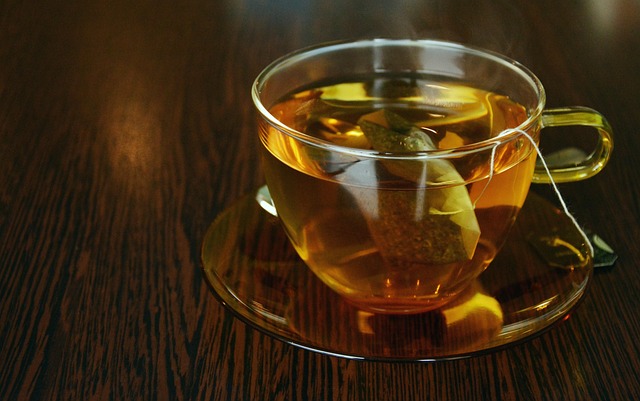
Hibiscus tea, known for its vibrant color and tart flavor, has gained attention for its potential effects on lowering blood pressure. Preliminary research has suggested that regular consumption of hibiscus tea may be beneficial in managing hypertension.
One study published in the Journal of Ethnopharmacology observed that drinking hibiscus tea led to a reduction in blood pressure among individuals with mild to moderate hypertension. The study found that the beneficial effects of hibiscus tea on blood pressure were comparable to those of commonly prescribed blood pressure medications. However, it is important to note that further high-quality studies are needed to confirm these findings and better understand the mechanisms behind hibiscus tea’s potential effects on blood pressure.
Research Studies on the Relationship Between Hibiscus Tea and Hypertension
Hibiscus tea has gained attention for its potential ability to lower blood pressure. Several research studies have been conducted to explore the relationship between hibiscus tea and hypertension. One study published in the Journal of Nutrition found that consuming hibiscus tea for six weeks significantly reduced both systolic and diastolic blood pressure in individuals with pre- or mild hypertension. Another study, published in the Journal of Hypertension, revealed that daily consumption of hibiscus tea for six weeks led to a significant decrease in systolic blood pressure among individuals with hypertension.
These research studies suggest a correlation between hibiscus tea consumption and blood pressure regulation, particularly for those with pre- or mild hypertension. However, more studies are needed to establish the precise mechanism and to examine its effects on individuals with severe hypertension. The potential benefits of hibiscus tea in managing blood pressure have sparked interest in further research in this area.
Potential Mechanisms of Action for Hibiscus Tea in Lowering Blood Pressure
Hibiscus tea has been studied extensively for its potential mechanisms of action in lowering blood pressure. Researchers have proposed several theories to explain how this herbal beverage may play a role in reducing hypertension.
One potential mechanism is the diuretic effect of hibiscus tea. Studies have shown that this tea can increase urine output, which may help to reduce the volume of blood circulating through the blood vessels. By excreting more fluid, the body may experience a decrease in blood volume, leading to a subsequent decrease in blood pressure.
Another possible mechanism is the vasodilatory effect of hibiscus tea. The tea contains bioactive compounds, such as flavonoids and anthocyanins, which have been shown to relax blood vessels. By promoting vasodilation, hibiscus tea may help to improve blood flow and reduce the resistance in the walls of the blood vessels, ultimately resulting in lower blood pressure.
Further research is needed to fully understand the mechanisms by which hibiscus tea may lower blood pressure. However, the diuretic and vasodilatory effects of this herbal beverage provide some insight into its potential therapeutic benefits for individuals with hypertension.
Exploring the Optimal Dosage and Duration of Hibiscus Tea Consumption
To fully understand the optimal dosage and duration of hibiscus tea consumption for blood pressure management, it is important to explore the available research and scientific studies. Research has indicated that consuming hibiscus tea in recommended dosages can potentially have a positive effect on blood pressure levels.
Clinical trials have suggested that a daily dosage of hibiscus tea ranging from 1.25 to 10 grams, steeped in 150-300 milliliters of water, can effectively lower blood pressure. However, it is crucial to note that individual responses to hibiscus tea may vary, and it is recommended to start with lower dosages and gradually increase as tolerated. Additionally, the duration of hibiscus tea consumption as a blood pressure management strategy has not been extensively studied. Future research is needed to determine the optimal duration of tea consumption and whether prolonged use can lead to enhanced benefits or potential risks.
Potential Side Effects and Precautions When Consuming Hibiscus Tea
Potential Side Effects:
While hibiscus tea is generally considered safe for consumption, it is important to note that it may cause certain side effects in some individuals. These side effects are typically mild and temporary, but it is still essential to be aware of them. Some people may experience an upset stomach or digestive discomfort after drinking hibiscus tea. In rare cases, individuals may also develop allergic reactions such as itching, rash, or difficulty breathing. If you experience any of these symptoms, it is advised to discontinue use and consult with a healthcare professional.
Precautions:
Although hibiscus tea offers potential health benefits, it is important to exercise caution when consuming it, especially for certain groups of people. Pregnant women are recommended to avoid consuming hibiscus tea, as it may induce uterine contractions. Additionally, individuals who have low blood pressure or are already taking medications to lower blood pressure should consult with their healthcare provider before incorporating hibiscus tea into their regimen. As hibiscus tea has diuretic properties and can affect blood pressure levels, it is important to ensure that its consumption aligns with your specific health needs.
Incorporating Hibiscus Tea into Your Daily Routine for Blood Pressure Management
If you are looking for a natural and refreshing way to manage your blood pressure, incorporating hibiscus tea into your daily routine could be worth considering. Renowned for its potential benefits in lowering blood pressure, hibiscus tea has gained attention in recent years. Its vibrant red color and tangy flavor make it a delightful beverage to enjoy throughout the day, while also potentially benefitting your cardiovascular health.
One of the simplest ways to include hibiscus tea in your daily routine is by replacing your regular caffeinated drinks with a cup of hibiscus tea. Whether you prefer it hot or cold, hibiscus tea can be consumed at any time of the day. Start your morning with a warm cup of hibiscus tea or sip on iced hibiscus tea during the afternoon to refresh and rejuvenate yourself. By swapping out high-caffeine beverages, you not only reduce your caffeine intake but also introduce a potential natural remedy for managing your blood pressure. So why not give hibiscus tea a try and see if it becomes a welcome addition to your daily routine?
What is the link between high blood pressure and cardiovascular health?
High blood pressure, also known as hypertension, can significantly impact cardiovascular health. It puts extra strain on the arteries, making them less flexible and more prone to damage. This can lead to serious conditions such as heart disease, stroke, and kidney problems.
How can lifestyle changes help manage hypertension?
Lifestyle changes play a crucial role in managing hypertension. By adopting a healthy diet, exercising regularly, maintaining a healthy weight, reducing stress, limiting alcohol consumption, and quitting smoking, individuals can effectively lower their blood pressure and improve overall cardiovascular health.
Can natural remedies help lower blood pressure?
Yes, certain natural remedies have shown promise in lowering blood pressure. One such remedy is hibiscus tea, which has been studied for its potential effects on blood pressure management.
What is hibiscus tea and how is it prepared and consumed?
Hibiscus tea is a herbal tea made from the dried calyces of the hibiscus flower. To prepare it, steep 1-2 teaspoons of dried hibiscus calyces in boiling water for 5-10 minutes. It can be consumed hot or cold, and you may add honey or lemon for taste.
What does scientific research say about hibiscus tea’s effects on blood pressure?
Scientific research suggests that hibiscus tea may have a modest effect in reducing blood pressure. Several studies have shown a correlation between hibiscus tea consumption and a decrease in both systolic and diastolic blood pressure levels.
What are the potential mechanisms of action for hibiscus tea in lowering blood pressure?
Hibiscus tea contains antioxidants and bioactive compounds that may help lower blood pressure by relaxing blood vessels, inhibiting certain enzymes, and reducing oxidative stress and inflammation in the body.
Is there an optimal dosage and duration for consuming hibiscus tea for blood pressure management?
The optimal dosage and duration of hibiscus tea consumption for blood pressure management may vary. However, studies have used doses ranging from 1-3 cups of hibiscus tea daily for a duration of 2-12 weeks. It is advisable to consult with a healthcare professional for personalized recommendations.
Are there any side effects or precautions to consider when consuming hibiscus tea?
While hibiscus tea is generally safe for consumption, it may interact with certain medications, including antihypertensive drugs, and have mild diuretic effects. Additionally, excessive consumption of hibiscus tea may cause stomach discomfort or a temporary drop in blood pressure. It is recommended to consult with a healthcare professional, especially if you have any existing medical conditions or are taking medications.
How can hibiscus tea be incorporated into a daily routine for blood pressure management?
Hibiscus tea can be easily incorporated into a daily routine for blood pressure management. It can replace other high-sugar or high-caffeine beverages and be consumed as a refreshing hot or iced tea throughout the day. It is important to remember that hibiscus tea should complement a healthy lifestyle and not be solely relied upon for blood pressure management.


