
Heading 1: Benefits of Raspberry Leaf Tea During Pregnancy
Raspberry leaf tea is often touted as a beneficial herbal remedy for pregnant women. It is believed to support a healthy pregnancy by toning the uterus and preparing it for labor and childbirth. Some women claim that drinking raspberry leaf tea during pregnancy helps to reduce the length of labor and alleviate common discomforts such as morning sickness, leg cramps, and swelling. However, it is important to note that scientific evidence to support these claims is limited, and more research is needed to confirm the benefits of raspberry leaf tea during pregnancy.
In addition to its potential effects on labor, raspberry leaf tea is also said to be rich in vitamins and minerals that can support overall health during pregnancy. It is a good source of iron, which is essential for the production of oxygen-carrying red blood cells. The tea is also believed to contain high levels of calcium, magnesium, and B vitamins, which are important for the development of the baby’s bones, teeth, and nervous system. However, it is recommended to consult with a healthcare professional before incorporating raspberry leaf tea into your pregnancy diet, as individual needs may vary.
Heading 2: How Raspberry Leaf Tea Can Support a Healthy Pregnancy
Raspberry leaf tea has long been associated with supporting a healthy pregnancy. Many women believe that it helps to tone the uterus, making contractions more effective during labor. It is also believed to promote a healthier cervix and reduce the risk of interventions during childbirth. Additionally, raspberry leaf tea is rich in vitamins and minerals that are important for both the mother and the baby, such as vitamin C, vitamin E, iron, and calcium.
One of the main ways raspberry leaf tea can support a healthy pregnancy is by strengthening the uterus. Some studies suggest that the tannins found in raspberry leaf tea may help to tone the muscles of the uterus, making them stronger and more efficient during labor. This can potentially lead to shorter, less painful labors, and a reduced risk of complications. Furthermore, the antioxidants in raspberry leaf tea may help to protect the cells of the cervix, preventing damage and supporting its health throughout pregnancy.
Heading 3: Understanding the Safety of Drinking Raspberry Leaf Tea Cold
When it comes to enjoying raspberry leaf tea during pregnancy, many women wonder about the safety of drinking it cold. While there is limited research specifically on the safety of consuming raspberry leaf tea cold, experts generally agree that it is safe to drink cold in moderation.
Raspberry leaf tea is known for its potential benefits in supporting a healthy pregnancy. It is rich in vitamins and minerals such as iron, calcium, and magnesium, which can promote overall well-being during pregnancy. The tea is also believed to strengthen the uterine muscles and potentially help prepare the body for labor. However, it is important to note that every individual is different, and consulting with a healthcare provider is always a wise choice before making any significant changes to your diet during pregnancy.
Heading 4: Exploring the Nutritional Properties of Raspberry Leaf Tea
Raspberry leaf tea is known for its rich nutritional profile, making it a popular choice for those seeking a natural boost to their health. Packed with vitamins and minerals, this herbal tea contains essential nutrients such as vitamin C, vitamin E, calcium, iron, and manganese. These nutrients are known for their various roles in supporting overall wellness and promoting a healthy immune system. Additionally, raspberry leaf tea is a great source of antioxidants, which are beneficial in combating the damaging effects of free radicals in the body.
Furthermore, raspberry leaf tea is also rich in flavonoids and phenolic compounds, which have been studied for their potential anti-inflammatory properties. These compounds are believed to help reduce inflammation in the body, which is crucial for maintaining optimal health. Moreover, raspberry leaf tea is low in calories and carbohydrates, making it a suitable option for those who are watching their weight or managing their blood sugar levels. Its mild flavor makes it a refreshing beverage that can be enjoyed at any time of the day.
Heading 5: Tips for Preparing and Drinking Raspberry Leaf Tea Cold
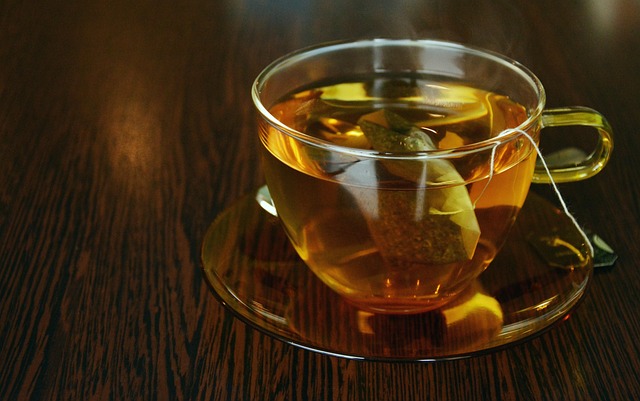
When it comes to preparing raspberry leaf tea cold, there are a few tips that can help you maximize the flavor and enjoyment of this herbal drink. Firstly, ensure that you are using high-quality raspberry leaf tea for the best taste. Look for organic and loose leaf options, as they often provide a richer flavor profile. To make a refreshing cold brew tea, simply add a handful of raspberry leaf tea to a pitcher of cold water and let it steep in the refrigerator for at least 6 hours or overnight.
For an extra twist of flavor, you can infuse your raspberry leaf tea with other ingredients. Fresh fruits like lemon, berries, or mint leaves can be added to the pitcher for a hint of natural sweetness. You can also experiment with adding a splash of honey or a drizzle of maple syrup if you prefer a sweeter taste. Once your tea is ready, strain out the tea leaves and garnish with fresh raspberries or a sprig of mint before serving over ice. Remember to adjust the amount of tea leaves and steeping time to suit your personal preference.
Heading 6: Possible Risks and Side Effects of Raspberry Leaf Tea Consumption
Raspberry leaf tea is generally considered safe for most pregnant women when consumed in moderate amounts. However, it is important to be aware of the potential risks and side effects associated with its consumption. Some women may experience stomach cramps or diarrhea after drinking raspberry leaf tea. This can be attributed to the tea’s natural ability to stimulate uterine contractions, which may lead to discomfort or an upset stomach. Additionally, raspberry leaf tea contains trace amounts of tannins, which can potentially interfere with the absorption of iron in the body. Therefore, it is advisable for pregnant women with anemia or low iron levels to consult with their healthcare provider before incorporating raspberry leaf tea into their routine.
Furthermore, while raspberry leaf tea is generally safe, it is important to note that every individual is unique, and what works well for one person may not work the same for others. Some women may be more sensitive to the herbal properties of raspberry leaf tea and may experience allergic reactions or other adverse effects. Additionally, it is crucial to remember that raspberry leaf tea should not be used as a substitute for medical advice or treatments recommended by healthcare professionals. It is always best to consult with a healthcare provider before adding any new herbal supplement to your diet, especially during pregnancy, to ensure its safety and suitability for your specific needs.
Heading 7: Research and Studies on the Use of Raspberry Leaf Tea During Pregnancy
Raspberry leaf tea has long been touted for its potential benefits during pregnancy, but it’s important to evaluate these claims based on scientific research and studies. Several studies have explored the effects of consuming raspberry leaf tea during pregnancy, aiming to determine its safety and potential advantages. One study published in the Journal of Midwifery & Women’s Health found that regular intake of raspberry leaf tea in the third trimester may help shorten labor duration, reduce the need for medical interventions, and lower the risk of pre- and post-term gestation. However, it’s crucial to note that more research is needed to establish a definitive link between raspberry leaf tea consumption and improved pregnancy outcomes.
In addition to labor-related benefits, raspberry leaf tea has been investigated for its potential effects on other aspects of pregnancy. A study published in the Australian Journal of Midwifery revealed that consuming raspberry leaf tea during pregnancy may lead to a decrease in the likelihood of developing gestational diabetes. Other research studies have examined raspberry leaf tea’s impact on postpartum recovery, with mixed results. While some studies have reported a reduction in postpartum complications and increased milk production among women who consumed raspberry leaf tea, further research is necessary to establish a conclusive relationship.
Heading 8: Alternative Ways to Incorporate Raspberry Leaf into Your Diet
One alternative way to incorporate raspberry leaf into your diet is by adding it to your favorite smoothie. Simply add a handful of fresh or dried raspberry leaves to your blender along with your choice of fruits, vegetables, and other ingredients. Blend until smooth and enjoy the added nutritional benefits of raspberry leaf in your refreshing smoothie.
Another option is to infuse raspberry leaf into your homemade salad dressings. You can prepare a simple raspberry leaf-infused vinaigrette by steeping a few raspberry leaves in olive oil for a few hours or overnight. Strain the leaves and combine the infused oil with vinegar, honey, and your preferred seasonings. Drizzle this flavorful dressing over your salads for a delicious and nutritious twist.
By exploring these alternative ways to incorporate raspberry leaf into your diet, you can enjoy its nutritional properties and potential benefits beyond just drinking it as tea.
Heading 9: Expert Recommendations on Raspberry Leaf Tea Consumption During Pregnancy
Expert Recommendations on Raspberry Leaf Tea Consumption During Pregnancy:
When it comes to consuming raspberry leaf tea during pregnancy, it is always recommended to consult with your healthcare provider before starting any new herbal regimen. While many women have reported positive experiences with raspberry leaf tea, it is important to understand that not all pregnancies are the same, and what works for one woman may not work for another. Your healthcare provider will be able to assess your specific needs and provide personalized advice on whether raspberry leaf tea is suitable for you.
In addition to seeking professional guidance, it is also advised to start drinking raspberry leaf tea gradually and in moderation. It is recommended to begin with no more than one cup per day during the second trimester and gradually increase the intake as your pregnancy progresses. This approach allows your body to adjust and ensures that you do not overconsume the tea. Remember that balance is key, and it is essential to listen to your body and make any necessary adjustments based on how you feel.
Heading 10: Final Thoughts on Enjoying Raspberry Leaf Tea Cold While Pregnant
Raspberry leaf tea is a popular choice for pregnant women looking to support their health and well-being during pregnancy. While hot tea is commonly enjoyed, many may wonder if it is safe to consume raspberry leaf tea cold while pregnant. It is important to note that there is limited research specifically on drinking raspberry leaf tea cold during pregnancy. However, based on available information, there is no evidence suggesting that consuming raspberry leaf tea cold poses any significant risks to pregnant women.
As with any herbal tea, it is always recommended to consult with your healthcare provider before incorporating raspberry leaf tea into your pregnancy routine. They can provide personalized guidance based on your individual circumstances and health considerations. Additionally, it is important to ensure that the raspberry leaf tea you choose is sourced from a reputable supplier to guarantee its quality and purity. Overall, enjoying raspberry leaf tea cold can be a refreshing and nourishing addition to your pregnancy journey, but it is always wise to seek professional advice and listen to your body’s signals when it comes to what feels right for you.
What are the benefits of drinking raspberry leaf tea during pregnancy?
Raspberry leaf tea is believed to help tone the uterus, ease labor pain, and promote a healthy pregnancy.
How can raspberry leaf tea support a healthy pregnancy?
Raspberry leaf tea is rich in vitamins and minerals that can support overall pregnancy health, including reducing morning sickness and promoting a healthy immune system.
Is it safe to drink raspberry leaf tea cold while pregnant?
Yes, it is generally safe to consume raspberry leaf tea cold during pregnancy. However, it is always recommended to consult with your healthcare provider before making any changes to your diet.
What are the nutritional properties of raspberry leaf tea?
Raspberry leaf tea contains vitamins C, E, and B, as well as minerals like magnesium, potassium, and iron.
How should I prepare and drink raspberry leaf tea cold?
To prepare cold raspberry leaf tea, simply steep the tea bags in cold water for several hours or overnight in the refrigerator. You can then add ice cubes or other ingredients for flavor, if desired.
Are there any risks or side effects of consuming raspberry leaf tea during pregnancy?
While raspberry leaf tea is generally considered safe, some women may experience mild side effects such as nausea or loose stools. It is important to consume it in moderation.
What does research say about the use of raspberry leaf tea during pregnancy?
Some studies suggest that raspberry leaf tea may have positive effects on labor outcomes, but more research is needed to fully understand its benefits and potential risks.
Are there alternative ways to incorporate raspberry leaf into my diet?
Yes, you can incorporate raspberry leaf into your diet by using it as an ingredient in smoothies, salads, or even as a seasoning for certain dishes.
What do experts recommend regarding raspberry leaf tea consumption during pregnancy?
Experts recommend consulting with your healthcare provider before consuming raspberry leaf tea during pregnancy to ensure it is safe for your individual circumstances.
Any final thoughts on enjoying raspberry leaf tea cold while pregnant?
Drinking raspberry leaf tea cold can be a refreshing and enjoyable way to reap its potential benefits during pregnancy. However, it is important to listen to your body and consult with your healthcare provider for personalized guidance.


