
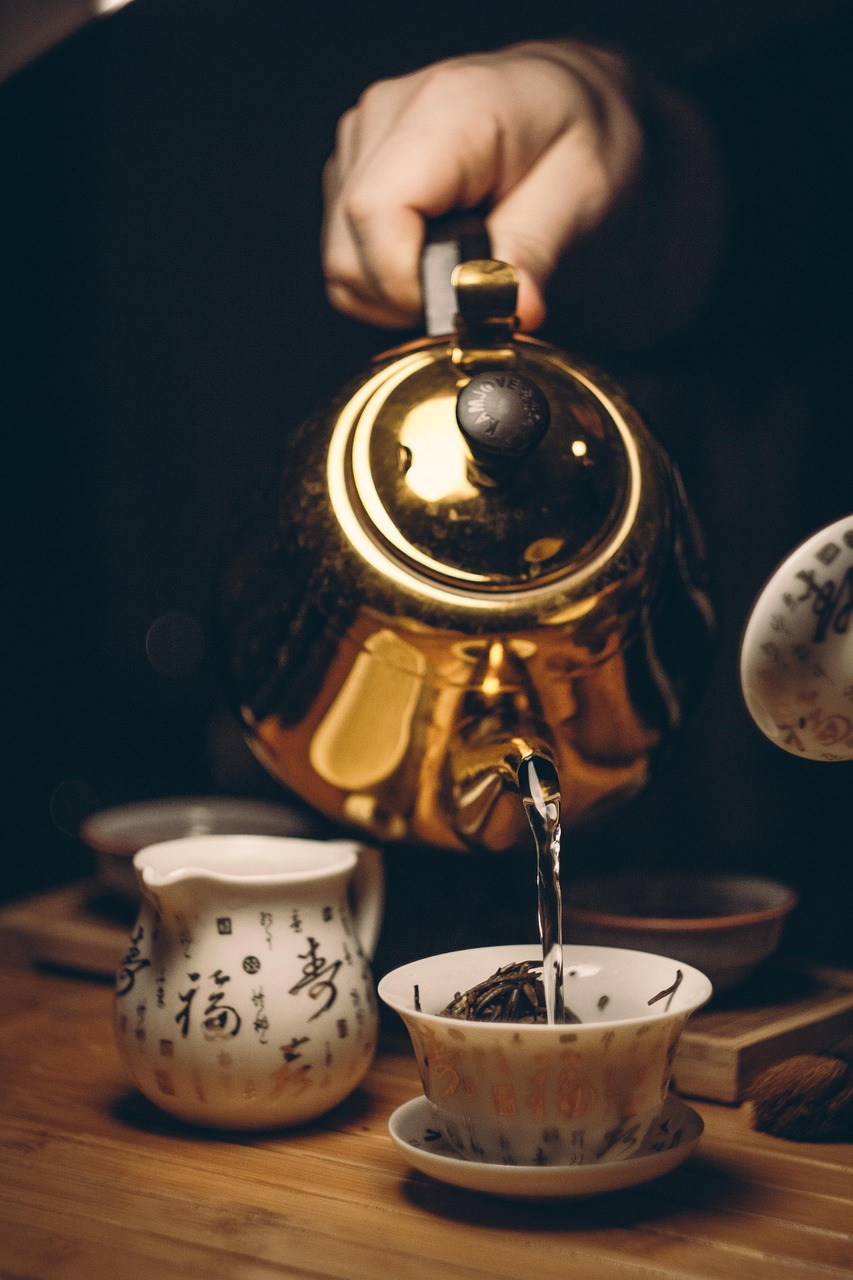
What is Black Tea?
Black tea is a type of tea that is more oxidized than green, white, or oolong teas. It is made from the leaves of the Camellia sinensis plant, which are withered, rolled, and fully fermented to develop its distinctive flavors and aroma. The processing method of black tea gives it a rich, bold flavor and dark color.
Black tea is known for its robust taste and caffeine content. It has a strong, malty flavor that is often described as earthy, slightly sweet, and sometimes even smoky. The caffeine content in black tea can vary depending on factors such as the variety of tea leaves used, the brewing time, and the water temperature. It is a popular beverage worldwide and is enjoyed both hot and cold. Black tea is also a commonly used base for flavored teas and is often combined with other ingredients such as fruits, spices, or flowers to create a wide variety of tea blends.
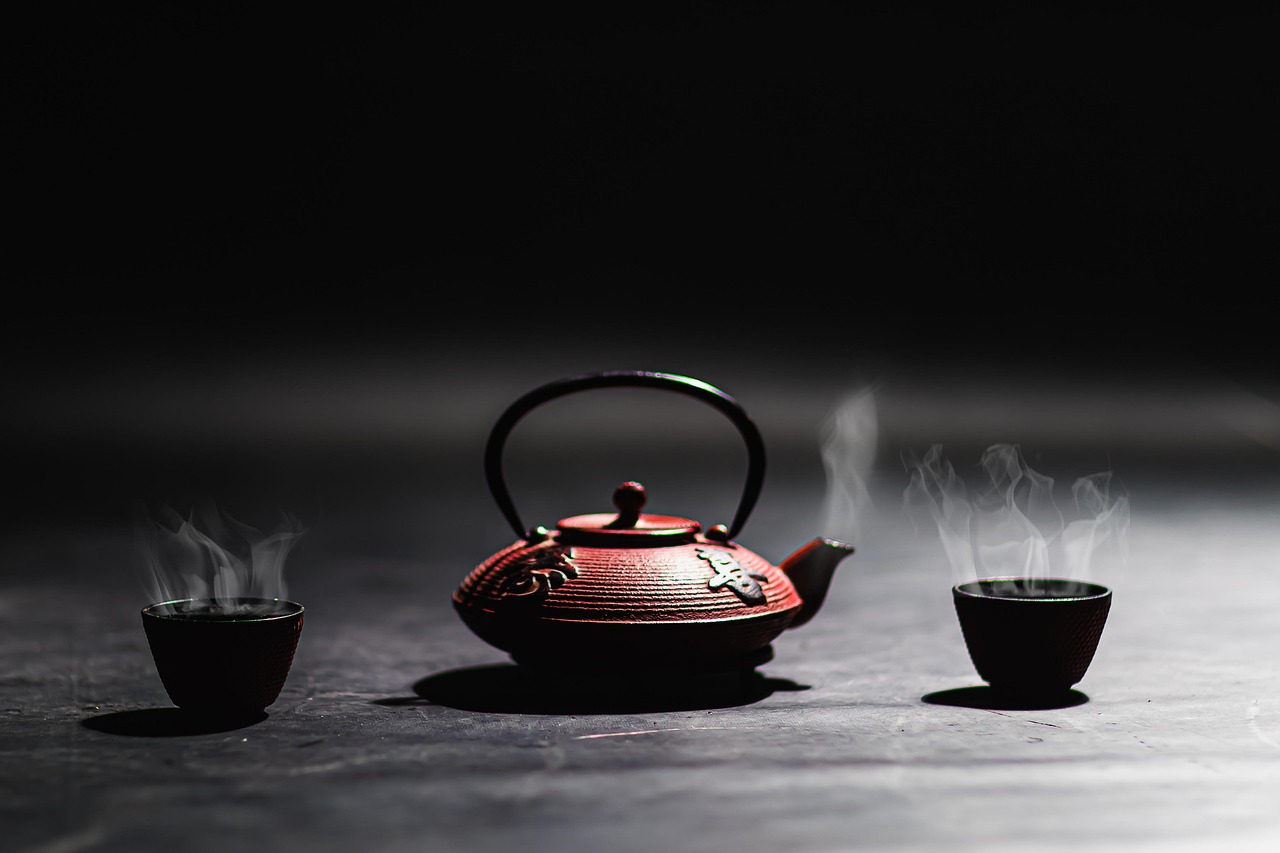
What Are the Different Types of Tea?
Tea is a widely consumed beverage around the world, known for its diverse varieties and flavors. There are several different types of tea, each with distinct characteristics and production methods. One of the most popular types is black tea.
Black tea is a type of tea that is more oxidized than others, resulting in a bold and robust flavor. It is made from the leaves of the Camellia sinensis plant, which undergo a process of withering, rolling, oxidation, and drying. The oxidation process gives black tea its characteristic dark color and rich taste. Some well-known varieties of black tea include Assam, Darjeeling, and Earl Grey, each with its own unique flavor profile. These teas are often enjoyed with milk or sugar, although they can also be consumed without any additives.
What Are the Health Benefits of Black Tea?
Black tea is not only a popular and refreshing beverage but also boasts several potential health benefits. Firstly, it contains antioxidants known as polyphenols which can help protect the body from damage caused by harmful free radicals. These antioxidants have been linked to reducing the risk of chronic diseases such as heart disease and certain types of cancers. Additionally, black tea has anti-inflammatory properties that may contribute to improved heart health by reducing the risk of heart disease and stroke.
Moreover, drinking black tea may also have positive effects on brain health. Research suggests that the presence of caffeine and an amino acid called L-theanine in black tea can enhance cognitive function and improve alertness and focus. In fact, black tea has been associated with a lower risk of developing neurodegenerative diseases, such as Parkinson’s and Alzheimer’s disease. However, it’s important to note that more studies are needed to fully understand the extent of these benefits and the optimal amount of black tea consumption for maximum health advantages.
What Are the Potential Side Effects of Black Tea?
Black tea is generally considered safe for consumption, but it is important to be aware of the potential side effects that may occur, especially if consumed in excessive amounts. One potential side effect of black tea is caffeine sensitivity. While most people can tolerate moderate amounts of caffeine without any issues, some individuals may experience symptoms like restlessness, increased heart rate, and difficulty sleeping after consuming black tea or other caffeinated beverages.
Another possible side effect of black tea is digestive distress. The tannins present in black tea may lead to stomach discomfort or even mild digestive issues like acid reflux or constipation in sensitive individuals. It is worth noting that these side effects are relatively rare and typically only occur in individuals who consume large quantities of black tea or have an underlying sensitivity to caffeine or tannins. As always, it is advised to listen to your body and consume black tea in moderation to ensure a positive tea-drinking experience.

How Does Caffeine Affect the Body?
Caffeine, a natural stimulant found in various beverages and foods, works to stimulate the central nervous system. When consumed, caffeine binds to adenosine receptors in the brain, preventing the natural sleep-inducing effects of adenosine. As a result, caffeine promotes wakefulness and alertness by increasing the release of neurotransmitters such as dopamine and adrenaline. This can lead to increased focus, improved cognitive function, and a temporary boost in energy levels.
Additionally, caffeine may also affect other bodily systems. It can enhance physical performance by stimulating the release of adrenaline, which can improve endurance and strength. Moreover, caffeine has been shown to increase metabolic rate, leading to a slight increase in calorie burning. However, with these potential benefits also come some potential drawbacks, such as disrupted sleep patterns, increased heart rate, and possible dependency. It is important for individuals to be aware of their own tolerance to caffeine and to consume it in moderation to avoid any negative effects.
What Are the Different Sources of Caffeine?
Caffeine, a natural stimulant that affects the central nervous system, can be found in various foods, beverages, and medications. One of the most common and widely consumed sources of caffeine is coffee. With its rich taste and energizing properties, coffee is a favored morning beverage for many individuals. Another significant source of caffeine is tea. Tea comes in various forms, such as black tea, green tea, and white tea, each offering its own unique flavor profile and caffeine content. Other sources of caffeine include energy drinks, soft drinks, and even some chocolate products.
Energy drinks, which are often marketed as providing a quick boost of energy, contain high levels of caffeine. These artificially flavored beverages also typically include other stimulants like taurine and guarana. Soft drinks, particularly cola-based sodas, can also contain caffeine, although in smaller amounts compared to coffee or energy drinks. Chocolate, especially dark chocolate, contains a compound called theobromine, which acts as a mild stimulant and is related to caffeine. While the caffeine content in chocolate is relatively low, sensitive individuals may still experience its effects.
Is Black Tea a Significant Source of Caffeine?
Black tea is known for its bold flavor and rich taste, but it is also a source of caffeine. While it may not have as high of a caffeine content as coffee or energy drinks, black tea still contains a significant amount of this stimulant. The exact amount of caffeine in black tea can vary depending on factors such as brewing time and the specific type of tea, but on average, an 8-ounce cup of black tea contains approximately 40-70 milligrams of caffeine.
For individuals who are sensitive to caffeine or prefer to limit their intake, black tea can still be enjoyed by opting for decaffeinated varieties. Decaffeinated black tea undergoes a process to remove most of the caffeine content while preserving the flavor and other beneficial compounds. However, it is worth noting that even decaffeinated black tea can still contain a small amount of caffeine, although significantly less than its regular counterpart. These options provide alternatives for those looking to enjoy the taste and benefits of black tea without the stimulating effects of caffeine.

How Much Caffeine Does Black Tea Contain?
Black tea, like many other teas, contains varying amounts of caffeine. The exact amount of caffeine in black tea can depend on various factors, such as the type of tea leaves used, the brewing method, and the steeping time. On average, an 8-ounce cup of black tea can contain anywhere from 14 to 70 milligrams of caffeine. However, it is important to note that these are approximate values, and the caffeine content can fluctuate.
Compared to other caffeinated beverages, such as coffee and energy drinks, black tea generally contains less caffeine. In fact, black tea typically has about half the amount of caffeine found in a cup of coffee. This makes black tea a popular choice for individuals who enjoy a moderate caffeine boost without the jittery side effects often associated with other beverages. However, it is essential to keep in mind that people’s sensitivity to caffeine can vary, and some individuals may still prefer to limit their consumption of black tea.
Does the Caffeine Content in Black Tea Vary?
The caffeine content in black tea can vary depending on various factors. One important factor is the type of tea leaves used. Camellia sinensis, the plant from which black tea is derived, has different varieties that can contain varying amounts of caffeine. For example, the Assam variety is known to have higher caffeine content compared to other types of black tea. The region in which the tea is grown can also influence the caffeine levels. Teas grown at higher altitudes tend to have higher caffeine content compared to those grown at lower altitudes.
Another factor that can affect the caffeine content is the processing method used. Black tea goes through a series of steps including withering, rolling, fermentation, and drying. The duration and temperature of these steps can impact the caffeine levels. Generally, longer fermentation times can lead to a reduction in caffeine content, while shorter fermentation times can preserve more of the caffeine. As a result, the caffeine content in black tea can vary depending on the processing techniques employed.
It is important to note that the variation in caffeine content in black tea is relatively minor compared to other caffeinated beverages. While the specific caffeine content can vary, on average, a cup of black tea may contain around 40-70 milligrams of caffeine. This is significantly lower than coffee, which can contain up to 100-200 milligrams of caffeine per cup. However, it is still higher than other non-caffeinated herbal teas. Understanding the possible variation in caffeine content of black tea can help individuals make informed choices regarding their caffeine intake.
How Does Black Tea Compare to Other Caffeinated Beverages?
Black tea is one of the most popular beverages around the world, loved for its distinct flavor and various health benefits. When it comes to comparing black tea to other caffeinated beverages, it’s important to consider certain factors. Firstly, black tea generally contains less caffeine than coffee. A cup of black tea typically contains around 40-70 milligrams of caffeine, while a cup of coffee can have anywhere from 95-200 milligrams. However, it is worth noting that the actual caffeine content can vary depending on factors such as brewing time and the type of tea leaves used.
In comparison to energy drinks, black tea also tends to have a lower caffeine content. Energy drinks often contain high levels of caffeine, ranging from 80-300 milligrams per serving. On the other hand, black tea is considered to be a moderate source. While it does provide a gentle boost of energy, it is generally less stimulating than energy drinks. Additionally, black tea contains other compounds, such as L-theanine, which has been shown to have a calming effect on the mind and promote mental clarity without the jitters often associated with high caffeine intake.
What is black tea?
Black tea is a type of tea that is more oxidized than green, white, and oolong teas. It is known for its bold flavor and dark color.
What are the different types of tea?
There are several types of tea, including black tea, green tea, white tea, oolong tea, and herbal tea. Each type varies in terms of processing and flavor.
What are the health benefits of black tea?
Black tea is rich in antioxidants, which can help protect the body against chronic diseases. It may also promote heart health, improve gut health, and boost brain function.
What are the potential side effects of black tea?
While black tea is generally safe for most people, excessive consumption can lead to side effects such as caffeine sensitivity, digestive issues, and increased risk of kidney stones.
How does caffeine affect the body?
Caffeine is a natural stimulant that can enhance alertness and focus. It can also increase heart rate, blood pressure, and promote diuresis.
What are the different sources of caffeine?
Caffeine can be found in various sources such as coffee, tea, chocolate, energy drinks, and some medications.
Is black tea a significant source of caffeine?
Yes, black tea contains caffeine, although the amount may vary depending on factors such as the brewing time and the brand of tea.
How much caffeine does black tea contain?
On average, an 8-ounce cup of black tea contains about 40-70 milligrams of caffeine. However, this can vary depending on the brewing process and the specific type of tea.
Does the caffeine content in black tea vary?
Yes, the caffeine content in black tea can vary based on factors such as the steeping time, water temperature, and the type of tea leaves used.
How does black tea compare to other caffeinated beverages?
In comparison to other caffeinated beverages, such as coffee and energy drinks, black tea generally contains less caffeine. However, it can still provide a moderate energy boost and has other health benefits.


