
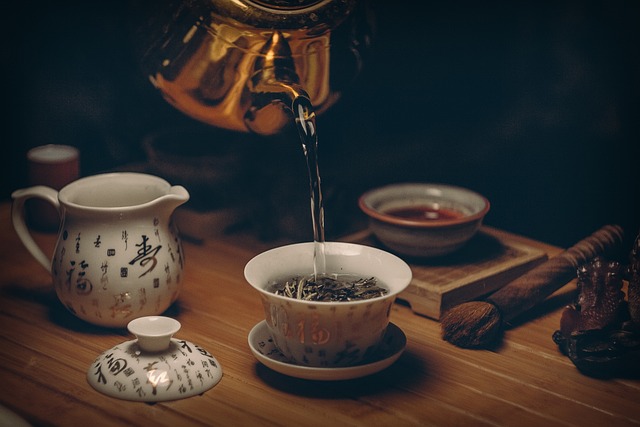
Origins and History: tracing the origins and historical development of tea ceremonies.
The origins of tea ceremonies can be traced back thousands of years to ancient China. Tea was initially consumed for its medicinal properties and was used by Buddhist monks as a means of staying awake during long periods of meditation. Over time, the practice of preparing and serving tea evolved into a ceremonial ritual, which was associated with graciousness, hospitality, and harmony.
During the Tang Dynasty (618-907), tea ceremonies gained popularity among the aristocracy and were considered a form of art. It was during this period that tea masters began to develop specific techniques and rituals for the preparation and serving of tea. The Song Dynasty (960-1279) further refined the tea ceremony, with the introduction of powdered tea and the advent of tea schools that emphasized the harmonization of body, mind, and spirit through tea. From China, tea ceremonies spread to other parts of Asia, including Japan, where they took on unique cultural and artistic expressions.
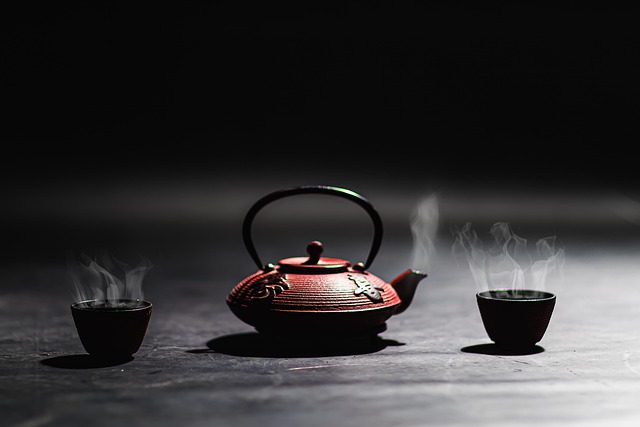
Cultural Significance: exploring the cultural significance and symbolism associated with tea ceremonies.
Tea ceremonies hold deep cultural significance and are imbued with rich symbolism in many societies around the world. These ceremonies serve as a means of promoting harmony, tranquility, and mindfulness, allowing individuals to escape the chaos of everyday life and find solace in the present moment. The ritualistic nature of tea ceremonies also fosters a sense of community, as participants come together to share in this timeless tradition.
In addition to their spiritual and social significance, tea ceremonies are often associated with cultural identity and heritage. Different cultures have developed their own unique tea ceremony traditions, such as the elaborate chanoyu in Japan or the serene gongfu cha in China. By participating in these ceremonies, individuals not only connect with their own cultural roots but also gain a deeper understanding and appreciation for the customs and traditions of others. It is through these shared experiences that tea ceremonies have become a universal language, transcending borders and fostering cultural exchange.
Tea Ceremony Types: discussing different types of tea ceremonies practiced around the world.
In different parts of the world, tea ceremonies have evolved and taken on unique cultural characteristics. One significant type is the Chinese tea ceremony, also known as Gongfu Cha. This ceremony emphasizes the art of preparing and serving tea, with a focus on the authenticity of the tea leaves and their optimum flavors. The Chinese tea ceremony involves precise brewing techniques, such as multiple short infusions, to ensure a well-balanced and flavorful cup of tea.
Another famous tea ceremony is the Japanese tea ceremony, known as Chanoyu or Sado. Rooted in Zen Buddhism, this traditional ceremony is a meditative and highly ritualistic practice. The Japanese tea ceremony values simplicity, harmony, and respect. It involves meticulously performed procedures, including the preparation of matcha, a powdered green tea, and the precise steps of pouring and receiving tea. The serene ambiance and attention to detail presented in the Japanese tea ceremony make it a testament to the appreciation of beauty and tranquility.
Tea Ceremony Equipment: examining the essential equipment and utensils used in a tea ceremony.
When it comes to participating in a tea ceremony, certain equipment and utensils are essential for creating an authentic experience. The most iconic and recognizable item is the tea bowl, typically made from ceramic or porcelain. These bowls are carefully crafted and come in various shapes and sizes. The tea bowl serves not only as a vessel for drinking tea but also as an important aesthetic element, as its appearance and design can greatly enhance the overall ambiance of the ceremony.
Another essential piece of equipment is the tea scoop, also known as a chashaku. Typically made from bamboo, the tea scoop is used to measure and transfer the powdered tea, known as matcha, into the tea bowl. Its elegant and delicate design allows for precise measurements, ensuring the perfect amount of tea is used in each preparation. The tea scoop is not only functional but also holds symbolic significance in the tea ceremony, representing an important connection between the tea master and participants.
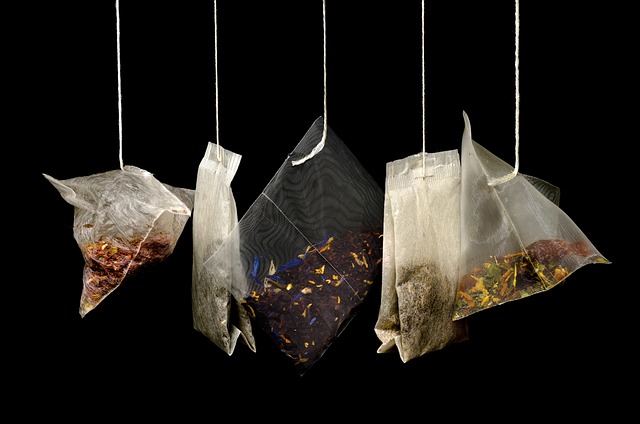
Tea Selection: exploring the importance of tea selection and the different types of tea used in ceremonies.
When it comes to a tea ceremony, the selection of tea is of utmost importance. Different types of tea are chosen based on various factors such as the season, occasion, and personal preferences. The selection of tea not only contributes to the flavor and aroma but also plays a significant role in the overall experience of the tea ceremony. Each type of tea has its own unique characteristics and brewing techniques, creating a diverse range of options for participants to explore and appreciate.
In a traditional Japanese tea ceremony, matcha, a powdered green tea, is the most common choice. Matcha is known for its vibrant green color and rich, umami flavor. Its preparation involves meticulous steps, such as sifting, whisking, and carefully controlling the water temperature, to ensure the perfect infusion. The process, along with the distinct taste of matcha, creates a sense of mindfulness and tranquility during the ceremony. Other types of tea used in tea ceremonies around the world include oolong, jasmine, white tea, and Pu-erh, each offering its own distinctive taste profiles and contributions to the overall ceremony experience.
Preparation Rituals: delving into the meticulous rituals and preparations involved in a tea ceremony.
The preparation rituals in a tea ceremony are an integral part of the overall experience, embodying the discipline and mindfulness associated with this ancient tradition. Every detail, from the selection of tea leaves to the arrangement of utensils, is meticulously planned and executed. The ceremony begins with the cleansing of the tea utensils and the preparation of the tea room, which involves sweeping the floor, arranging flowers, and creating a serene atmosphere.
Next, the tea is carefully measured and placed in a teapot or teacup, depending on the type of ceremony. The water is heated to the appropriate temperature, ensuring that the unique flavor and aroma of the tea are fully extracted. The tea is then expertly brewed, with each step performed with grace and precision. The entire process is a labor of love, with the tea ceremony practitioner embodying mindfulness and respect for the tea, as well as for the guests who will soon partake in this sacred ritual.
Tea Ceremony Etiquette: discussing the proper etiquette and behavior expected during a tea ceremony.
During a tea ceremony, there are specific etiquette and behaviors that are expected to be followed to uphold the harmony and respect of the ritual. One of the key aspects of tea ceremony etiquette is the act of bowing. Participants are expected to bow upon entering the tea room as a sign of respect to the host and to fellow guests. This gesture of humility sets the tone for the ceremony and acknowledges the sense of reverence that is integral to the tea ceremony.
Another important aspect of tea ceremony etiquette is the seating arrangement. Guests are typically seated in a specific order, with the most honored guest or the guest of honor sitting closest to the alcove where the tea ceremony takes place. The seating arrangement reflects a sense of hierarchy and is carefully determined by the host. It is also customary for guests to wait to be seated until the host indicates where they should sit. This ensures that proper respect is given to the host’s authority and knowledge throughout the ceremony. In addition, guests should keep their feet tucked beneath them and avoid pointing their feet towards the tea utensils or the tokonoma, a decorative alcove in the tea room. This polite gesture is a sign of courtesy and helps maintain the serene atmosphere of the tea ceremony.
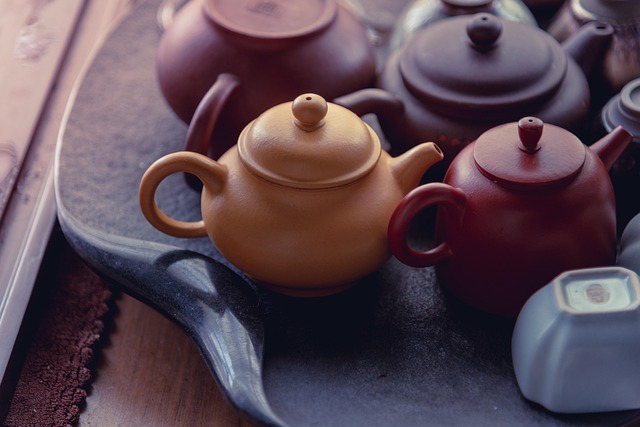
Tea Ceremony Masters: highlighting the role and significance of tea ceremony masters in preserving this tradition.
Tea ceremony masters play a pivotal role in the preservation and perpetuation of the rich tradition of tea ceremonies. These individuals, often considered custodians of cultural heritage, are highly skilled and knowledgeable in the art of tea preparation and the associated rituals. Through their expertise and dedication, tea ceremony masters ensure the authenticity and integrity of this ancient practice.
One of the primary responsibilities of tea ceremony masters is to pass down their wisdom and expertise to the next generation. They do so by training and mentoring aspiring tea practitioners, imparting not only technical skills but also the philosophical and spiritual aspects of the tea ceremony. By upholding the standards and values of this tradition, tea ceremony masters ensure that the art form remains alive and vibrant for future generations to appreciate and cherish. Their deep respect for cultural heritage makes them invaluable contributors to the preservation of tea ceremonies around the world.
Health Benefits: exploring the potential health benefits associated with participating in a tea ceremony.
The practice of participating in a tea ceremony holds potential health benefits, both for the body and the mind. One of the primary advantages lies in the act of slowing down and being present in the moment. In today’s fast-paced world, the simple act of sitting down, brewing and savoring a cup of tea can provide a much-needed respite from the pressures of daily life. This mindful practice of being fully engaged in the experience can help reduce stress levels and promote relaxation.
Additionally, certain types of tea used in tea ceremonies are known for their various health properties. Green tea, for example, is rich in antioxidants which can help boost the immune system and promote overall well-being. It is believed to have anti-inflammatory properties and may even aid in weight management. Another popular type of tea used in ceremonies is matcha, a powdered green tea. Matcha is known for its high concentration of antioxidants and amino acids, providing a natural source of energy and enhancing focus and concentration.
Modern Adaptations: discussing how tea ceremonies have evolved and adapted to the modern world.
Tea ceremonies, steeped in tradition and history, have not been immune to the influence of modernity. As the world continues to evolve, so too are these ancient rituals finding their place in the modern era. While some purists may argue that any adaptation dilutes the authenticity of the ceremony, others embrace the opportunity for innovation and reinterpretation.
One significant modern adaptation is the incorporation of technology into tea ceremonies. With the rise of digital platforms, virtual tea ceremonies have emerged, allowing participants to connect with tea masters from across the globe. Through video conferencing and live streaming, individuals can now experience the art of tea without geographical limitations. Although some may argue that this technology-driven approach lacks the essence of traditional face-to-face ceremonies, it opens up new avenues for cultural exchange and accessibility.
Another modern adaptation is the fusion of tea ceremonies with other art forms. This trend has given rise to tea performances, where the art of tea is blended with music, dance, and visual arts. These interdisciplinary collaborations provide a fresh perspective on the traditional tea ceremony and attract a wider audience. By embracing contemporary elements, tea ceremonies are able to connect with a younger generation, breathing new life into an ancient practice.
What is a tea ceremony?
A tea ceremony is a ritualistic practice that involves the preparation and serving of tea in a traditional and precise manner.
Where did tea ceremonies originate?
Tea ceremonies originated in China during the Tang Dynasty (618-907 AD) and later spread to other countries in East Asia, such as Japan and Korea.
What is the cultural significance of tea ceremonies?
Tea ceremonies hold great cultural significance as they are deeply rooted in the traditions, values, and symbolism of the countries where they are practiced. They often represent harmony, respect, and tranquility.
Are there different types of tea ceremonies?
Yes, there are various types of tea ceremonies practiced around the world, such as the Japanese tea ceremony (also known as “chanoyu”) and the Chinese tea ceremony (known as “gongfu cha”).
What equipment is used in a tea ceremony?
Essential equipment and utensils used in a tea ceremony include a tea bowl, tea whisk, tea scoop, tea caddy, water kettle, and a tea tray.
How important is tea selection in a tea ceremony?
Tea selection is crucial in a tea ceremony as it plays a significant role in determining the flavor, aroma, and overall experience of the ceremony. Different types of tea, such as green tea, matcha, or oolong, may be used.
What preparations are involved in a tea ceremony?
A tea ceremony involves meticulous rituals and preparations, including cleaning the tea utensils, heating the water to the correct temperature, whisking the tea, and arranging the tea room or space.
What etiquette is expected during a tea ceremony?
Proper etiquette and behavior are highly valued in a tea ceremony. Participants are expected to show respect, mindfulness, and appreciation towards the host and the tea being served.
What is the role of a tea ceremony master?
A tea ceremony master, often referred to as a tea master, is highly skilled and knowledgeable in the art of tea ceremonies. They play a crucial role in preserving and passing on this tradition to future generations.
Are there any health benefits associated with participating in a tea ceremony?
Participating in a tea ceremony can have potential health benefits, such as promoting relaxation, mindfulness, and a sense of overall well-being. Additionally, certain types of tea used in ceremonies may offer specific health benefits due to their natural properties.
How have tea ceremonies adapted to the modern world?
Tea ceremonies have evolved and adapted to the modern world by incorporating contemporary elements, such as incorporating technology in tea preparation, offering tea ceremonies in non-traditional settings, and embracing a more inclusive approach to tea ceremonies.


