
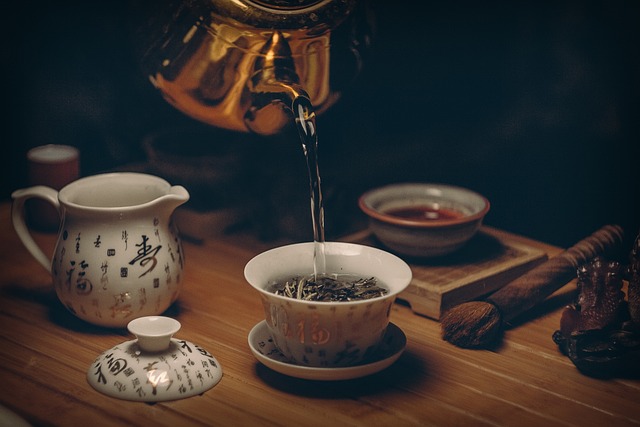
Soothing Digestive Aid: Exploring the positive effects of peppermint tea on digestion
Peppermint tea has long been hailed for its powerful effects on digestion. The soothing properties of peppermint help to relax the muscles of the gastrointestinal tract, promoting smoother and more efficient digestion. This can be particularly beneficial for those who suffer from digestive issues such as bloating, gas, and indigestion. Additionally, peppermint tea has been found to have anti-inflammatory properties, which can help to reduce inflammation in the gut and alleviate discomfort. Whether enjoyed after a large meal or as a regular part of your wellness routine, peppermint tea can provide a natural and effective way to support healthy digestion.
But it’s not just the physical properties of peppermint tea that make it a soothing digestive aid. The aroma of peppermint has been shown to stimulate the production of digestive enzymes, which can enhance the breakdown and absorption of nutrients. This can be especially helpful for individuals with conditions that affect the digestive system, such as irritable bowel syndrome (IBS) or inflammatory bowel disease (IBD). In addition, the menthol component in peppermint has been found to have a calming effect on the muscles of the intestines, reducing spasms and easing digestive discomfort. So, whether you’re experiencing occasional digestive issues or looking to support overall gut health, a cup of peppermint tea can be a simple and effective solution.
Natural Stress Reliever: How peppermint tea can help reduce stress and anxiety
Peppermint tea has long been hailed for its ability to alleviate stress and anxiety. The soothing aroma and taste of peppermint tea have a calming effect on the body, promoting relaxation and tranquility. The menthol in peppermint tea acts as a natural muscle relaxant, helping to ease tension and reduce feelings of anxiety. Additionally, peppermint tea contains compounds that have been found to have mood-stabilizing properties, helping to enhance overall well-being and promote a sense of calmness.
Not only does peppermint tea provide immediate relief from stress and anxiety, but it also has long-term benefits for mental health. Regular consumption of peppermint tea has been shown to improve cognitive function, boost mood, and reduce the risk of developing chronic stress-related conditions such as depression and anxiety disorders. By incorporating peppermint tea into your daily routine, you can create a natural and healthy way to manage stress and promote emotional well-being.
Relieving Headaches: Unveiling the potential of peppermint tea in alleviating headaches
Peppermint tea has long been hailed for its potential to alleviate headaches. Its soothing and cooling properties have been found to provide relief from tension headaches, migraines, and sinus headaches. The menthol present in peppermint tea acts as a natural muscle relaxant, helping to ease the tension in the head and neck that often accompanies headaches. Additionally, the tea’s anti-inflammatory properties can help reduce inflammation in the blood vessels, which is often a contributing factor to headache pain.
One study conducted on the effects of peppermint oil on headaches found that inhaling peppermint oil vapors significantly reduced the severity of headache symptoms. This suggests that drinking peppermint tea, which contains the same beneficial compounds as peppermint oil, may have similar effects. While further research is needed to fully understand the mechanisms behind peppermint tea’s headache-relieving properties, its potential as a natural remedy for headaches is promising.
Boosting Immune System: Understanding how peppermint tea can support a healthy immune system
Peppermint tea, with its refreshing taste and soothing aroma, has long been enjoyed as a comforting beverage. Beyond its delightful flavor, peppermint tea is also believed to offer immune-boosting properties. Rich in antioxidants, this herbal brew may help support a healthy immune system by fighting against free radicals and reducing oxidative stress. Moreover, peppermint tea contains antibacterial and antiviral properties that could potentially aid in warding off harmful pathogens and infections. This natural beverage may serve as a simple yet effective addition to one’s daily routine, helping to strengthen and maintain a robust immune defense.
In addition to its antioxidant and antimicrobial properties, peppermint tea may also assist in enhancing immune function by reducing inflammation. Chronic inflammation often weakens the immune system, making the body more susceptible to diseases and infections. Peppermint tea contains compounds that have been found to possess anti-inflammatory properties, which could potentially help alleviate inflammation within the body. By calming inflammation, this herbal brew may contribute to a stronger immune system, improving the body’s ability to defend against various illnesses and promote overall well-being.

Weight Management: Investigating the role of peppermint tea in weight loss and management
Peppermint tea, apart from its refreshing taste and aroma, has been hailed for its potential role in weight management. Many individuals who are conscious of their weight are turning to this herbal drink as a natural supplement to their diet and exercise routines. Studies have shown that peppermint tea may aid weight loss by boosting metabolism and suppressing appetite.
The active compounds found in peppermint, particularly menthol, have been found to stimulate the digestive system, leading to an increase in metabolic rate. This can potentially result in the body burning more calories throughout the day. Additionally, the natural aroma of peppermint has been shown to reduce cravings and appetite, making it easier for individuals to adhere to a healthy eating plan. While peppermint tea alone is not a miraculous weight loss solution, it can certainly be a beneficial addition to a balanced lifestyle aimed at achieving and maintaining a healthy weight.
Enhancing Focus and Concentration: Exploring the cognitive benefits of peppermint tea
Peppermint tea has long been touted for its potential cognitive benefits, particularly in enhancing focus and concentration. The invigorating aroma and taste of peppermint tea stimulate the senses, providing a refreshing boost to mental alertness. This natural remedy has shown promising results in improving cognitive performance, making it an ideal choice for those seeking to optimize their focus and concentration.
Studies have indicated that the active compounds found in peppermint tea, such as menthol and rosmarinic acid, can have a positive impact on brain function. Menthol, in particular, has been found to increase alertness and improve memory and attention span. Additionally, peppermint tea’s soothing properties can help reduce stress and anxiety, further enhancing cognitive function. Whether enjoyed in the morning to kickstart the day or during an afternoon slump, peppermint tea can be a simple yet effective way to promote mental clarity and sharpen focus.
Improving Sleep Quality: Unveiling how peppermint tea can contribute to better sleep
Peppermint tea, known for its refreshing taste and soothing aroma, is not only a delightful beverage but also has the potential to enhance the quality of your sleep. The natural compounds found in peppermint tea, such as menthol, have been known to relax the muscles and promote a sense of calmness, making it easier to unwind before bedtime. Sipping on a warm cup of peppermint tea in the evening can help create a peaceful atmosphere and prepare your body for a restful night’s sleep.
Additionally, the menthol in peppermint tea can act as a mild sedative, which may aid in falling asleep faster and staying asleep throughout the night. It can also help alleviate common sleep disturbances, such as insomnia or restless sleep, allowing you to wake up feeling refreshed and rejuvenated. Incorporating peppermint tea into your nightly routine might be a simple and natural way to improve your sleep quality and overall well-being.

Relieving Menstrual Pain: Investigating the potential of peppermint tea in alleviating menstrual cramps
Menstrual cramps can be a bothersome and painful experience for many women. While there are various over-the-counter medications available to alleviate the discomfort, some individuals may prefer a more natural approach. Peppermint tea, known for its soothing properties, has been suggested as a potential remedy for relieving menstrual pain.
Peppermint tea contains menthol, a compound known for its antispasmodic effects. This means that it can help relax the muscles, including those in the uterus, which may be responsible for the cramps experienced during menstruation. Additionally, peppermint tea has been found to have analgesic properties, which can provide relief from pain. While more research is needed to fully understand the role of peppermint tea in alleviating menstrual cramps, initial studies have shown promising results.
Fighting Bad Breath: Exploring the breath freshening properties of peppermint tea
Peppermint tea has long been utilized for its refreshing and invigorating properties, and it turns out that it may also be a powerful ally in the battle against bad breath. This aromatic tea contains menthol, a compound known for its cooling effect on the body and its ability to freshen breath. When consumed, peppermint tea can help neutralize unpleasant odors in the mouth, leaving a clean and minty-fresh feeling behind.
The antibacterial properties of peppermint tea further contribute to its breath-freshening benefits. By inhibiting the growth of bacteria in the mouth, it can help reduce the formation of plaque, tartar, and oral infections, all of which can contribute to halitosis. Regularly incorporating peppermint tea into your oral hygiene routine may not only combat bad breath but also promote a healthier mouth overall.
Supporting Respiratory Health: Understanding how peppermint tea can aid in respiratory issues.
Peppermint tea has long been recognized for its numerous health benefits, particularly in supporting respiratory health. The natural menthol content of peppermint leaves can help to soothe and relax the muscles of the respiratory system, promoting easier breathing. Whether you suffer from the common cold, allergies, or respiratory conditions such as asthma, incorporating peppermint tea into your daily routine may offer some relief.
Studies have shown that the anti-inflammatory and antioxidant properties of peppermint tea can help reduce inflammation in the airways, making it easier for air to flow through. In addition, the menthol present in peppermint tea acts as a natural decongestant, helping to clear blocked nasal passages and alleviate symptoms of congestion. Regular consumption of peppermint tea can also help to loosen mucus, making it easier to expel and providing relief from coughing and throat irritation.
How does peppermint tea aid in respiratory issues?
Peppermint tea contains menthol, which has a soothing effect on the respiratory system. It can help to open up airways, reduce congestion, and relieve respiratory symptoms such as coughing and wheezing.
Can peppermint tea be used to treat asthma?
While peppermint tea may provide temporary relief for asthma symptoms, it is not a substitute for prescribed asthma medication. It is always important to consult with a healthcare professional for proper asthma management.
Is peppermint tea effective in treating common colds and flu?
Peppermint tea can provide some relief from common cold and flu symptoms, such as congestion and coughing. However, it does not cure or prevent these illnesses. It is best to consult a healthcare professional for appropriate treatment options.
How often should one drink peppermint tea for respiratory health benefits?
There is no specific recommendation for how often to drink peppermint tea for respiratory health benefits. It can be enjoyed as a part of a balanced diet and a healthy lifestyle. However, individuals with specific respiratory conditions should consult with their healthcare provider for personalized guidance.
Can peppermint tea help with allergies?
Peppermint tea may help alleviate symptoms associated with allergies, such as nasal congestion and sinus pressure. However, it is not a substitute for proper allergy management and medical advice. Consult with a healthcare professional for appropriate treatment options.
Are there any side effects of consuming peppermint tea for respiratory health?
Peppermint tea is generally considered safe for most people when consumed in moderate amounts. However, some individuals may experience side effects such as heartburn, allergic reactions, or interactions with certain medications. It is advisable to consult with a healthcare professional if you have any concerns or medical conditions.
Can children drink peppermint tea for respiratory health?
It is generally recommended to avoid giving peppermint tea to children, especially infants and toddlers, as it may cause adverse reactions or interfere with their medication. It is best to consult with a pediatrician before giving peppermint tea to children for any health purposes.
Can peppermint tea be used as a remedy for chronic respiratory conditions?
Peppermint tea may provide temporary relief for respiratory symptoms associated with chronic conditions such as asthma or bronchitis. However, it is not a substitute for prescribed medication and medical treatment. It is important to work closely with a healthcare professional for proper management of chronic respiratory conditions.
Is it safe to drink peppermint tea while pregnant or breastfeeding?
While peppermint tea is generally considered safe for consumption during pregnancy and breastfeeding, it is recommended to consult with a healthcare professional before adding it to your diet. They can provide personalized advice based on your specific circumstances.
Can peppermint tea be used to treat respiratory infections?
Peppermint tea may help alleviate some symptoms associated with respiratory infections, such as congestion and coughing. However, it is not a substitute for medical treatment. Consult with a healthcare professional for appropriate diagnosis and treatment of respiratory infections.


