
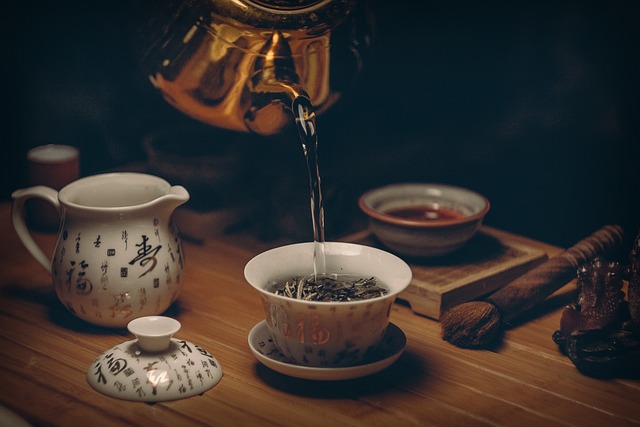
Lavender Tea: Harnessing the Power of Aromatherapy for Restful Sleep
Lavender tea, with its delicate floral aroma, has long been associated with relaxation and peacefulness. This aromatic herbal tea is often used as a natural remedy to promote restful sleep. The soothing scent of lavender has been shown to have a calming effect on the mind and body, helping to reduce stress and anxiety that can interfere with a good night’s rest.
In addition to its pleasant aroma, lavender tea also offers potential health benefits that promote sleep. Lavender contains compounds called linalool and linalyl acetate, which have been found to have sedative effects. These compounds may help to relax the nervous system and promote a sense of tranquility, making it easier to fall asleep and stay asleep throughout the night. Whether enjoyed as a warm cup of tea before bedtime or used as an essential oil in a diffuser, lavender tea can be a gentle and natural way to support restful sleep.
Valerian Root Tea: Exploring the Natural Sleep Aid
Valerian root tea has long been sought after for its potential as a natural sleep aid. The herb itself, extracted from the roots of the Valeriana officinalis plant, has been used for centuries to promote relaxation and calmness. Advocates of valerian root tea often attribute its sleep-inducing properties to compounds called valerenic acid and valeranon, which are believed to interact with certain neurotransmitters in the brain. While scientific research on its effectiveness is limited, anecdotal evidence suggests that valerian root tea may help individuals fall asleep faster and experience improved sleep quality.
One of the main reasons people turn to valerian root tea is its mild sedative effect. It is thought to promote the production of gamma-aminobutyric acid (GABA), a neurotransmitter that helps regulate sleep and calm the central nervous system. This, in turn, may induce feelings of drowsiness and help facilitate a more restful slumber. Additionally, valerian root tea is often praised for its potential to reduce anxiety, which can be a common culprit of insomnia. By promoting relaxation and easing feelings of stress, valerian root tea may provide individuals with a sense of tranquility leading to a better night’s sleep.
Passionflower Tea: Calming Your Mind for a Peaceful Slumber
Passionflower tea, derived from the passionflower plant, has been treasured for centuries for its calming properties. This herbal infusion is often celebrated for its ability to promote a peaceful slumber by soothing the mind and reducing feelings of anxiety and restlessness.
One of the key components of passionflower tea is flavonoids. These plant-based compounds have been found to have sedative effects, helping to relax the central nervous system and induce a sense of tranquility. By calming the mind and reducing racing thoughts, passionflower tea can create the ideal conditions for a restful sleep. Many people also find that drinking passionflower tea before bed helps to alleviate symptoms of insomnia and promote a more peaceful and uninterrupted sleep. So, if you’re seeking a natural way to calm your mind and achieve a restful slumber, a cup of passionflower tea might just be the perfect bedtime companion.
Peppermint Tea: Discovering Its Soothing Effects on Sleep Quality
Peppermint tea is a popular and refreshing beverage that has been enjoyed for centuries. Aside from its invigorating taste and aroma, it also offers soothing effects that can contribute to improved sleep quality.
One of the key ways in which peppermint tea aids in promoting better sleep is through its ability to relax the muscles and relieve tension. As a natural muscle relaxant, it can alleviate discomfort and help prepare the body for a restful night’s sleep. Additionally, peppermint tea contains menthol, which has a cooling and calming effect on the body. This can help reduce restlessness and promote a sense of tranquility, making it easier to fall asleep and stay asleep throughout the night.
Incorporating a cup of peppermint tea into your evening routine may provide you with a soothing and enjoyable way to wind down after a long day, enhancing your sleep quality in the process. However, as with any dietary change, it is important to consult with a healthcare professional before incorporating peppermint tea into your routine, especially if you have any underlying medical conditions or are taking medications that could interact with it.

Lemon Balm Tea: A Nourishing Beverage for a Tranquil Evening
Derived from the leaves of the lemon balm plant, lemon balm tea is a delightful and nourishing beverage that can enhance a tranquil evening. This herbal tea has been used for centuries for its calming and soothing properties. Sipping on a warm cup of lemon balm tea before bed can create a sense of relaxation and help prepare the body and mind for a restful night’s sleep.
Lemon balm tea is known for its ability to reduce anxiety and promote a sense of peace. The natural compounds found in lemon balm, such as rosmarinic acid and eugenol, have been shown to have sedative effects, helping to calm the mind and alleviate stress. This can be particularly beneficial for those who struggle with racing thoughts or find it difficult to unwind at the end of the day. Additionally, lemon balm tea is believed to have mild antidepressant properties, further enhancing its potential to create a tranquil evening atmosphere.
Hibiscus Tea: Supporting Relaxation and Healthy Sleep Patterns
Hibiscus tea is gaining popularity as a natural way to promote relaxation and healthy sleep patterns. This vibrant herbal infusion is known for its tart and tangy flavor, which adds a refreshing twist to your bedtime routine. But beyond its taste, hibiscus tea offers a host of potential benefits that contribute to a restful night’s sleep.
One of the key reasons why hibiscus tea is believed to support relaxation is its rich antioxidant content. Antioxidants help protect the body from oxidative stress, which can contribute to anxiety and disrupted sleep. By consuming hibiscus tea regularly, you may be able to reduce these effects, allowing your mind and body to unwind before bed. Additionally, hibiscus tea is thought to have mild sedative properties, which can aid in promoting a calm and peaceful state of mind, facilitating a restorative sleep experience.
As with any herbal remedy, it’s important to note that individual experiences may vary, and it’s always best to consult with a healthcare professional before incorporating hibiscus tea into your sleep routine. They can offer personalized guidance based on your unique health circumstances and any potential interactions with medications or preexisting conditions. However, for those seeking a natural and delicious way to support relaxation and healthy sleep patterns, hibiscus tea may be worth exploring.
Linden Tea: Exploring Its Potential Benefits for Restful Nights
Linden tea, also known as lime blossom tea, is a herbal infusion made from the flowers of the linden tree. For centuries, this soothing beverage has been used to promote calmness and relaxation, making it a popular choice for those seeking a restful night’s sleep. The delicate fragrance of linden tea is believed to have natural sedative properties and is often recommended as a natural remedy for insomnia and anxiety. When consumed before bedtime, linden tea can help to ease tension and promote a sense of tranquility, allowing you to unwind and prepare for a peaceful sleep.
One of the key benefits of linden tea is its ability to support healthy sleep patterns. The compounds found in linden flowers have been shown to have mild sedative effects, helping to lull both the body and mind into a state of relaxation. This can be particularly beneficial for individuals who struggle with racing thoughts or find it difficult to wind down at the end of the day. By incorporating linden tea into your bedtime routine, you can create a calming ritual that signals to your body that it is time to rest, promoting a deeper and more rejuvenating sleep experience.

Catnip Tea: An Unexpected Herb for a Good Night’s Sleep
Catnip tea, derived from the leaves of the Nepeta cataria plant, might not be the first beverage that comes to mind when thinking about improving sleep quality. Often associated with attracting and stimulating cats, catnip is actually known for its calming properties in humans as well. The herb contains a compound called nepetalactone, which has been found to exhibit sedative effects, making it a potential aid for achieving a good night’s sleep.
In addition to its relaxation-inducing properties, catnip tea is also believed to have mild pain-relieving qualities. This can be beneficial for individuals who struggle with discomfort or pain that keeps them awake at night. By soothing both the mind and body, catnip tea may contribute to a more restful sleep experience. However, it’s important to note that further research is needed to fully understand the mechanisms behind catnip’s sleep-inducing benefits and to determine its optimal dosage for sleep purposes. Prior to incorporating catnip tea into your routine, consulting with a healthcare professional is advised to ensure its safety and appropriateness for your individual needs.
Sage Tea: Unraveling Its Sleep-Inducing Properties
A popular herbal tea known for its soothing properties, sage tea has been embraced by many individuals seeking a natural remedy for better sleep. This aromatic beverage is derived from the dried leaves of the sage plant, which is native to Mediterranean regions. While it is primarily known for its culinary uses, sage has also been traditionally valued for its potential sleep-inducing properties.
Sage tea is often lauded for its ability to promote relaxation and calmness, making it a suitable choice for incorporating into your evening routine. The tea is believed to contain compounds that interact with certain receptors in the brain, potentially contributing to its sleep-enhancing effects. However, it is important to note that the scientific research on sage tea’s sleep-inducing properties is currently limited, and more studies are needed to fully understand its effectiveness. As with any herbal remedy, it is advisable to consult with a healthcare professional before incorporating sage tea into your routine, especially if you have any underlying health conditions or are taking medications.
Remember, it’s always best to consult with a healthcare professional before incorporating any new teas into your routine.
Before you begin incorporating any new teas into your bedtime routine, it is crucial to consult with a healthcare professional. While herbal teas are generally safe for consumption, it is essential to understand their potential effects on your body and any potential interactions with medications or existing health conditions you may have. By seeking the guidance of a healthcare professional, you can ensure that you make informed decisions about which teas to incorporate into your routine and how they may impact your overall sleep quality.
Not all teas are suitable for everyone, and some individuals may experience adverse effects or allergic reactions to certain herbs. A healthcare professional can assess your individual health needs and recommend the most appropriate teas for you. Additionally, they can provide guidance on the optimal timing and frequency of tea consumption to maximize its potential benefits for restful sleep. Remember, the expertise of a healthcare professional can help you navigate the vast array of herbal teas available, ensuring that you choose the ones that are most beneficial and safe for your specific circumstances.
Is it safe to incorporate these teas into my daily routine?
While these teas have potential benefits for sleep, it is always best to consult with a healthcare professional before incorporating any new teas into your routine. They can provide personalized advice based on your specific health needs.
Can lavender tea really help with restful sleep?
Lavender tea is known for its aromatherapy benefits, which can help promote relaxation and improve sleep quality. However, individual results may vary, and it is best to consult with a healthcare professional to determine if it is right for you.
How does valerian root tea help with sleep?
Valerian root tea is a natural sleep aid that may help with insomnia and promote relaxation. It is believed to increase levels of a chemical called gamma-aminobutyric acid (GABA) in the brain, which has a calming effect. It is recommended to consult with a healthcare professional before using valerian root tea.
Can passionflower tea really calm the mind for a peaceful slumber?
Passionflower tea is known for its calming properties and may help with anxiety and insomnia. It can promote relaxation and improve sleep quality. However, it is important to consult with a healthcare professional before trying passionflower tea.
What are the soothing effects of peppermint tea on sleep quality?
Peppermint tea has a soothing and calming effect on the body, which can help improve sleep quality. It can also help with digestion and relieve stress. However, it is always best to consult with a healthcare professional before incorporating peppermint tea into your routine.
How does lemon balm tea contribute to a tranquil evening?
Lemon balm tea is known for its calming effects and can help promote relaxation and reduce anxiety. It is often used as a natural remedy for sleep disorders. However, it is recommended to consult with a healthcare professional before trying lemon balm tea.
Can hibiscus tea support relaxation and healthy sleep patterns?
Hibiscus tea is rich in antioxidants and has calming properties. It can help lower blood pressure and promote relaxation, which may contribute to healthy sleep patterns. However, it is best to consult with a healthcare professional before incorporating hibiscus tea into your routine.
What potential benefits does linden tea have for restful nights?
Linden tea has been used traditionally to promote relaxation and alleviate insomnia. It may have sedative effects and help improve sleep quality. However, it is important to consult with a healthcare professional before trying linden tea.
How does catnip tea contribute to a good night’s sleep?
Catnip tea is an unexpected herb that may have calming effects and help promote sleep. It can soothe nerves and reduce anxiety, which may contribute to a good night’s sleep. However, it is always recommended to consult with a healthcare professional before trying catnip tea.
What are the sleep-inducing properties of sage tea?
Sage tea is believed to have sleep-inducing properties and may help with insomnia. It has calming effects on the body and can promote relaxation. However, it is advisable to consult with a healthcare professional before incorporating sage tea into your routine.


