

Green Tea: A Promising Remedy for High Blood Pressure
Green tea has long been celebrated for its numerous health benefits, and recent research suggests that it may also hold promise as a remedy for high blood pressure. High blood pressure, or hypertension, is a common condition that affects millions of people worldwide and is a major risk factor for heart disease and stroke. While medication is commonly prescribed to manage blood pressure, many individuals are seeking natural alternatives that may complement or even replace traditional treatments.
Studies have shown that green tea contains bioactive compounds, such as polyphenols and catechins, which have been found to have a positive impact on blood pressure. These compounds have antioxidant properties that help protect the cells in our bodies from damage caused by free radicals. Additionally, certain components in green tea can help relax and dilate blood vessels, improving blood flow and reducing blood pressure. While more research is needed to fully understand the mechanisms behind these effects, incorporating green tea into a daily routine may offer a potential remedy for individuals seeking to manage their high blood pressure naturally.
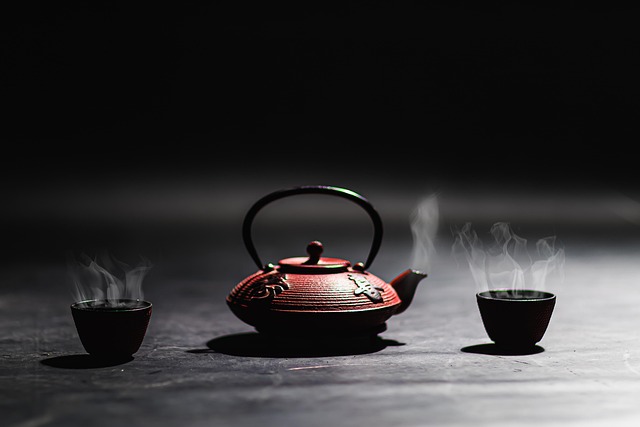
Understanding the Link between Green Tea and Blood Pressure
Green tea has long been recognized for its potential health benefits, including its ability to lower blood pressure. Numerous studies have explored the link between green tea consumption and its impact on blood pressure levels. The findings indicate that green tea contains active compounds that can help regulate blood pressure and promote overall cardiovascular health.
One of the main reasons why green tea is believed to have a positive effect on blood pressure is its high content of antioxidants. Antioxidants are substances that can help protect the cells in our body from damage caused by free radicals. Free radicals are unstable molecules that can contribute to various health problems, including high blood pressure. By consuming green tea regularly, individuals may benefit from the antioxidants present in the tea, which can help reduce blood pressure levels and minimize the risk of hypertension-related complications.
The Role of Antioxidants in Lowering Blood Pressure
Antioxidants play a crucial role in lowering blood pressure, as they help combat oxidative stress in the body. Oxidative stress occurs when there is an imbalance between free radicals and antioxidants, leading to cellular damage. By neutralizing these harmful free radicals, antioxidants can help reduce inflammation and improve blood vessel function.
Green tea contains a variety of antioxidants, such as catechins and flavonoids, which have been studied for their potential blood pressure-lowering effects. These antioxidants have been found to enhance nitric oxide production, a molecule that relaxes and widens blood vessels, thereby improving blood flow. Additionally, they may also inhibit the activity of angiotensin-converting enzyme (ACE), an enzyme that constricts blood vessels and raises blood pressure. By reducing the activity of ACE, green tea antioxidants can help lower blood pressure levels.
Exploring the Active Compounds in Green Tea and their Impact on Blood Pressure
Prior research has delved into the active compounds found in green tea and how they may impact blood pressure levels. One of the key components is catechins, a type of flavonoid with antioxidant properties. Catechins have been shown to promote relaxation of blood vessels, allowing for improved blood flow and potentially reducing blood pressure. Additionally, these compounds may help to reduce inflammation, another factor that can contribute to high blood pressure.
Another important compound in green tea is epigallocatechin gallate (EGCG), which is known for its potent antioxidant effects. EGCG has been studied for its potential to enhance blood vessel function and promote vasodilation. This compound may also have a positive effect on cholesterol levels, thus indirectly affecting blood pressure regulation. While more research is needed to fully understand the impact of these active compounds on blood pressure, initial findings suggest that green tea could be a promising addition to lifestyle interventions for hypertension management.

Research Findings: Green Tea’s Immediate Effects on Blood Pressure
Green tea has long been touted for its potential health benefits, including its ability to lower blood pressure. Numerous research studies have investigated the immediate effects of green tea on blood pressure levels. One such study conducted on a group of healthy individuals found that consuming green tea led to a significant reduction in both systolic and diastolic blood pressure within just a few hours. These findings suggest that green tea may possess acute blood pressure-lowering properties.
Another study compared the effects of consuming green tea and a placebo drink on blood pressure in individuals with hypertension. The results showed that those who consumed green tea experienced a notable decrease in blood pressure levels, while no significant changes were observed in the placebo group. These findings indicate that green tea may be particularly beneficial for individuals with high blood pressure, providing immediate relief and helping to regulate blood pressure levels. However, it is important to note that these effects may vary among individuals, and further research is needed to understand the precise mechanisms behind green tea’s immediate impact on blood pressure.
How to Incorporate Green Tea into Your Daily Routine for Blood Pressure Management
Green tea is a versatile and refreshing beverage that can easily be incorporated into your daily routine to help manage blood pressure. One simple way to enjoy green tea is to replace your morning coffee with a cup of freshly brewed green tea. You can also opt for green tea as an afternoon pick-me-up instead of sugary or caffeinated drinks. To enhance the flavor, you can add a squeeze of lemon or a teaspoon of honey. As green tea contains some caffeine, it is important to be mindful of your intake, especially if you are sensitive to it or have difficulty sleeping.
In addition to drinking green tea, you can also explore other ways to incorporate it into your daily routine. For example, you can use green tea as a base for smoothies or mix it into your favorite juice. Another option is to include it in your cooking by using green tea as a marinade for meat or a flavoring agent in sauces and dressings. Green tea can also be used to make ice cubes, which can be added to water or other beverages for a hint of flavor and added health benefits. Experiment with different recipes and find creative ways to enjoy green tea to maximize its potential in managing your blood pressure.
Green Tea vs. Medications: Is it a Viable Alternative for Managing Blood Pressure?
While medications are commonly prescribed for managing high blood pressure, there is increasing interest in exploring natural alternatives such as green tea. Many individuals are seeking alternative options to avoid potential side effects associated with long-term medication use. Green tea has gained attention for its potential health benefits, including its ability to lower blood pressure.
Several studies have investigated the effects of green tea on blood pressure. Research has shown that the active compounds in green tea, such as catechins and flavonoids, may help relax blood vessels and improve blood flow, ultimately leading to a lower blood pressure reading. However, it is important to note that while green tea shows promise as a viable alternative for managing blood pressure, it should not replace prescribed medications without consulting a healthcare professional. Further research is needed to fully understand the long-term effects and optimal dosage of green tea for blood pressure management.

The Importance of Consistency: Long-Term Consumption of Green Tea for Blood Pressure Regulation
Long-term consumption of green tea has been found to play a crucial role in regulating blood pressure levels. While many studies have focused on the immediate effects of green tea on blood pressure, research has begun to emphasize the importance of consistency in consumption for long-term benefits.
One reason for the significance of long-term green tea consumption is the gradual accumulation of antioxidants in the body. Green tea is known for its high levels of polyphenols, which are powerful antioxidants that help protect against oxidative stress. By consistently consuming green tea, individuals can ensure a steady supply of these antioxidants, which in turn helps to lower blood pressure. Additionally, the regular intake of green tea may have a positive impact on the endothelial function of blood vessels, further contributing to the regulation of blood pressure over time.
In summary, incorporating green tea into your daily routine and maintaining long-term consumption is crucial for effective blood pressure management. By consistently enjoying this flavorful beverage, individuals can harness the power of antioxidants and gain the maximum benefits for their cardiovascular health.
Other Health Benefits of Green Tea Beyond Blood Pressure Control
Green tea has long been revered for its potential health benefits, extending beyond its impact on blood pressure control. One of the most notable advantages of green tea is its potential for weight management. Research suggests that the catechins found in green tea can boost metabolism and increase fat oxidation, leading to a potential reduction in body weight and body mass index (BMI). Additionally, green tea has been associated with a decrease in appetite, making it an attractive option for those looking to maintain a healthy weight.
In addition to its potential weight management properties, green tea has shown promising effects on brain health. Specifically, the catechins and other bioactive compounds in green tea have been linked to improved cognitive function and a reduced risk of neurodegenerative diseases such as Alzheimer’s and Parkinson’s. Furthermore, green tea contains the amino acid L-theanine, which is believed to promote relaxation and enhance mental alertness, contributing to an overall sense of calm and well-being. These neuroprotective properties make green tea a valuable addition to a healthy lifestyle.
Tips for Choosing and Preparing Green Tea for Maximum Blood Pressure-Lowering Effect
When it comes to choosing green tea for maximum blood pressure-lowering effect, it is important to opt for high-quality tea leaves. Look for tea brands that source their leaves from reputable tea farms and ensure that the tea is organic and free from any additives or artificial flavors. Additionally, consider the type of green tea you prefer, whether it’s sencha, matcha, or another variety. Each type has its own unique flavor profile and potential health benefits.
In terms of preparation, steeping green tea correctly is key. Start by heating fresh, filtered water, but avoid bringing it to a rolling boil as this can negatively impact the delicate flavors and antioxidants in the tea. Instead, aim for a water temperature around 160-180°F (70-82°C). Depending on the specific instructions provided with your tea, steep the leaves for the recommended time, usually between 1-3 minutes. Experiment with different steeping times to find your preferred balance of taste and benefits. Finally, be mindful of the amount of green tea you consume daily. While it can be tempting to drink several cups, moderation is key to fully experiencing the potential blood pressure-lowering effects of green tea.
Is green tea effective in lowering blood pressure?
Yes, green tea has been shown to have a promising effect in lowering blood pressure.
How does green tea lower blood pressure?
Green tea contains antioxidants that help relax blood vessels and improve blood flow, thus lowering blood pressure.
What are the active compounds in green tea that impact blood pressure?
The active compounds in green tea, such as catechins and flavonoids, have been found to have a positive impact on blood pressure.
Are there any immediate effects of green tea on blood pressure?
Research has shown that green tea can have immediate effects on lowering blood pressure.
Can green tea be used as an alternative to medications for managing blood pressure?
While green tea can help in managing blood pressure, it is not a substitute for prescribed medications. It can be used as a complementary approach.
How long should green tea be consumed for blood pressure regulation?
Consistency is important. Long-term consumption of green tea is recommended for blood pressure regulation.
Besides blood pressure control, what other health benefits does green tea offer?
Green tea has been associated with various health benefits, including improved brain function, weight loss, and reduced risk of certain diseases.
How should green tea be chosen and prepared for maximum blood pressure-lowering effect?
It is recommended to choose high-quality green tea leaves and brew them properly to maximize the blood pressure-lowering effect.


