

Understanding the Benefits of Chamomile Tea
Chamomile tea, derived from the daisy-like flowers of the chamomile plant, is renowned for its soothing and calming properties. This ancient herbal remedy has been used for centuries to promote overall well-being and alleviate various health issues. One of the key benefits of chamomile tea is its ability to help improve sleep quality. Many people turn to chamomile tea as a natural sleep aid, seeking its gentle sedative effects and restorative benefits.
One of the main reasons why chamomile tea is touted for its sleep-enhancing benefits is its high content of a compound called apigenin. Apigenin is a type of flavonoid that binds to specific receptors in the brain, promoting relaxation and reducing anxiety. By binding to these receptors, apigenin helps to calm the central nervous system and induce sleepiness. This makes chamomile tea a popular choice for individuals who struggle with insomnia or difficulty falling asleep. Additionally, chamomile tea is caffeine-free, making it a suitable beverage to consume before bedtime, as it won’t interfere with the body’s natural sleep-wake cycle.
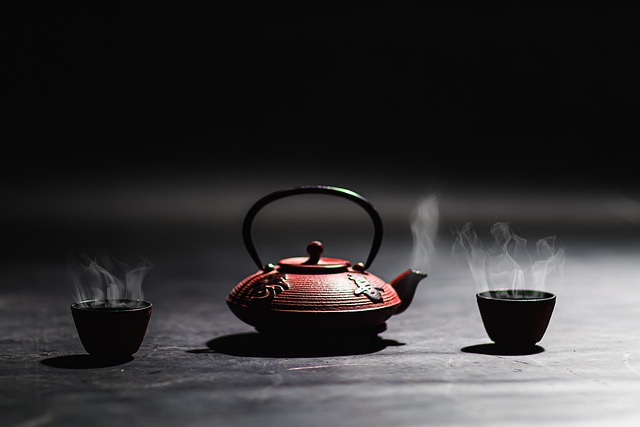
The History of Chamomile as a Sleep Aid
Chamomile has a long history as a sleep aid, dating back centuries to ancient civilizations. The soothing properties of chamomile were recognized by the Egyptians, who used it in tea form to promote relaxation and sleep. The Greeks and Romans also valued chamomile for its sleep-inducing effects, often brewing it into a warm beverage before bedtime.
In traditional medicine practices such as Ayurveda and Traditional Chinese Medicine, chamomile was considered a natural remedy for insomnia and restlessness. It was believed to calm the mind, relieve anxiety, and promote a deep and restful sleep. Over time, chamomile’s reputation as a sleep aid has spread to cultures around the world, making it a popular choice for those looking for a natural way to improve their sleep quality.
How Chamomile Tea Works to Promote Sleep
Chamomile tea is known for its calming properties, which can help promote a sense of relaxation and aid in sleep. The key component responsible for these effects is a compound called apigenin. Apigenin acts as a mild sedative, binding to specific receptors in the brain that help induce sleepiness and reduce anxiety. By engaging with these receptors, chamomile tea can help promote a more peaceful and restful night’s sleep.
In addition to its sedative properties, chamomile tea also contains compounds that have anti-inflammatory effects. This can be particularly beneficial for those who struggle with sleep disturbances related to inflammation, such as certain types of pain and discomfort. By reducing inflammation in the body, chamomile tea may help alleviate these symptoms and contribute to a more comfortable and uninterrupted sleep experience.
Scientific Evidence Supporting the Sleep-Inducing Effects of Chamomile Tea
Numerous studies have been conducted to explore the sleep-inducing effects of chamomile tea, providing scientific evidence to support its efficacy. One study published in the Journal of Clinical Psychopharmacology found that participants who consumed chamomile tea experienced improvements in subjective sleep quality. The study also observed a decrease in the time it took for participants to fall asleep and an increase in total sleep time.
In addition, another study published in the journal Phytomedicine investigated the effects of chamomile tea on sleep quality in elderly individuals. The results revealed that regular consumption of chamomile tea for a period of 28 days led to a significant improvement in sleep symptoms, such as reduced nighttime awakening and improved daytime functioning. These findings suggest that chamomile tea can be a beneficial natural remedy for those struggling with sleep-related issues.

Factors That May Influence the Effectiveness of Chamomile Tea as a Sleep Aid
Factors that may influence the effectiveness of chamomile tea as a sleep aid can vary from person to person. One important factor is the quality and potency of the chamomile tea being used. It is important to choose a high-quality brand that contains pure chamomile flowers and is free from any additives or fillers. The strength of the tea can also make a difference, with some individuals finding that a stronger brew works better for them.
Another factor to consider is the individual’s sensitivity to chamomile and its active compounds. While chamomile tea is generally considered safe for most people, some individuals may have an allergic reaction or experience side effects such as drowsiness or digestive disturbances. It is always recommended to start with a small amount and gradually increase the dosage if needed, while monitoring for any adverse effects. Additionally, individuals with specific medical conditions or those taking certain medications should consult with a healthcare professional before incorporating chamomile tea into their sleep routine.
Potential Side Effects and Precautions of Drinking Chamomile Tea for Sleep
While chamomile tea is generally considered safe for consumption, there are a few potential side effects and precautions to keep in mind. Some individuals may experience allergic reactions to chamomile, especially if they have a known allergy to plants in the daisy family, such as ragweed or chrysanthemums. Symptoms of an allergic reaction may include skin rashes, itching, swelling, and difficulty breathing. It is important to discontinue the use of chamomile tea if any adverse reactions occur and seek medical attention if necessary. Additionally, chamomile may interact with certain medications, such as blood thinners, sedatives, and anti-anxiety drugs. If you are taking any medications or have any underlying health conditions, it is advisable to consult with a healthcare professional before adding chamomile tea to your daily routine.
Furthermore, it is worth noting that chamomile tea may cause drowsiness, especially when consumed in large amounts or in combination with other sedative substances. While this drowsiness can be beneficial for promoting sleep, it is important to be cautious and avoid drinking chamomile tea before engaging in activities that require alertness, such as driving or operating heavy machinery. It is recommended to try chamomile tea for the first time in the evening to gauge its effects on your individual sleep patterns. If you experience excessive drowsiness or find it difficult to wake up in the morning after consuming chamomile tea, it may be necessary to adjust the dose or discontinue use altogether. As with any sleep aid, it is essential to listen to your body and prioritize your safety and well-being.
Different Ways to Prepare and Consume Chamomile Tea for Better Sleep
One of the easiest and most common ways to prepare chamomile tea is by using tea bags. Simply place a chamomile tea bag in a cup of boiling water and let it steep for about 5 minutes. You can add honey or lemon to enhance the flavor if desired. For a stronger brew, you can let the tea bag steep for a longer period of time.
For those who prefer a homemade approach, chamomile tea can also be made using dried chamomile flowers. To do this, start by boiling water in a pot and then add about 2 tablespoons of dried chamomile flowers per cup of water. Let the mixture simmer for about 10 minutes, then strain the flowers out and enjoy. This method allows you to control the strength of the tea by adjusting the amount of flowers used and the steeping time. Additionally, it allows you to experience the full aroma and freshness of the chamomile flowers.

Tips for Incorporating Chamomile Tea into Your Bedtime Routine
One of the most effective ways to integrate chamomile tea into your bedtime routine is by making it a part of your wind-down ritual. As you prepare for sleep, set aside a specific time each evening to brew a warm cup of chamomile tea. This act can help signal to your body that it’s time to relax and prepare for rest.
To enhance the soothing effects of chamomile tea, consider creating a calm and cozy environment in your bedroom. Dim the lights, play soft music, and maybe even light some scented candles. Find a comfortable spot to sit or lie down, and slowly sip your chamomile tea at a leisurely pace. Let the warmth of the tea and the calming aroma of chamomile envelop you, as you give your body the opportunity to unwind and release any tension from the day.
Other Natural Remedies That Can Enhance the Sleep-Promoting Effects of Chamomile Tea
There are several other natural remedies that can complement and enhance the sleep-promoting effects of chamomile tea. One such remedy is lavender, which is widely known for its calming and relaxing properties. Adding a few drops of lavender essential oil to your chamomile tea can create a soothing and aromatic blend that aids in achieving a restful sleep. Lavender can also be used in a sachet or as a pillow spray to create a calming atmosphere in your bedroom.
Another natural remedy that can be combined with chamomile tea is valerian root. Valerian is often used as a herbal supplement for sleep disorders due to its sedative properties. Adding a pinch of powdered valerian root to your chamomile tea can help promote relaxation and relieve anxiety, resulting in a more restful sleep. However, it’s important to note that valerian can cause drowsiness, so it’s best to consult with a healthcare professional before using it, especially if you’re taking any medications.
Personal Experiences and Success Stories: Does Chamomile Tea Really Help You Sleep?
Chamomile tea has gained a reputation for its potential sleep-inducing effects, and many individuals have shared their personal experiences and success stories regarding its use as a sleep aid. Numerous people have reported that drinking chamomile tea before bedtime helps to promote relaxation and improve sleep quality. They describe feeling calm and peaceful after sipping on a warm cup of chamomile tea, which ultimately allows them to drift off into a restful slumber.
Individuals who have incorporated chamomile tea into their bedtime routine often highlight its soothing properties. They claim that the tea’s mild sedative effects help them unwind after a long and stressful day, enabling them to achieve a more relaxed state before sleep. Many individuals also mentioned experiencing a reduction in the time it takes for them to fall asleep, as well as a decrease in the number of nighttime awakenings. While these personal experiences cannot be generalized to everyone, they provide a glimpse into the potential benefits of chamomile tea as a sleep aid.
What are the benefits of chamomile tea for sleep?
Chamomile tea has been traditionally used as a natural remedy to promote sleep. It is believed to have calming properties that can help relax the body and mind, making it easier to fall asleep and improve sleep quality.
What is the history of chamomile as a sleep aid?
Chamomile has been used for centuries as a sleep aid in various cultures around the world. It has a long history of being recognized for its calming and soothing effects, making it a popular choice for those struggling with sleep issues.
How does chamomile tea work to promote sleep?
Chamomile tea contains compounds that bind to certain receptors in the brain, which can help reduce anxiety and promote relaxation. It also has anti-inflammatory properties that can help alleviate discomfort and promote a more restful sleep.
Is there scientific evidence supporting the sleep-inducing effects of chamomile tea?
While there is limited scientific research on chamomile tea specifically, some studies have shown that chamomile extracts can help improve sleep quality and reduce insomnia symptoms. However, more research is needed to fully understand its effectiveness.
Are there factors that may influence the effectiveness of chamomile tea as a sleep aid?
Yes, individual factors such as age, metabolism, overall health, and sensitivity to chamomile may affect its effectiveness. Additionally, the quality and preparation of the tea may also play a role in its sleep-inducing effects.
What are the potential side effects and precautions of drinking chamomile tea for sleep?
Chamomile tea is generally considered safe for most people, but some individuals may experience allergic reactions or interactions with certain medications. It is advisable to consult with a healthcare professional before incorporating chamomile tea into your routine, especially if you have any specific health concerns or are taking medication.
How can chamomile tea be prepared and consumed for better sleep?
Chamomile tea can be prepared by steeping dried chamomile flowers in hot water for about 5-10 minutes. It can be consumed either hot or cold, with or without sweeteners. It is recommended to drink it around 30 minutes to an hour before bedtime for optimal sleep-promoting effects.
What are some tips for incorporating chamomile tea into your bedtime routine?
You can make chamomile tea a part of your bedtime routine by allocating a specific time for brewing and drinking it. Creating a calming environment, such as dimming the lights and engaging in relaxing activities like reading, can enhance its sleep-inducing effects.
Are there other natural remedies that can enhance the sleep-promoting effects of chamomile tea?
Yes, combining chamomile tea with other natural remedies such as lavender essential oil, a warm bath, or a comfortable sleep environment can further enhance its sleep-promoting effects. However, it is important to find the right combination that works best for you.
What do personal experiences and success stories say about the effectiveness of chamomile tea for sleep?
Personal experiences and success stories vary, with some individuals reporting improved sleep quality and easier falling asleep after consuming chamomile tea. However, it is important to note that individual results may vary, and further scientific research is needed to validate these anecdotal claims.


