
Benefits of Ginger Tea
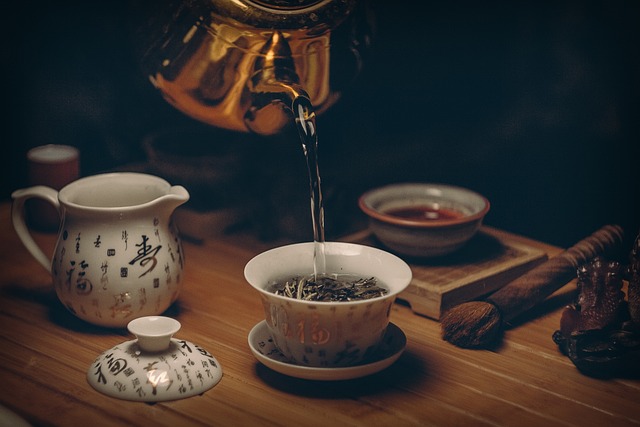
Ginger tea offers a multitude of health benefits. Firstly, it is known for its ability to aid digestion and soothe an upset stomach. The active compounds in ginger help to reduce inflammation in the gastrointestinal tract, easing symptoms such as bloating and nausea. Additionally, ginger tea has been found to alleviate menstrual cramps and reduce the severity of headaches. Its anti-inflammatory properties help to reduce pain and discomfort, providing much-needed relief. Furthermore, ginger tea is a natural immune-booster, as it contains antioxidants that help to strengthen the body’s defenses against infections and illnesses.
In addition to its therapeutic effects, ginger tea is also a refreshing and versatile beverage. It can be enjoyed hot or cold, making it suitable for any season. Its invigorating aroma and warm, spicy flavor make it a delightful alternative to traditional teas and coffee. Whether you prefer it plain or with a touch of honey and lemon, ginger tea offers a satisfying and comforting experience. So, why not incorporate this flavorful beverage into your daily routine and enjoy the many benefits it has to offer?
Choosing the Right Ginger
When it comes to choosing the right ginger for your tea, freshness is key. Look for ginger roots that are firm and plump with smooth skin. Avoid any roots that feel soft or have wrinkled skin, as these are indications of older ginger that may not have as much flavor.
Another aspect to consider is the aroma. The ginger should have a strong, pungent scent, which is a sign of its potency. You can also give the ginger a gentle squeeze; it should feel solid and not mushy. Additionally, if possible, opt for organic ginger to ensure that you are getting a high-quality and natural product.
Preparing Ginger for Tea
Ginger, a popular spice known for its health benefits, can be prepared in various ways to make a delicious cup of tea. To begin, select fresh ginger root from the grocery store or your local farmer’s market. Look for ginger that is firm and has smooth skin with no visible signs of mold or decay.
Once you have your ginger, start by peeling off the skin using a vegetable peeler or a sharp knife. This step is optional, as some people prefer to leave the skin on for added flavor. Next, thinly slice or grate the ginger into small pieces. The size of the ginger slices or grate will depend on your personal preference. Keep in mind that smaller pieces will release more flavor into the tea. Now that your ginger is prepared, you are ready to move on to the next step of making the perfect cup of ginger tea.
Selecting the Perfect Tea Leaves
When it comes to selecting the perfect tea leaves for making ginger tea, there are a few factors to consider. Firstly, it is important to choose high-quality tea leaves that are fresh and have a strong aroma. Look for tea leaves that are whole, as opposed to broken or ground, as this indicates better quality. Additionally, consider the type of tea you prefer – whether it’s black, green, or herbal – and select tea leaves accordingly. Different types of tea have distinct flavors and characteristics, so choose the one that aligns with your personal taste. Lastly, check for any additional ingredients or flavors in the tea leaves, such as citrus or floral notes, to ensure a well-rounded and satisfying cup of ginger tea.
When selecting tea leaves for ginger tea, it is also worth exploring blends that are specifically designed to complement the flavor of ginger. These blends often combine various types of tea leaves with spices or herbs that enhance the overall taste. For example, a blend of black tea with ginger and cinnamon can provide a warm and invigorating flavor profile. Similarly, a green tea with ginger and lemongrass can offer a refreshing and citrusy twist. Experiment with different blends to find the one that suits your palate and creates the perfect balance with the ginger flavor. Remember, the quality and choice of tea leaves can greatly impact the taste and enjoyment of your ginger tea experience.
Boiling Water for Ginger Tea
When it comes to making ginger tea, one of the crucial steps is boiling water. Boiling water is essential to extract the flavors and therapeutic properties of ginger, ensuring a delicious and satisfying cup of tea. It is recommended to use filtered water for the best taste and to avoid any impurities. Fill your kettle or pot with a sufficient amount of water, depending on how many cups of ginger tea you plan to make.
Once the water is in the kettle or pot, place it on the stovetop and turn the heat to high. Allow the water to come to a rolling boil. It is important to let the water reach its boiling point as this helps to release the natural oils and compounds in ginger. You can check if the water is boiling by looking for the rapid bubbles and the steam rising from the pot. Avoid lifting the lid too often as it may cause the water to take longer to reach a boil. Once the water is boiling, you are ready to move on to the next step of adding ginger to the boiling water.
Adding Ginger to Boiling Water
Once the water has reached a rolling boil, it’s time to add the ginger to infuse the flavors. Carefully drop the sliced or grated ginger into the boiling water, ensuring it is fully submerged. The heat of the boiling water will start to release the aromatic compounds and natural oils in the ginger, resulting in a warm, invigorating aroma that fills the kitchen.
Allow the ginger to simmer in the boiling water for at least 10 minutes. This will give enough time for the flavors to fully meld together, creating a rich and robust brew. Remember, the longer you let the ginger steep, the stronger the flavor will be. If you prefer a more subtle taste, you can remove the ginger slices or grated pieces earlier. Once the desired steeping time is reached, it’s time to strain the ginger tea and prepare it for consumption.
Steeping Ginger Tea
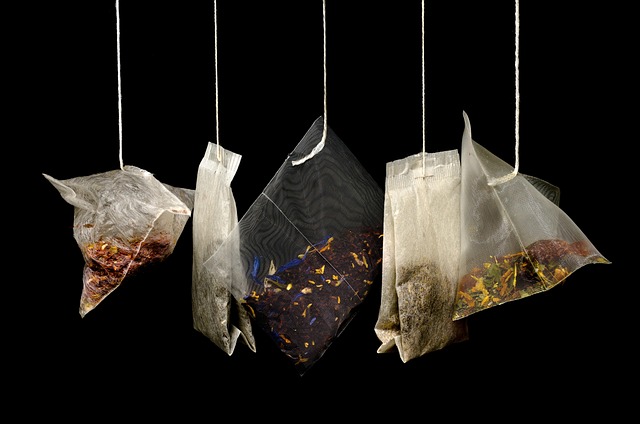
Ginger tea is not only delicious but also offers various health benefits. Steeping ginger in hot water helps extract the natural compounds and flavors, resulting in a potent and aromatic brew. To steep ginger tea, start by preparing the ginger root or using pre-packaged ginger tea bags.
If using fresh ginger, peel the skin and slice it into thin pieces for maximum flavor release. For convenience, ginger tea bags are available in most grocery stores and provide a quick and easy way to make a cup of ginger tea. Once you have the ginger ready, bring water to a boil in a kettle or saucepan. The ideal ratio for ginger tea is one tablespoon of fresh ginger slices or one tea bag per cup of water.
Sweetening Ginger Tea
One of the most enjoyable aspects of drinking ginger tea is the ability to add sweetness to enhance its flavor. Sweetening ginger tea provides a delightful balance to the inherent spiciness of the ginger, creating a delicious and soothing beverage. There are various options for sweetening ginger tea, allowing you to personalize your cup of tea according to your taste preferences.
One common way to sweeten ginger tea is by adding a natural sweetener like honey or maple syrup. These options not only bring a touch of sweetness but also contribute their own unique flavors to the tea. If you prefer a healthier alternative, stevia or agave syrup can be used as a sugar substitute. It is recommended to start with a small amount of sweetener and adjust according to your desired taste. By sweetening ginger tea, you can create a delightful and comforting beverage that can be enjoyed at any time of the day.
Enhancing the Flavor of Ginger Tea
To further enhance the flavor of ginger tea, you can experiment with various add-ins and spices. One popular option is to add a slice of fresh lemon or a squeeze of lemon juice. The tangy citrus flavor complements the warmth of the ginger, resulting in a delightful blend of flavors. Another option is to add a bit of honey to sweeten the tea and enhance the natural sweetness of the ginger. The slight floral notes of honey can bring a unique depth to the overall taste profile of the tea. Additionally, you may consider adding a pinch of cinnamon or a few crushed cardamom pods to infuse the tea with subtle hints of spice and warmth. These simple enhancements can take your ginger tea to the next level, transforming it into a versatile and aromatic beverage that is perfect for any time of the day.
Enjoying a Cup of Ginger Tea
Once your ginger tea has steeped to perfection, it is time to sit back, relax, and enjoy a cup full of its flavorful goodness. The warmth from the tea will ooze through your fingers as you hold the mug, providing a comforting sensation. As you take your first sip, you will feel the invigorating properties of ginger unfold on your palate. The unique combination of spiciness and subtle sweetness will dance on your taste buds, leaving a lingering warmth in your mouth. Whether you choose to savor the tea on its own or pair it with a delicious treat, the experience of enjoying a cup of ginger tea is truly delightful.
As you indulge in each sip of ginger tea, take a moment to appreciate the numerous benefits it offers. The soothing properties of ginger can relieve minor ailments like indigestion or nausea, leaving you feeling refreshed and rejuvenated. Its anti-inflammatory properties can help alleviate pain and discomfort, making it an ideal choice for those suffering from sore muscles or joint inflammation. Additionally, ginger tea can provide a boost to your immune system, supporting your body’s natural defense mechanisms. With every sip, you are not only treating your taste buds but also nourishing your body.
What are the benefits of drinking ginger tea?
Ginger tea offers numerous benefits, including aiding digestion, reducing inflammation, boosting the immune system, and relieving nausea and menstrual cramps.
How do I choose the right ginger for making tea?
Look for firm, plump ginger roots with smooth skin. Avoid any that are wrinkled or have soft spots. Fresh ginger with a strong aroma is usually the best choice.
How should I prepare ginger for tea?
Start by peeling the ginger root with a vegetable peeler or the edge of a spoon. Then, slice or grate the ginger based on your preference. The smaller the pieces, the stronger the ginger flavor in your tea.
What type of tea leaves should I use with ginger?
You can use your favorite tea leaves with ginger. Popular options include black tea, green tea, white tea, or herbal teas like chamomile or peppermint.
How do I boil water for ginger tea?
Fill a kettle with fresh cold water and bring it to a rolling boil. Alternatively, you can heat water in a pot on the stovetop until it reaches a vigorous boil.
When should I add ginger to boiling water?
Once the water has come to a boil, add the sliced or grated ginger directly into the pot or kettle. Allow the ginger to infuse the boiling water for a few minutes.
How long should I steep ginger tea?
Let the ginger steep in the hot water for about 5-10 minutes, depending on how strong you want the flavor to be. Adjust the steeping time to your personal preference.
How can I sweeten ginger tea?
You can add honey, sugar, or a natural sweetener like stevia to sweeten your ginger tea. Adjust the sweetness to your taste by adding the sweetener while the tea is still hot.
Are there any other ways to enhance the flavor of ginger tea?
Yes, you can add a squeeze of lemon or a dash of cinnamon to enhance the flavor of your ginger tea. Experiment with different spices or herbs to find your preferred combination.
How do I fully enjoy a cup of ginger tea?
Find a cozy spot, grab your favorite mug, and take a moment to savor the aroma and taste of your ginger tea. Whether you enjoy it hot or iced, sip it slowly and relax.


